intermediate

Urban-rural — 5-topic bundle

Comprehensive AI-generated study curriculum with 5 detailed note modules.

0 students cloned 2 views 5 notes

Course Syllabus

  1. Understanding Urbanization: Causes and Dynamics
  2. Rural-Urban Migration: Push Factors Deep Dive
  3. Rural-Urban Migration: Pull Factors Deep Dive
  4. Informal Housing: Characteristics and Formation
  5. Informal Housing: Challenges and Socio-Economic Impacts
Study Notes

Understanding Urbanization: Causes and Dynamics

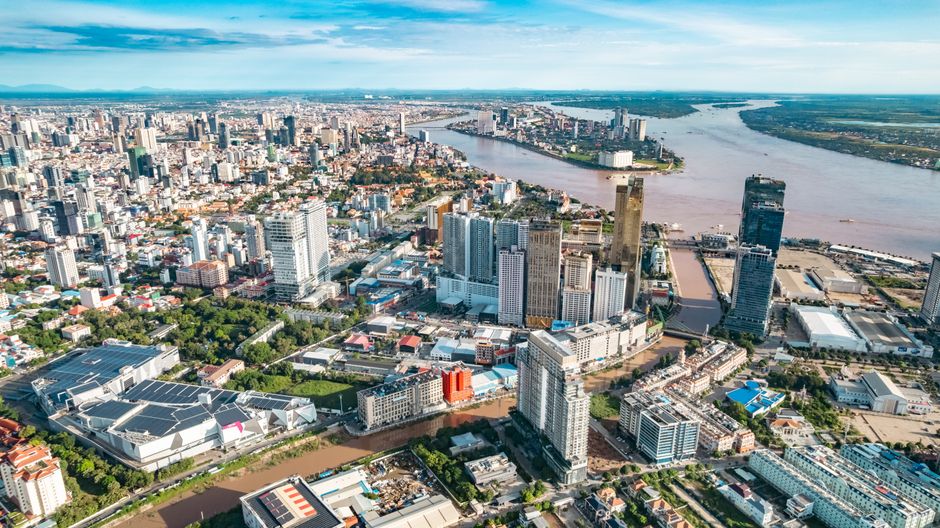
Urbanization isn't just about more people living in cities; it's about the transformation of an entire society. This shift has been happening for centuries but accelerated dramatically after the Industrial Revolution. Today, more than half the world's population lives in urban areas, a trend set to continue.

Read full note →

Informal Housing: Characteristics and Formation

Informal housing refers to settlements or dwellings that haven't been planned, developed, or legally recognized by the authorities. They often lack official titles, basic infrastructure, and are built incrementally by residents. It's important to understand this isn't just about poverty; it's about a mismatch between urban growth and formal housing supply.

Read full note →

Rural-Urban Migration: Push Factors Deep Dive

When we talk about push factors in rural-urban migration, we're focusing on the difficulties and disadvantages of rural areas that motivate people to move to urban centers. These aren't about the "pull" of the city; they're about the "shove" from the countryside.

Read full note →

Informal Housing: Challenges and Socio-Economic Impacts

Informal housing refers to settlements, neighborhoods, or dwellings built or occupied without legal recognition, official planning, or adherence to building codes. They often lack basic infrastructure and services. You'll hear terms like slums, shantytowns, favelas, or bidonvilles, all describing variations of this phenomenon.

Read full note →