Prokaryotic Cell Structure
From the Biology curriculum
TL;DR
Prokaryotic cells are simple, single-celled organisms that lack a true nucleus and other membrane-bound organelles. They have essential structures like a cell wall, cell membrane, cytoplasm, and ribosomes, plus a nucleoid region for their genetic material. These structures enable them to survive and reproduce in diverse environments.
1. The Mental Model
Think of a prokaryotic cell as a tiny, self-contained bag of essentials. It has everything it needs to live, but without any fancy internal compartments or a central control room.
2. The Core Material
Prokaryotic cells are the oldest and simplest forms of life on Earth, including bacteria and archaea. Despite their simplicity, they're incredibly diverse and successful. Let's break down their key structures:
Cell Wall
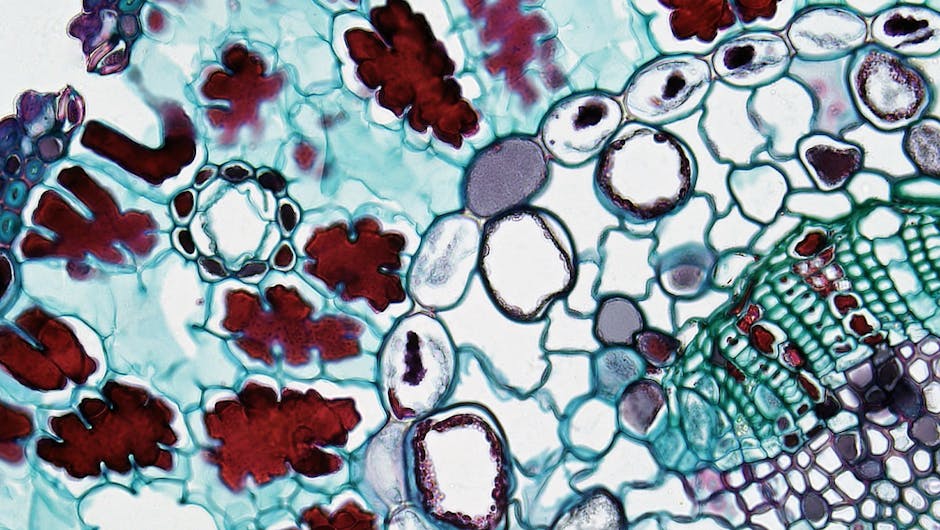
Photo by Fayette Reynolds M.S. on Pexels
Most prokaryotes have a cell wall outside the cell membrane. It provides structural support and protection from osmotic lysis (bursting due to water intake). In bacteria, the cell wall is primarily made of peptidoglycan, a unique polymer of sugars and amino acids. This is a crucial target for many antibiotics.
Cell Membrane (Plasma Membrane)

Photo by Monstera Production on Pexels
Just inside the cell wall (or as the outermost layer if no wall), the cell membrane is a selective barrier made of a phospholipid bilayer. It controls what enters and leaves the cell, plays a role in energy production (like the inner mitochondrial membrane in eukaryotes), and senses the environment.
Cytoplasm
The cytoplasm is the jelly-like substance that fills the cell, enclosed by the cell membrane. It's where most metabolic reactions occur. It contains water, ions, nutrients, proteins, and other molecules.
Nucleoid Region
Prokaryotes don't have a nucleus. Instead, their genetic material (usually a single, circular chromosome of DNA) is concentrated in a region called the nucleoid. There's no membrane separating it from the rest of the cytoplasm.
Ribosomes
These are tiny organelles responsible for protein synthesis (translation). Prokaryotic ribosomes are smaller than eukaryotic ribosomes (70S vs. 80S), which is another target for specific antibiotics. They float freely in the cytoplasm.
Flagella and Pili/Fimbriae (Accessory Structures)
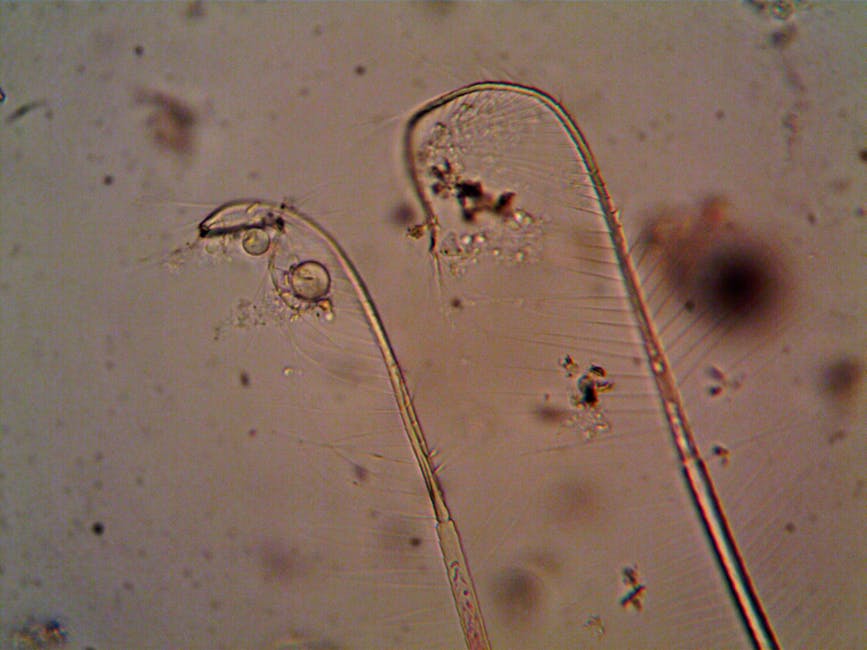
Photo by turek on Pexels
- Flagella: Long, whip-like appendages used for motility (movement). They spin like propellers. Not all prokaryotes have them.
- Pili (or Fimbriae): Shorter, hair-like structures involved in attachment to surfaces (fimbriae) or in genetic exchange (conjugation pili).
Capsule/Slime Layer (Glycocalyx)
Some prokaryotes have an outer layer of polysaccharides called a capsule (if well-organized and tightly attached) or a slime layer (if loose and diffused). This glycocalyx helps with adhesion, prevents dehydration, and can protect the cell from the host's immune system.
Plasmids
In addition to the main chromosome, many prokaryotes contain small, circular pieces of DNA called plasmids. These carry non-essential but often beneficial genes, such as antibiotic resistance or genes for toxin production, and can be transferred between cells.
Here's a diagram showing the relationships between these structures:
graph TD
    A["Prokaryotic Cell"] --> B["Cell Wall (Peptidoglycan)"]
    B --> C["Cell Membrane"]
    C --> D["Cytoplasm"]
    D --> E["Nucleoid Region (Chromosome)"]
    D --> F["Ribosomes"]
    D --> G["Plasmids"]
    A --> H["Capsule/Slime Layer (Glycocalyx)"]
    A --> I["Flagellum (for movement)"]
    A --> J["Pili/Fimbriae (for attachment/conjugation)"]
3. Worked Example
Imagine a common bacterium like Escherichia coli (E. coli), which lives in your gut.
1. Outer protection: It has a cell wall (made of peptidoglycan) that maintains its rod shape and prevents it from bursting. Outside this, it might have a capsule helping it stick to intestinal walls and evade your immune system.
2. Boundary control: Inside the cell wall is the cell membrane, regulating nutrient uptake and waste expulsion.
3. Cellular factory: The internal cytoplasm is packed with enzymes for metabolism. Floating within it are thousands of ribosomes, constantly making proteins.
4. Genetic blueprint: Its main, circular DNA chromosome is coiled up in the nucleoid region. It might also have a small plasmid carrying a gene that makes it resistant to a specific antibiotic, a trait it could potentially share with other bacteria.
5. Movement: If it's a motile strain, it'll have one or more flagella allowing it to swim through its environment.
4. Key Takeaways
- Prokaryotic cells lack a membrane-bound nucleus; their DNA is in a nucleoid region.
- They do not have membrane-bound organelles like mitochondria or endoplasmic reticulum.
- The cell wall, often made of peptidoglycan, provides structural support and protection.
- The cell membrane controls cell entry/exit and facilitates energy processes.
- Ribosomes, though smaller (70S), are crucial for protein synthesis.
- Plasmids are extra-chromosomal DNA often carrying beneficial genes like antibiotic resistance.
- Accessory structures like flagella (movement) and pili (attachment, gene exchange) are common but not always present.
Common mistakes to avoid:
- Confusing the nucleoid region with a true nucleus; remember, no membrane!
- Thinking that prokaryotes have no organelles; they do have ribosomes.
- Forgetting the importance of the cell wall for structural integrity and as an antibiotic target.
- Assuming all prokaryotes have flagella or capsules; these are optional structures.
5. Now Try It
Draw a simple diagram of a generic prokaryotic cell. Label at least eight different structures discussed in the notes, including the cell wall, cell membrane, cytoplasm, nucleoid, ribosomes, and three accessory structures (e.g., flagellum, pilus, capsule). Briefly describe the primary function of each labeled structure in 1-2 sentences. What does success look like? You'll have a clear, labeled diagram with accurate functional descriptions for each part, reinforcing your understanding of prokaryotic cell anatomy.
Try it yourself: Animal and plant cells in 3D
Frequently asked about Prokaryotic Cell Structure
More from Biology
Get the full Biology curriculum
Clone the complete plan to your dashboard for unlimited AI-generated notes, practice quizzes, and a personalised revision schedule.
Save this course free