Construction Project Control, Safety, and Entrepreneurship
From the surveying-ii, surveying-ii practice and plotting, material testing laboratory, construction management and entrepreneurship curriculum
TL;DR
Construction project control keeps projects on track by monitoring progress, cost, and quality against plans. Safety ensures a hazard-free work environment, protecting workers and avoiding delays or legal issues. Entrepreneurship in construction involves identifying opportunities, taking calculated risks, and innovating to create successful businesses.
1. The Mental Model
Think of managing a construction project like steering a ship: project control is your navigation system, safety is your life raft and emergency procedures, and entrepreneurship is about deciding where to sail and how to build a better ship.
2. The Core Material
Construction projects are complex, with many moving parts. Effectively managing them requires a strong grasp of project control, a commitment to safety, and an understanding of the entrepreneurial mindset that drives innovation in the industry.
2.1 Construction Project Control
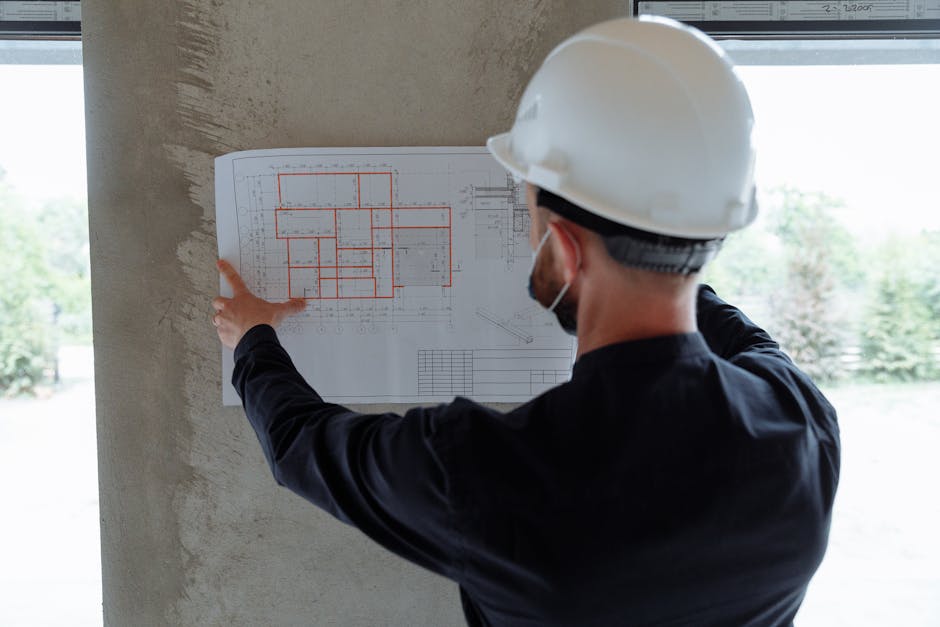
Photo by Thirdman on Pexels
Project control is the process of keeping a construction project on schedule and within budget, while ensuring quality standards are met. It involves:
- Planning: Defining project scope, setting objectives, and creating a detailed schedule and budget.
- Monitoring: Regularly tracking actual progress, costs, and quality against the plan. This includes site inspections, progress reports, and financial reviews.
- Analyzing: Identifying variances (deviations from the plan) and their causes.
- Forecasting: Predicting future project performance based on current trends.
- Corrective Actions: Implementing strategies to bring the project back on track when variances occur. This might involve adjusting resources, modifying the schedule, or re-evaluating design elements.
Effective project control relies on good communication and timely data. Tools like Gantt charts, earned value management (EVM), and construction management software are crucial here.
2.2 Construction Project Safety

Photo by CONSTRUCCIÓN TOTAL on Pexels
Safety is paramount in construction. A strong safety culture protects workers, minimizes project delays, reduces costs associated with accidents, and avoids legal liabilities. Key aspects include:
- Hazard Identification: Recognizing potential dangers on site (e.g., falls from height, electrical hazards, excavation collapses, machinery risks).
- Risk Assessment: Evaluating the likelihood and severity of harm from identified hazards.
- Safety Planning: Developing a comprehensive safety plan specific to the project, including emergency procedures, first aid, and site-specific rules.
- Training and Education: Ensuring all workers are properly trained on safety protocols, equipment operation, and emergency responses.
- Personal Protective Equipment (PPE): Mandating and providing appropriate PPE (hard hats, safety glasses, high-vis vests, steel-toe boots, gloves, etc.).
- Site Inspections and Audits: Regular checks to ensure compliance with safety regulations and identify new hazards.
- Accident Investigation: Thoroughly investigating any incidents to prevent recurrence.
Government regulations (like OSHA in the US, or local equivalents) set minimum safety standards that must be adhered to.
Here’s a simplified flow for managing safety on a construction site:
graph TD
    A["Start Project"] --> B["Identify Potential Hazards"]
    B --> C{"Assess Risks: Likelihood & Severity"};
    C --> D{"Can Risk Be Eliminated?"};
    D -- Yes --> F["Implement Elimination/Substitution Controls"];
    D -- No --> E["Implement Engineering Controls (e.g., guardrails)"];
    E --> G["Implement Administrative Controls (e.g., safe work procedures)"];
    G --> H["Provide Personal Protective Equipment (PPE)"];
    H --> I["Train Workers & Monitor Compliance"];
    I --> J["Regular Site Safety Inspections"];
    J --> K{"Incident Occurs?"};
    K -- Yes --> L["Investigate Incident"];
    L --> B;
    K -- No --> A;
2.3 Entrepreneurship in Construction
Photo by Mike van Schoonderwalt on Pexels
Entrepreneurship in construction isn't just about starting a construction company; it's about an innovative mindset within the industry. It involves:
- Opportunity Recognition: Identifying gaps in the market, unmet client needs, or new technologies that can improve construction processes or outcomes.
- Innovation: Developing new methods, materials, or business models (e.g., modular construction, sustainable building practices, advanced data analytics for project management).
- Risk-Taking: Making calculated decisions with uncertain outcomes, understanding that failure can be a learning opportunity.
- Resource Mobilization: Gathering the necessary capital, labor, equipment, and expertise to execute an idea.
- Vision and Leadership: Having a clear long-term vision and inspiring a team to achieve it.
Successful construction entrepreneurs often differentiate themselves through specialization, efficiency, or unique client solutions.
3. Worked Example
Imagine you're managing a small residential building project with a planned duration of 10 weeks and a budget of ₹2,000,000.
Project Control:
At the end of week 5, your planned progress was 50% complete (meaning ₹1,000,000 worth of work should have been done). However, after reviewing contractor invoices and site reports, you find only 40% of the work is actually complete, and you've already spent ₹1,100,000.
- Variance: You're 10% behind schedule (40% actual vs. 50% planned) and ₹100,000 over budget for the work actually accomplished.
- Analysis: After investigating, you discover delays due to material delivery issues and an unforeseen foundation problem that required extra labor and materials.
- Corrective Action: You might decide to increase the labor force for the next two weeks to catch up on the schedule, negotiate with a new supplier for faster material delivery, and re-estimate the remaining budget with a contingency for similar unforeseen issues. You'd then monitor these changes closely.
Safety:
During a site inspection, you notice a worker on the third floor installing windows without a safety harness, despite a guardrail being in place. The guardrail meets standard, but the worker is leaning over it.
- Hazard: Fall from height.
- Risk: High probability of serious injury or fatality if they lose balance.
- Action: Immediately stop the worker and instruct them on proper harness usage (even with a guardrail, for tasks involving leaning out). Reiterate the importance of using all provided PPE and following safe work procedures. You'd also schedule a quick toolbox talk for the entire crew on fall protection, emphasizing that guardrails are a primary control but harnesses provide secondary protection for specific tasks.
4. Key Takeaways
- Project control uses planning, monitoring, and corrective actions to keep construction projects on time and budget.
- Regular progress tracking and financial reviews are crucial for identifying project variances early.
- Construction safety protects workers, prevents delays, and reduces costs and legal risks.
- Proactive hazard identification, risk assessment, and proper PPE are fundamental to site safety.
- Entrepreneurship in construction involves recognizing market opportunities and innovating solutions.
- Entrepreneurs must be willing to take calculated risks and effectively mobilize resources.
- A strong safety culture requires continuous training, regular inspections, and adherence to regulations.
5. Now Try It
You're managing a road construction project. Your schedule shows that 30% of the work should be completed by the end of week 4, with an estimated expenditure of ₹5,000,000. At the end of week 4, you find that only 25% of the work is complete, and you've spent ₹5,500,000. Also, a trench has been dug, but there are no shoring systems or warning signs around it.
For this scenario, write down:
1. Your project control analysis (what's the variance, and what might be the immediate cause?).
2. Your safety concerns and the immediate corrective actions you'd take.
Success means you've identified both cost/schedule deviations and clear safety hazards, along with practical steps to address them.
Frequently asked about Construction Project Control, Safety, and Entrepreneurship
Study this next
Get the full surveying-ii, surveying-ii practice and plotting, material testing laboratory, construction management and entrepreneurship curriculum
Clone the complete plan to your dashboard for unlimited AI-generated notes, practice quizzes, and a personalised revision schedule.
Save this course free