Entrepreneurship and Business Development
From the surveying-ii, surveying-ii practice and plotting, material testing laboratory, construction management and entrepreneurship curriculum
TL;DR
Entrepreneurship is about creating new ventures by identifying opportunities and taking calculated risks. Business development focuses on strategic growth by building partnerships and expanding markets. Together, they drive innovation and sustain organizational success in dynamic environments.
1. The Mental Model
Think of entrepreneurship as planting a new seed and nurturing it into a sapling. Business development is then about making sure that sapling grows into a strong tree with many branches, reaching new places and forming healthy relationships with other plants.
2. The Core Material
Entrepreneurship isn't just about starting a business; it's a mindset that involves spotting unmet needs or problems and then creating solutions. It requires innovation, risk-taking, and the ability to manage resources effectively.
What is Entrepreneurship?

Photo by Ann H on Pexels
Entrepreneurship is the process of designing, launching, and running a new business, which is often initially a small business, offering a product, process, or service for sale. It involves significant risks, but also offers the potential for substantial rewards. Key aspects include:
* Opportunity Recognition: Identifying gaps in the market or problems that need solving.
* Innovation: Developing new ideas, products, or services, or improving existing ones.
* Risk-Taking: Committing resources without guarantee of success.
* Resource Mobilization: Gathering the necessary capital, labor, and technology.
What is Business Development?

Photo by cottonbro studio on Pexels
Business development (BizDev) is the creation of long-term value for an organization from customers, markets, and relationships. It's not just about sales; it's a strategic function that involves:
* Strategic Partnerships: Forming alliances with other companies to achieve mutual goals.
* Market Expansion: Identifying new markets or customer segments for existing products/services.
* Sales & Marketing Alignment: Ensuring that business development efforts support sales and marketing strategies.
* Product/Service Enhancement: Providing feedback for improving offerings based on market needs.
Here's how they relate:
graph TD
    A["Identify Opportunity/Problem"] --> B["Develop Innovative Solution (Product/Service)"]
    B --> C["Secure Resources (Capital, Team, Tech)"]
    C --> D["Launch New Venture (Entrepreneurship)"]
    D --> E["Seek New Markets/Customers"]
    D --> F["Form Strategic Alliances/Partnerships"]
    E --> G["Long-Term Value Creation"]
    F --> G
    G --> H["Sustainable Growth (Business Development)"]
The Entrepreneurial Process
Photo by Tima Miroshnichenko on Pexels
Typically, the entrepreneurial journey involves several stages:
1. Idea Generation: Brainstorming potential solutions to identified problems.
2. Feasibility Study: Assessing the viability of the idea, including market demand, technical feasibility, and financial potential.
3. Business Plan Development: Creating a detailed roadmap outlining goals, strategies, and financial projections.
4. Funding: Securing capital from investors, loans, or self-funding.
5. Launch: Bringing the product/service to market.
6. Growth & Management: Scaling operations and adapting to market feedback.
Business Development Strategies
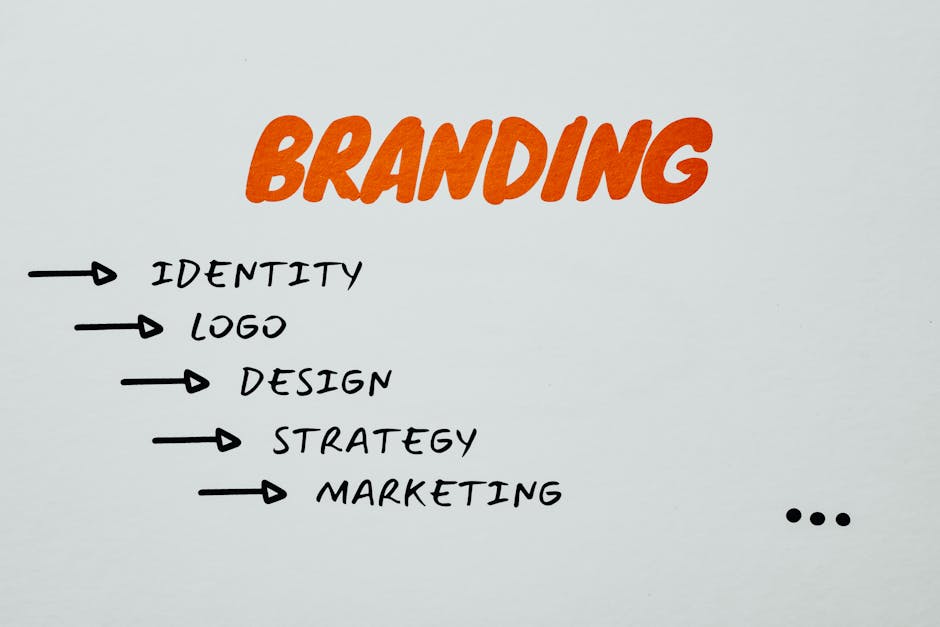
Photo by Eva Bronzini on Pexels
Effective business development involves a mix of strategies:
* Networking: Building relationships with potential clients, partners, and industry influencers.
* Market Research: Understanding market trends, competitor activities, and customer needs.
* Lead Generation: Identifying and nurturing potential sales leads.
* Negotiation: Structuring and closing deals with partners or large clients.
* Relationship Management: Maintaining strong, long-term relationships with key stakeholders.
3. Worked Example
Imagine you're a civil engineering graduate who notices a persistent problem in local construction projects: poor quality control in concrete mixes leading to structural issues.
Entrepreneurship:
1. Opportunity: You see the problem of inconsistent concrete quality.
2. Solution: You develop an idea for a portable, AI-driven concrete testing device that provides real-time quality analysis on-site, a significant improvement over traditional lab tests.
3. Business Plan: You draft a plan outlining the technology, target market (small to medium contractors), funding needs (
Frequently asked about Entrepreneurship and Business Development
Study this next
Get the full surveying-ii, surveying-ii practice and plotting, material testing laboratory, construction management and entrepreneurship curriculum
Clone the complete plan to your dashboard for unlimited AI-generated notes, practice quizzes, and a personalised revision schedule.
Create Free Account