Construction Management Principles and Planning
From the surveying-ii, surveying-ii practice and plotting, material testing laboratory, construction management and entrepreneurship curriculum
TL;DR
Construction management involves overseeing all aspects of a building project, from start to finish, to ensure it's completed on time, within budget, and to quality standards. Effective planning is the backbone of successful construction, involving detailed foresight and strategic organization of resources and tasks. Understanding these principles helps you deliver projects efficiently and effectively.
1. The Mental Model
Think of construction management like being the conductor of an orchestra. You're not playing every instrument, but you're responsible for making sure all musicians (teams, suppliers) play their parts at the right time, in harmony, to create a beautiful piece (the completed project).
2. The Core Material
Construction management is a professional service that applies project management techniques to the planning, design, and construction of projects from beginning to end. The goal is to control a project's time, cost, and quality—often called the project triple constraint.
Key Principles of Construction Management
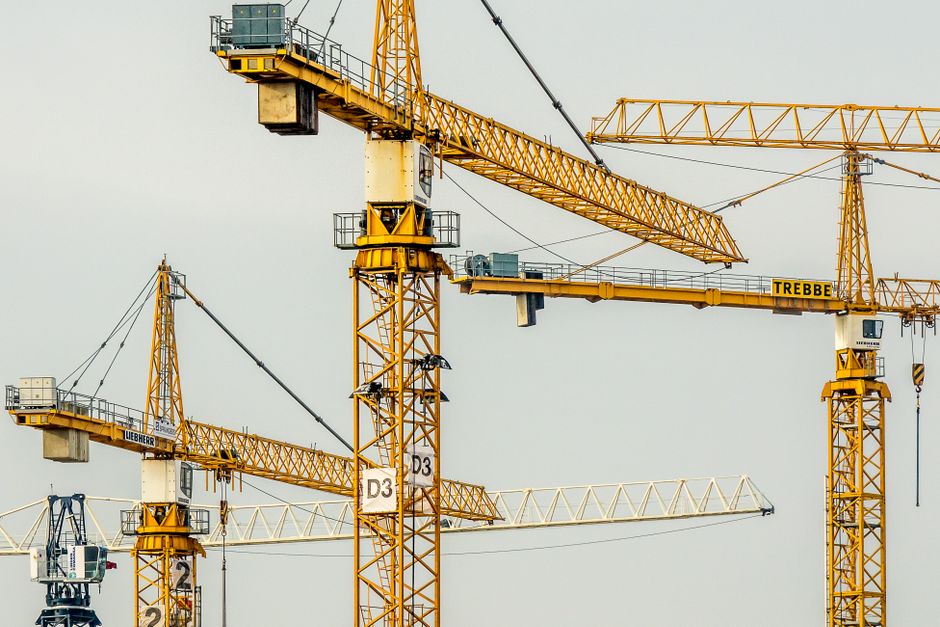
Photo by Mike van Schoonderwalt on Pexels
- Project Planning & Scheduling: This is where you define the project scope, identify tasks, sequence them, and estimate durations. Tools like Gantt charts and Critical Path Method (CPM) are essential.
- Cost Management: Involves budgeting, cost estimation, tracking expenses, and controlling costs throughout the project lifecycle.
- Quality Management: Ensuring that the project meets specified standards and client expectations. This includes quality control and quality assurance processes.
- Risk Management: Identifying potential problems (risks), assessing their likelihood and impact, and developing strategies to mitigate or respond to them.
- Procurement Management: Managing the acquisition of materials, equipment, and services from external suppliers.
- Human Resource Management: Organizing and managing project teams, including hiring, training, and performance management.
- Communication Management: Ensuring timely and appropriate generation, collection, distribution, storage, retrieval, and ultimate disposition of project information.
- Safety Management: Implementing practices and procedures to ensure a safe working environment for all personnel.
The Planning Process

Photo by RDNE Stock project on Pexels
Effective planning is iterative and dynamic. It's not a one-time event but an ongoing process throughout the project lifecycle.
graph TD
    A["Define Project Scope (What to build?)"] --> B["Break Down Work (Work Breakdown Structure - WBS)"]
    B --> C["Estimate Activities & Resources (Time, Cost, Labor)"]
    C --> D["Sequence Activities (Order of tasks)"]
    D --> E["Develop Schedule (Gantt, CPM)"]
    E --> F["Create Budget (Cost estimates)"]
    F --> G["Identify & Mitigate Risks"]
    G --> H["Establish Quality Standards"]
    H --> I["Plan Procurement (Materials, Contractors)"]
    I --> J["Monitor & Control (Track progress, adjust plans)"]
Work Breakdown Structure (WBS)
A WBS breaks down the project into smaller, manageable components. It's a hierarchical decomposition of the total scope of work to be carried out by the project team to accomplish the project objectives and create the required deliverables. Think of it as outlining a book before you write it.
Scheduling Techniques
- Gantt Charts: Bar charts that show the start and end dates of all project activities. They're great for visual tracking of progress.
- Critical Path Method (CPM): Identifies the longest sequence of dependent activities (the critical path) in a project network diagram. Any delay in these activities will delay the entire project. This helps you focus your attention on the most crucial tasks.
3. Worked Example
Let's say you're managing a small residential house construction project.
Project: Build a 3-bedroom house.
- Define Scope: A 3-bedroom, 2-bath house with standard finishes, on Lot 123.
- WBS (Partial):
- Foundation
- Site preparation
- Excavation
- Footings
- Slab pouring
- Framing
- Wall erection
- Roof truss installation
- Sheathing
- Rough-ins (Electrical, Plumbing, HVAC)
- Electrical wiring
- Plumbing lines
- Ductwork
- Exterior Finishes
- Roofing
- Window/Door installation
- Siding/Brickwork
- Interior Finishes
- Drywall
- Painting
- Flooring
- Cabinetry/Fixtures
- Foundation
-
Scheduling (Simplified CPM):
- Activity A: Site Preparation (5 days)
- Activity B: Excavation (3 days, depends on A)
- Activity C: Footings (7 days, depends on B)
- Activity D: Slab Pouring (4 days, depends on C)
- Activity E: Wall Erection (10 days, depends on D)
- Activity F: Roofing (8 days, depends on E)
- Activity G: Rough Electrical (7 days, depends on E)
- Activity H: Rough Plumbing (6 days, depends on E)
- Activity I: Drywall (12 days, depends on F, G, H)
To find the critical path, you'd chart these dependencies. If Activities G and H can happen concurrently with F, the path through G or H might be critical. Let's assume for simplicity, all rough-ins (G, H) must finish before I, and rough-ins can start only after wall erection (E) and roofing (F).
Path 1: A-B-C-D-E-F-I (5+3+7+4+10+8+12 = 49 days)
Path 2: A-B-C-D-E-G-I (5+3+7+4+10+7+12 = 48 days)
Path 3: A-B-C-D-E-H-I (5+3+7+4+10+6+12 = 47 days)The critical path here is Path 1 (A-B-C-D-E-F-I) at 49 days. This means any delay in site prep, excavation, footings, slab pouring, wall erection, roofing, or drywall will delay the entire project. You'd focus your attention and resources on these activities.
-
Budgeting: You'd estimate costs for each WBS item: labor, materials, equipment, permits. E.g., excavation might cost
Frequently asked about Construction Management Principles and Planning
Study this next
Get the full surveying-ii, surveying-ii practice and plotting, material testing laboratory, construction management and entrepreneurship curriculum
Clone the complete plan to your dashboard for unlimited AI-generated notes, practice quizzes, and a personalised revision schedule.
Save this course free