Blood Transfusion: Principles and Practice
From the i need to learn about the parts of the heat and also the cardiovascular system with how blood transfusion works and all the parts of the heart curriculum
TL;DR
Blood transfusion is when you get donated blood to replace lost or dysfunctional blood components. It's crucial to match blood types to prevent severe reactions. The process involves careful testing, administration, and monitoring for patient safety.
1. The Mental Model
Think of your body's blood as a critical delivery service, carrying oxygen and nutrients. If this service breaks down or runs low (due to injury or illness), a blood transfusion is like bringing in a backup delivery team to restore essential functions.
2. The Core Material
A blood transfusion is a medical procedure where you receive healthy blood or blood components intravenously (through a vein). It's used to replace blood lost from surgery or injury, or to provide blood components that your body isn't making enough of due to illness.
Parts of Blood Transfused
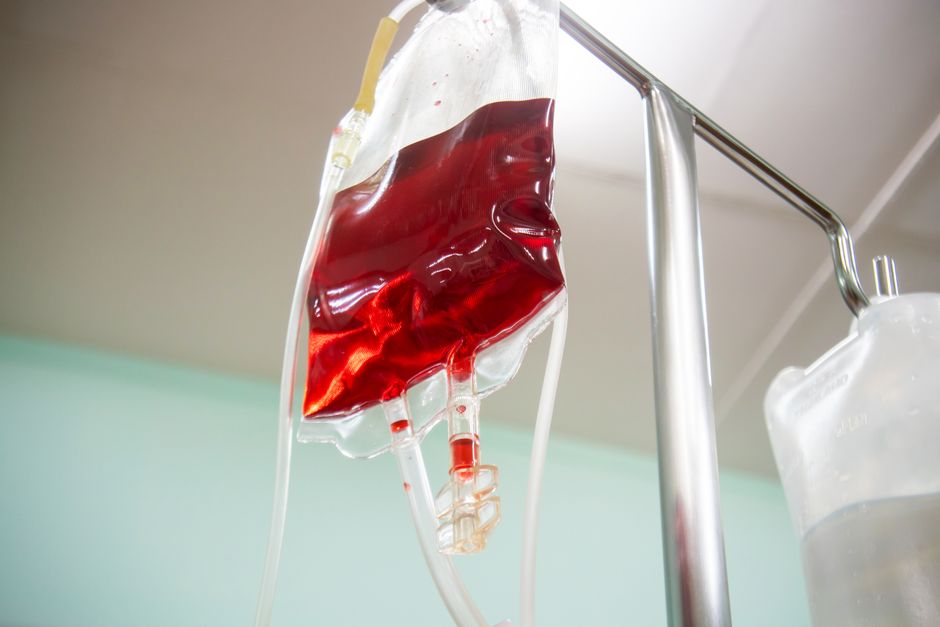
Photo by panumas nikhomkhai on Pexels
When we talk about "blood," we're often thinking about whole blood, but usually, specific components are transfused based on what you need:
- Red Blood Cells (RBCs): These carry oxygen from your lungs to the rest of your body. Transfused for anemia or significant blood loss.
- Platelets: Tiny cells that help your blood clot. Transfused for low platelet counts or bleeding disorders.
- Plasma: The liquid part of blood that carries proteins, clotting factors, and other substances. Transfused for bleeding disorders or severe burns.
- Cryoprecipitate: A component derived from plasma, rich in certain clotting factors (like Factor VIII and fibrinogen). Used for specific clotting factor deficiencies.
The Cardiovascular System and Blood Flow

Photo by cottonbro studio on Pexels
To understand transfusion, you also need to know the basics of how your cardiovascular system works, as this is where the transfused blood goes. This system is your heart, blood vessels (arteries, veins, capillaries), and blood.
Your heart is a powerful pump with four chambers:
1. Right Atrium: Receives deoxygenated blood from the body.
2. Right Ventricle: Pumps deoxygenated blood to the lungs.
3. Left Atrium: Receives oxygenated blood from the lungs.
4. Left Ventricle: Pumps oxygenated blood to the rest of the body.
The blood circulates continuously, delivering oxygen and nutrients, and picking up waste products. When you receive a transfusion, the new blood enters this existing circulatory pathway.
Blood Types and Compatibility
Photo by panumas nikhomkhai on Pexels
This is the most critical part of blood transfusion. Your red blood cells have specific markers on their surface called antigens. Your plasma has antibodies that will attack foreign antigens. If you receive blood with antigens your body doesn't recognize, your immune system will attack it, causing a severe, potentially fatal, reaction.
The two most important blood typing systems are ABO and Rh.
- ABO System:
- Type A: Has A antigens; B antibodies. Can receive A or O.
- Type B: Has B antigens; A antibodies. Can receive B or O.
- Type AB: Has A and B antigens; NO A or B antibodies. Universal recipient (can receive A, B, AB, O).
- Type O: Has NO A or B antigens; A and B antibodies. Universal donor (can donate to A, B, AB, O).
- Rh System:
- Rh positive (+): Has Rh antigen. Can receive Rh+ or Rh-.
- Rh negative (-): Has no Rh antigen. Can ONLY receive Rh-. If Rh- person receives Rh+ blood, they'll develop antibodies that could cause problems in future transfusions or pregnancies.
Before any transfusion, a cross-match is performed. This involves mixing a sample of your blood with a sample of the donor's blood to ensure there's no adverse reaction.
The Transfusion Process

Photo by Suraphat Nuea-on on Pexels
Here's a simplified flow:
graph TD
    A["Patient Needs Blood"] --> B["Blood Sample Taken for Testing"]
    B --> C["Blood Type & Cross-match Performed"]
    C --> D{"Compatible Blood Found?"}
    D -- No --> C
    D -- Yes --> E["Donor Blood Prepared"]
    E --> F["Patient ID Confirmed (Twice)"]
    F --> G["Blood Administered (Slowly)"]
    G --> H["Patient Monitored for Reactions"]
    H --> I{"Reaction?"}
    I -- Yes --> J["Stop Transfusion & Treat Reaction"]
    I -- No --> K["Transfusion Completed"]
Key Steps:
1. Ordering: Doctor determines need and type of blood product.
2. Typing and Cross-matching: Lab tests your blood and matches it with donor blood.
3. Identification: Before starting, at least two healthcare professionals confirm your identity and the blood product's details match exactly. This is a critical safety step.
4. Administration: The blood is given slowly through an IV line, usually over 1-4 hours, depending on the component.
5. Monitoring: You'll be closely watched for any signs of an adverse reaction (fever, chills, rash, difficulty breathing, pain).
3. Worked Example
Let's say you're Type A negative (A-). You've had surgery and lost a significant amount of blood, so you need a transfusion of red blood cells.
- A blood sample is drawn from you.
- In the lab, your blood is typed as A- and then cross-matched with potential donor units.
- The lab finds a unit of O- blood that's compatible. (Remember, O- is the universal red cell donor).
- Before the transfusion, a nurse and another staff member confirm your name, date of birth, and medical record number, checking them against the information on the blood bag and the order. They also verify the blood type on the bag (O-) matches the order for A- blood (since O- is compatible).
- The O- red blood cells are slowly infused into your vein.
- Throughout the process, the nurse monitors your vital signs and checks for any signs of a reaction. You feel fine, so the transfusion is completed successfully.
4. Key Takeaways
- Blood transfusions replace missing blood components to help your body function correctly.
- Your heart is the pump, and the cardiovascular system circulates blood throughout your body.
- Blood type matching (ABO and Rh) is absolutely vital to prevent dangerous immune reactions.
- O- is the universal donor for red blood cells, and AB+ is the universal recipient.
- Patient identification and careful monitoring are crucial safety steps during a transfusion.
- Transfusions commonly involve specific blood components, not always whole blood.
Common Mistakes to Avoid:
- Assuming all "blood" is the same: Different components (RBCs, platelets, plasma) have different uses.
- Ignoring blood type compatibility: This is the most dangerous mistake; never bypass cross-matching.
- Not double-checking patient identity: Mismatched patient-to-blood is a critical error.
- Rushing the transfusion: Administering blood too quickly can overload the system or mask reactions.
5. Now Try It
Imagine you're working in a clinic. A patient comes in who is B+. They've been in an accident and need a transfusion of red blood cells. Based on what you've learned, what specific blood types would be considered compatible for this patient to receive red blood cells, and why? List at least two compatible types.
Success looks like: You correctly identify two compatible blood types and briefly explain your reasoning based on ABO and Rh compatibility.
Frequently asked about Blood Transfusion: Principles and Practice
More from i need to learn about the parts of the heat and also the cardiovascular system with how blood transfusion works and all the parts of the heart
Get the full i need to learn about the parts of the heat and also the cardiovascular system with how blood transfusion works and all the parts of the heart curriculum
Clone the complete plan to your dashboard for unlimited AI-generated notes, practice quizzes, and a personalised revision schedule.
Save this course free