The Cardiovascular System: Blood Vessels and Circulation
From the i need to learn about the parts of the heat and also the cardiovascular system with how blood transfusion works and all the parts of the heart curriculum
TL;DR
Your cardiovascular system is a closed loop of the heart and blood vessels that constantly moves blood throughout your body. This system delivers oxygen and nutrients while picking up waste products, all powered by your heart's pumping action. Blood transfusions work by directly adding blood from a donor to your system to replace lost or deficient blood.
1. The Mental Model
Think of your cardiovascular system like a city's road network, but instead of cars, blood flows. Your heart is the central pump station, and the blood vessels are the highways and smaller streets carrying everything essential to every building (your body's cells) and taking away the trash.
2. The Core Material
Your cardiovascular system is primarily made up of your heart, blood vessels, and blood. We'll focus on the heart and blood vessels here.
The Heart: Your Body's Pump

Photo by Andres Ayrton on Pexels
Your heart is a muscular organ, roughly the size of your fist, located slightly to the left of your chest's center. It's actually two pumps in one, separated by a wall called the septum. Each pump has two chambers: an atrium (receiving chamber) and a ventricle (pumping chamber).
Let's break down the four chambers:
* Right Atrium (RA): Receives deoxygenated (oxygen-poor) blood from the body.
* Right Ventricle (RV): Pumps deoxygenated blood to the lungs.
* Left Atrium (LA): Receives oxygenated (oxygen-rich) blood from the lungs.
* Left Ventricle (LV): Pumps oxygenated blood to the rest of the body. This is the strongest chamber as it needs to pump blood the furthest.
Valves keep blood flowing in one direction, preventing backflow:
* Tricuspid valve: Between RA and RV.
* Pulmonary valve: Between RV and pulmonary artery.
* Mitral (Bicuspid) valve: Between LA and LV.
* Aortic valve: Between LV and aorta.
Blood Vessels: The Body's Road Network
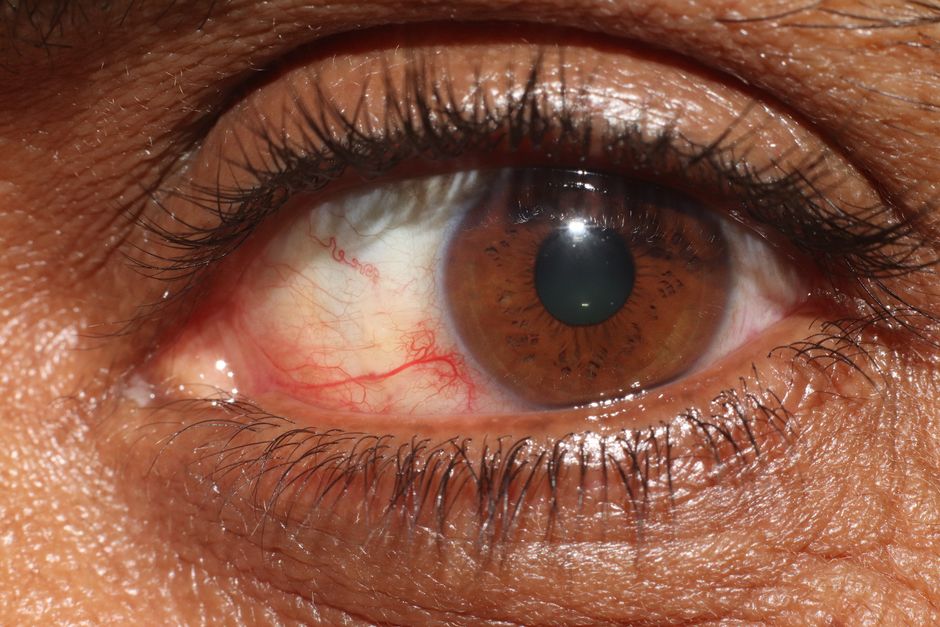
Photo by Vikram Aditya on Pexels
There are three main types of blood vessels:
- Arteries: These carry oxygenated blood away from the heart to the rest of the body (except for the pulmonary artery, which carries deoxygenated blood to the lungs). They have thick, muscular walls to withstand the high pressure from the heart's pumping. They branch into smaller arterioles.
- Veins: These carry deoxygenated blood back to the heart from the body (except for the pulmonary veins, which carry oxygenated blood from the lungs to the heart). They have thinner walls and contain valves to prevent blood from flowing backward, especially against gravity. Arterioles eventually lead into venules, which then become veins.
- Capillaries: These are the smallest and most numerous blood vessels, connecting arterioles and venules. Their walls are extremely thin, only one cell thick, which allows for the exchange of oxygen, nutrients, and waste products between the blood and body cells.
Here's how blood generally flows through your body:
graph TD
    A["Deoxygenated Blood from Body"] --> B["Right Atrium"]
    B --> C["Right Ventricle"]
    C --> D["Pulmonary Artery"]
    D --> E["Lungs (Oxygen Added, CO2 Removed)"]
    E --> F["Pulmonary Vein (Oxygenated Blood)"]
    F --> G["Left Atrium"]
    G --> H["Left Ventricle"]
    H --> I["Aorta"]
    I --> J["Arteries"]
    J --> K["Arterioles"]
    K --> L["Capillaries (Exchange with Body Cells)"]
    L --> M["Venules"]
    M --> N["Veins"]
    N --> A
Blood Transfusion: A Direct Boost
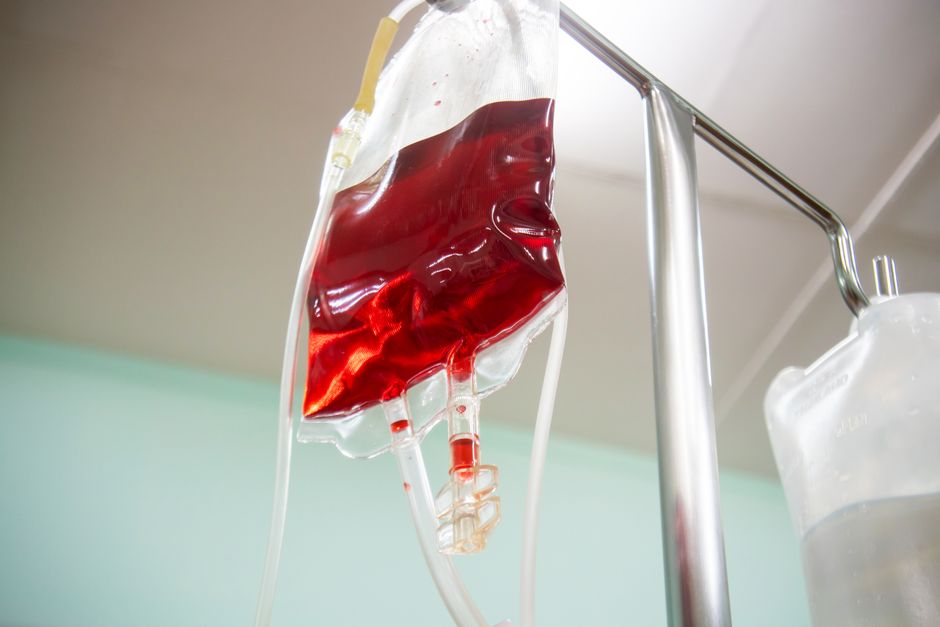
Photo by panumas nikhomkhai on Pexels
A blood transfusion is a medical procedure where healthy blood or blood components (like red blood cells, plasma, or platelets) are given to you intravenously (through a vein). It's done when your body can't produce enough healthy blood cells or you've lost a lot of blood due to injury or surgery.
The key steps are:
1. Donation: Blood is collected from a volunteer donor.
2. Processing: The donated blood is tested for diseases and separated into components.
3. Typing and Crossmatching: Your blood type (A, B, AB, O, and Rh factor) must be compatible with the donor's blood to prevent a severe immune reaction. This is a critical step.
4. Transfusion: The compatible blood is slowly infused into your vein, usually over a few hours.
3. Worked Example
Let's trace a single drop of oxygen-poor blood from your big toe all the way through your heart and to your lungs, and then back to your heart as oxygen-rich blood.
- The deoxygenated blood from your toe travels through small venules, which merge into larger veins.
- These veins eventually combine into the inferior vena cava, which empties into the Right Atrium (RA) of your heart.
- The RA contracts, pushing the blood through the tricuspid valve into the Right Ventricle (RV).
- The RV contracts forcefully, sending the blood through the pulmonary valve into the pulmonary artery.
- The pulmonary artery carries this deoxygenated blood to your lungs.
- In the tiny capillaries of your lungs, carbon dioxide is released, and fresh oxygen is picked up by the blood.
- Now oxygenated, the blood travels through the pulmonary veins and enters the Left Atrium (LA) of your heart.
- The LA contracts, pushing the blood through the mitral valve into the Left Ventricle (LV).
- The LV, the strongest chamber, contracts powerfully, pumping the oxygenated blood through the aortic valve into the aorta.
- The aorta, the body's largest artery, then distributes this oxygen-rich blood through a network of arteries and arterioles to all the tissues, including your big toe, completing the loop.
4. Key Takeaways
- The heart has four chambers: two atria (receiving) and two ventricles (pumping).
- Valves in the heart ensure blood flows in one direction, preventing backflow.
- Arteries carry blood away from the heart, veins carry blood back to the heart, and capillaries are where exchange happens.
- Oxygen-poor blood goes from the right side of the heart to the lungs, then oxygen-rich blood returns to the left side to be pumped to the body.
- Blood transfusions replace lost or deficient blood, requiring careful blood typing and crossmatching to ensure compatibility.
- The left ventricle is the most muscular chamber because it pumps blood to the entire body.
Common Mistakes to Avoid:
- Don't confuse arteries with veins; remember arteries away from the heart (mostly oxygenated), veins back to the heart (mostly deoxygenated).
- Forgetting the role of the lungs in oxygenating blood; the right side of the heart handles deoxygenated blood for the lungs, the left side handles oxygenated blood for the body.
- Thinking all blood vessels carry the same type of blood; pulmonary arteries carry deoxygenated blood, and pulmonary veins carry oxygenated blood, which is opposite to the rest of the body.
- Underestimating the importance of blood typing for transfusions; incompatible blood types can cause serious reactions.
5. Now Try It
Imagine you're designing a very simple diagram for a friend. Draw a simplified diagram of the heart with its four chambers and label them. Then, draw arrows showing the general path of blood flow through the heart, indicating where blood goes to the lungs and where it goes to the rest of the body. Your success will be a clear diagram that shows the correct chambers and the general direction of blood flow for both oxygenated and deoxygenated blood.
Frequently asked about The Cardiovascular System: Blood Vessels and Circulation
More from i need to learn about the parts of the heat and also the cardiovascular system with how blood transfusion works and all the parts of the heart
Get the full i need to learn about the parts of the heat and also the cardiovascular system with how blood transfusion works and all the parts of the heart curriculum
Clone the complete plan to your dashboard for unlimited AI-generated notes, practice quizzes, and a personalised revision schedule.
Save this course free