Blood Pressure, Blood Flow, and Regulation
From the i need to learn about the parts of the heat and also the cardiovascular system with how blood transfusion works and all the parts of the heart curriculum
TL;DR
Blood pressure is the force blood exerts on vessel walls, driven by your heart and influenced by vessel resistance. Blood flow is the movement of blood through your vessels, delivering oxygen and nutrients. Your body tightly regulates both to ensure all tissues get enough blood while maintaining a healthy pressure.
1. The Mental Model
Think of your cardiovascular system like a garden hose. Blood pressure is how hard the water pushes against the hose walls, while blood flow is how much water comes out the end. Your body constantly adjusts the "pump" (your heart) and the "hose" (your blood vessels) to keep everything flowing smoothly.
2. The Core Material
You're already familiar with your heart and blood vessels. Now, let's connect those to how blood moves and the pressure it creates.
What is Blood Pressure?
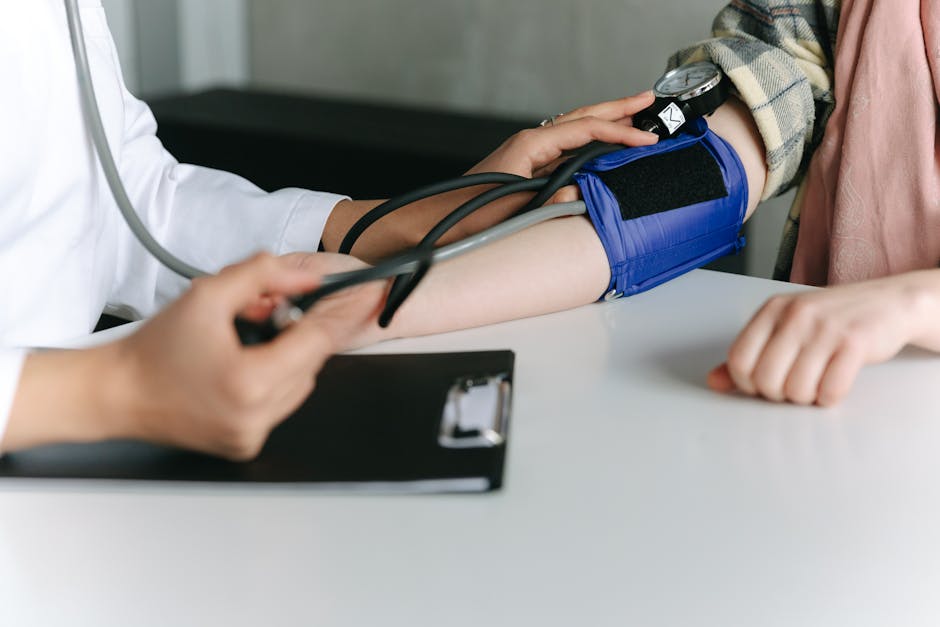
Photo by Thirdman on Pexels
Blood pressure is simply the force that your blood exerts against the walls of your arteries as your heart pumps. It's measured in millimeters of mercury (mmHg) and always given as two numbers:
- Systolic pressure: This is the top number, representing the pressure when your heart contracts (squeezes) and pushes blood out into your arteries. It's the highest pressure in your arteries.
- Diastolic pressure: This is the bottom number, representing the pressure when your heart relaxes between beats. It's the lowest pressure in your arteries.
So, a reading of 120/80 mmHg means your systolic pressure is 120 and your diastolic pressure is 80.
What is Blood Flow?

Photo by https://kaboompics.com/ on Pexels
Blood flow is the volume of blood moving through a vessel or organ over a specific period. It's usually measured in milliliters per minute (mL/min). Adequate blood flow is crucial because it ensures your tissues get the oxygen and nutrients they need and waste products are removed.
Factors Affecting Blood Flow and Pressure
Photo by Thirdman on Pexels
Several things influence how much blood flows and at what pressure:
- Cardiac Output (CO): This is the amount of blood your heart pumps out per minute. It's a combination of your heart rate (beats per minute) and stroke volume (amount of blood pumped per beat).
- Higher CO = Higher blood pressure and flow.
- Peripheral Resistance (PR): This refers to the opposition to blood flow caused by friction between blood and the vessel walls. Think of it like a narrow, rough pipe versus a wide, smooth one.
- Vessel diameter: Smaller vessels increase resistance.
- Blood viscosity: Thicker blood (like dehydration) increases resistance.
- Vessel length: Longer vessels increase resistance.
- Higher PR = Higher blood pressure, lower flow (if CO stays the same).
- Blood Volume: The total amount of blood in your circulatory system.
- Higher blood volume = Higher blood pressure.
You can think of the relationship like this:
Blood Pressure (BP) = Cardiac Output (CO) x Peripheral Resistance (PR)
How Your Body Regulates Blood Pressure and Flow
Photo by Thirdman on Pexels
Your body has sophisticated mechanisms to keep blood pressure and flow in a healthy range. This is called homeostasis.
graph TD
    A[Blood Pressure Changes] --> B{Baroreceptors detected?};
    B -- Yes --> C{Signal to Brainstem};
    C --> D[Autonomic Nervous System Activated];
    D --> E{Cardiovascular Center (Medulla)};
    E --> F[Adjust Heart Rate & Contractility]
    E --> G[Adjust Vessel Diameter];
    F --> H{Cardiac Output Change};
    G --> I{Peripheral Resistance Change};
    H --> J[Blood Pressure Normalized];
    I --> J;
    J --> K[Stable Blood Flow];
    B -- No / Not enough --> L{Kidneys involved?};
    L -- Yes --> M[Renin-Angiotensin-Aldosterone System (RAAS)];
    M --> N[Regulate Blood Volume & Vessel Constriction];
    N --> J;
Here's a breakdown of the key regulatory systems:
- Neural (Nervous System) Controls:
- Baroreceptors: These are pressure-sensitive stretch receptors located in your carotid arteries (neck) and aortic arch. They constantly monitor blood pressure. If pressure rises, they send signals to your brain.
- Cardiovascular Center (in your brainstem): This acts like the control panel. When baroreceptors signal high pressure, it tells your heart to slow down (decreasing CO) and your blood vessels to widen (decreasing PR). For low pressure, it does the opposite.
- Hormonal Controls:
- Renin-Angiotensin-Aldosterone System (RAAS): This is a powerful, slower-acting system primarily managed by your kidneys. When blood pressure drops, your kidneys release renin. Renin eventually leads to the production of angiotensin II, which is a potent vasoconstrictor (narrows blood vessels, increasing PR) and also stimulates the release of aldosterone (which increases blood volume by making you retain salt and water).
- Antidiuretic Hormone (ADH): Released by your pituitary gland when blood pressure is low or blood volume is low. ADH makes your kidneys reabsorb more water, increasing blood volume and thus blood pressure.
- Adrenaline (Epinephrine) and Noradrenaline (Norepinephrine): Released from your adrenal glands during stress or excitement. They increase heart rate and contractility (increasing CO) and cause vasoconstriction in some areas, raising blood pressure.
- Local Controls (Autoregulation): Tissues can adjust their own blood flow locally. For example, if a muscle is working hard and needs more oxygen, it will produce local chemicals that cause its blood vessels to dilate (widen), increasing blood flow to that specific area.
3. Worked Example
Let's imagine you've just run up a flight of stairs.
- Initial Response: Your muscles are working hard and need more oxygen and nutrients. This initially causes local vasodilation in your leg muscles.
- Systemic Response (Neural): Your heart rate and contractility increase significantly. This boosts your cardiac output (CO) to meet the increased demand. Your baroreceptors might detect an initial drop in overall peripheral resistance due to the widespread vasodilation, prompting your cardiovascular center to also cause some vasoconstriction in less critical areas (like your digestive system) to redirect blood to your muscles.
- Result: Your blood flow to your working muscles dramatically increases, delivering the needed oxygen. Your overall blood pressure might slightly increase or remain stable due to the combined effect of increased CO and selective vasoconstriction/dilation, ensuring adequate pressure to push blood where it's needed.
4. Key Takeaways
- Blood pressure is the force of blood against artery walls, with systolic (heart contracts) and diastolic (heart relaxes) numbers.
- Blood flow is the volume of blood moving through vessels, essential for delivering oxygen and nutrients.
- Blood pressure equals cardiac output multiplied by peripheral resistance (BP = CO x PR).
- Cardiac output is how much blood your heart pumps; peripheral resistance is the opposition to blood flow.
- Your body uses neural (baroreceptors, cardiovascular center) and hormonal (RAAS, ADH, adrenaline) systems to regulate blood pressure and flow.
- Local autoregulation allows specific tissues to adjust their own blood flow as needed.
- Maintaining stable blood pressure and adequate blood flow is critical for overall health and organ function.
Common mistakes to avoid:
- Confusing high blood flow with high blood pressure; they're related but not always directly proportional.
- Thinking blood pressure is constant; it fluctuates throughout the day and with activity.
- Underestimating the role of vessel diameter in regulating both flow and pressure.
- Forgetting that the kidneys play a significant, long-term role in blood pressure regulation through blood volume.
5. Now Try It
Imagine you are severely dehydrated. Your total blood volume has decreased. Using what you've learned, describe in 3-4 sentences how your body would try to compensate to maintain adequate blood pressure and flow, focusing on at least two regulatory mechanisms. What would be the immediate effects, and what would be the longer-term effects?
Frequently asked about Blood Pressure, Blood Flow, and Regulation
More from i need to learn about the parts of the heat and also the cardiovascular system with how blood transfusion works and all the parts of the heart
Get the full i need to learn about the parts of the heat and also the cardiovascular system with how blood transfusion works and all the parts of the heart curriculum
Clone the complete plan to your dashboard for unlimited AI-generated notes, practice quizzes, and a personalised revision schedule.
Save this course free