Components of Blood and Blood Cell Formation
From the i need to learn about the parts of the heat and also the cardiovascular system with how blood transfusion works and all the parts of the heart curriculum
TL;DR
Your blood is made of plasma, red blood cells, white blood cells, and platelets, each with specific jobs. All these blood cells are created in your bone marrow through a process called hematopoiesis. This continuous process ensures your body always has enough fresh blood cells to function properly.
1. The Mental Model
Think of your blood as a vital river flowing through your body, constantly carrying necessities and removing waste. This river isn't just water; it's a dynamic mix of different "boats" (cells) and the "water" itself (plasma), all originating from a "shipyard" (bone marrow).
2. The Core Material
Your blood is a specialized connective tissue that circulates throughout your body, delivering essential substances and removing waste. It's made of two main parts:
2.1 Plasma: The Liquid Part of Blood

Photo by Stéf -b. on Pexels
Plasma is the yellowish, liquid component of blood, making up about 55% of its total volume. It's mostly water (about 92%), but it also contains:
* Proteins: Like albumin (helps maintain fluid balance), globulins (antibodies for immunity), and fibrinogen (important for blood clotting).
* Nutrients: Glucose, amino acids, vitamins, and minerals your cells need.
* Hormones: Chemical messengers that regulate body functions.
* Electrolytes: Salts like sodium and potassium that help with nerve and muscle function.
* Waste products: Such as urea, which the kidneys filter out.
Plasma's main job is to transport all these substances throughout your body.
2.2 Formed Elements: The Blood Cells
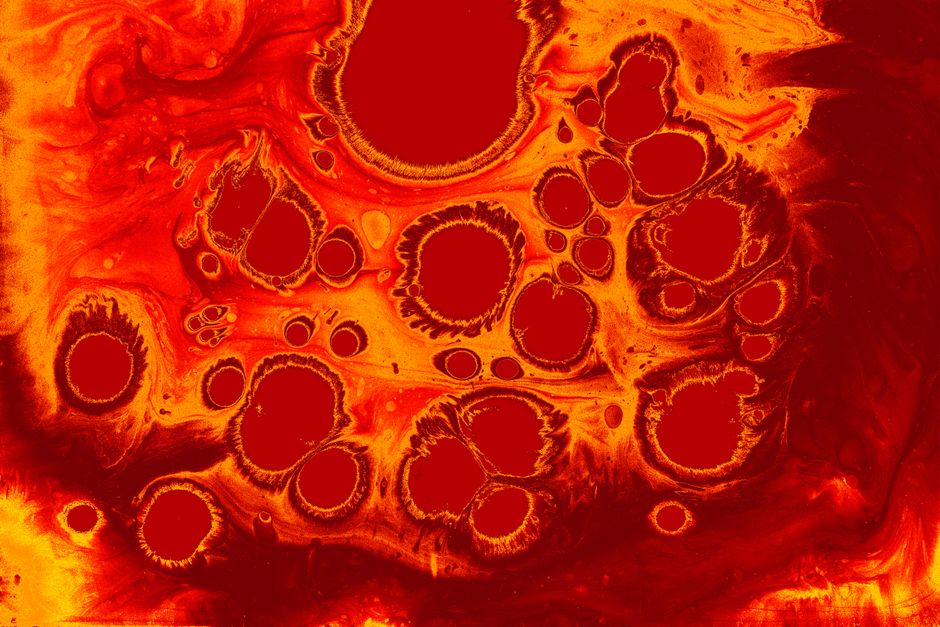
Photo by Turgay Koca on Pexels
The other 45% of your blood consists of the "formed elements," which are the blood cells and cell fragments:
- Red Blood Cells (Erythrocytes): These are the most numerous blood cells. They're shaped like biconcave discs (think of a flattened donut) and contain hemoglobin, a protein that binds to oxygen. Their primary job is to transport oxygen from your lungs to your tissues and carry carbon dioxide back to your lungs. They have no nucleus and live for about 120 days.
- White Blood Cells (Leukocytes): These cells are your body's defense system. They come in several types (neutrophils, lymphocytes, monocytes, eosinophils, basophils), each with specific roles in fighting infections, destroying foreign invaders, and cleaning up cellular debris. They do have a nucleus and are generally larger than red blood cells.
- Platelets (Thrombocytes): These aren't full cells but tiny cell fragments. Their crucial role is in blood clotting (hemostasis) to prevent excessive bleeding when a blood vessel is injured. When a vessel is damaged, platelets clump together and release factors that initiate the clotting process.
2.3 Blood Cell Formation (Hematopoiesis)
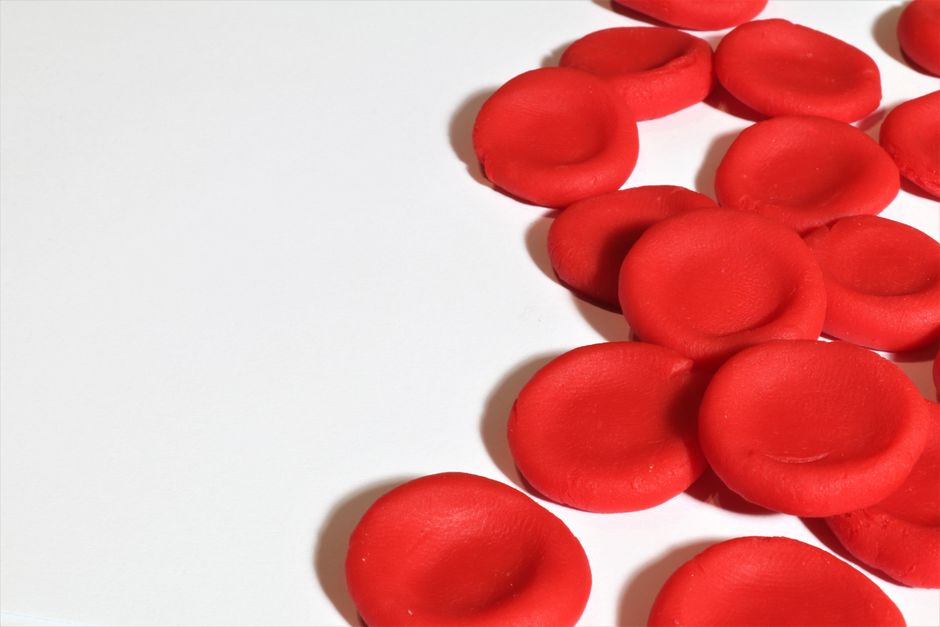
Photo by Roger Brown on Pexels
All these different blood cells are produced in your bone marrow, primarily in the flat bones (like your hip bones, sternum, and skull) and the ends of long bones. This continuous process is called hematopoiesis.
Here's how it generally works:
graph TD
    A["Hematopoietic Stem Cell (HSC) in Bone Marrow"] --> B["Common Myeloid Progenitor"]
    A --> C["Common Lymphoid Progenitor"]

    B --> D["Erythroblast"]
    B --> E["Megakaryocyte"]
    B --> F["Myeloblast"]

    C --> G["Lymphoblast"]

    D --> H["Reticulocyte"]
    H --> I["Red Blood Cell (Erythrocyte)"]

    E --> J["Platelets (Thrombocytes)"]

    F --> K["Neutrophil"]
    F --> L["Eosinophil"]
    F --> M["Basophil"]
    F --> N["Monocyte"]

    N --> O["Macrophage"]

    G --> P["T-lymphocyte"]
    G --> Q["B-lymphocyte"]
    G --> R["Natural Killer (NK) Cell"]

    P --> S["Plasma Cell (from B-lymphocyte)"]
    Q --> S
- Hematopoietic Stem Cells (HSCs): It all starts with these "master" stem cells in your bone marrow. They are pluripotent, meaning they can differentiate into any type of blood cell.
- Progenitor Cells: HSCs divide and mature into more specialized progenitor cells:
- Common Myeloid Progenitor: Gives rise to red blood cells, platelets, and most white blood cells (neutrophils, eosinophils, basophils, monocytes).
- Common Lymphoid Progenitor: Gives rise to lymphocytes (T-cells, B-cells, NK cells).
- Maturation: These progenitor cells then undergo further divisions and maturation steps, developing into the specific mature blood cells you find in your bloodstream. This process is regulated by various growth factors and hormones, like erythropoietin (EPO) for red blood cells.
This entire process ensures a constant supply of new blood cells, replacing old or damaged ones and responding to the body's needs, such as increasing white blood cell production during an infection.
3. Worked Example
Let's say you accidentally cut your finger. Here's how the components of your blood spring into action:
- Initial Injury: Blood vessels are damaged, and blood starts to leak out.
- Platelet Plug Formation: Almost immediately, platelets from your blood encounter the damaged vessel wall. They become sticky, adhere to the site of injury, and clump together, forming a temporary plug to reduce blood loss.
- Clotting Cascade: The platelets and damaged vessel cells release chemical factors that activate a complex series of steps involving proteins dissolved in your plasma (like fibrinogen). This cascade ultimately converts fibrinogen into fibrin, a mesh-like protein.
- Fibrin Clot: The fibrin mesh traps more platelets and red blood cells, forming a stable, solid blood clot that seals the wound and prevents further bleeding.
- Healing and Defense: Over the next few days, white blood cells (specifically neutrophils and macrophages, which differentiate from monocytes) will arrive at the wound site to clean up any bacteria that might have entered and remove damaged tissue, helping the healing process. Meanwhile, your bone marrow is continuously producing new red blood cells, platelets, and white blood cells through hematopoiesis to replace any lost during the injury and maintain normal levels.
4. Key Takeaways
- Blood is composed of plasma (liquid part) and formed elements (cells and cell fragments).
- Plasma transports nutrients, hormones, and waste throughout the body.
- Red blood cells carry oxygen using hemoglobin.
- White blood cells are essential for your immune system and fight infections.
- Platelets are crucial for stopping bleeding by forming blood clots.
- All blood cells originate from hematopoietic stem cells in your bone marrow through a process called hematopoiesis.
- Different progenitor cells lead to either myeloid cells (red blood cells, platelets, most white blood cells) or lymphoid cells (lymphocytes).
Common mistakes to avoid:
- Confusing plasma with serum; serum is plasma without clotting factors.
- Thinking all white blood cells have the same job; they have distinct roles.
- Believing blood cells are formed in the blood itself; they're made in the bone marrow.
- Forgetting that platelets are cell fragments, not full cells.
5. Now Try It
Imagine you're designing a very simple blood sample analysis for a patient. List which specific component of blood you'd look at to check for: 1) oxygen-carrying capacity, 2) ability to stop bleeding, and 3) presence of an infection. For each, briefly explain why that component tells you what you need to know. What would you expect to see in a healthy person versus someone with low oxygen, poor clotting, or an infection?
Frequently asked about Components of Blood and Blood Cell Formation
More from i need to learn about the parts of the heat and also the cardiovascular system with how blood transfusion works and all the parts of the heart
Get the full i need to learn about the parts of the heat and also the cardiovascular system with how blood transfusion works and all the parts of the heart curriculum
Clone the complete plan to your dashboard for unlimited AI-generated notes, practice quizzes, and a personalised revision schedule.
Save this course free