Physiology of the Heart and Cardiac Cycle
From the i need to learn about the parts of the heat and also the cardiovascular system with how blood transfusion works and all the parts of the heart curriculum
TL;DR
Your heart is a powerful pump made of four chambers that work together to circulate blood throughout your body. This pumping action is a continuous cycle, ensuring every cell gets the oxygen and nutrients it needs. Understanding its parts helps make sense of how your cardiovascular system functions, including how blood transfusions fit in.
1. The Mental Model
Think of your heart as a two-sided house with a powerful pump in each side. One side sends "dirty" blood to the lungs to pick up oxygen, and the other side sends "clean" oxygen-rich blood to the rest of your body.
2. The Core Material
Parts of the Heart

Photo by https://kaboompics.com/ on Pexels
Your heart is roughly the size of your fist and sits slightly to the left of your chest. It's divided into four main chambers:
- Right Atrium (RA): This is the top right chamber. It receives deoxygenated blood (blood that's used up its oxygen) from your body through two large veins: the superior vena cava (from your upper body) and the inferior vena cava (from your lower body).
- Right Ventricle (RV): This is the bottom right chamber. It receives blood from the right atrium and pumps it to your lungs through the pulmonary artery to pick up oxygen.
- Left Atrium (LA): This is the top left chamber. It receives oxygenated blood (blood rich in oxygen) from your lungs via the pulmonary veins.
- Left Ventricle (LV): This is the bottom left chamber. It's the strongest chamber and pumps oxygenated blood out to your entire body through the aorta, the body's largest artery.
Separating these chambers and ensuring blood flows in one direction are valves:
- Tricuspid valve: Between the RA and RV.
- Pulmonary valve: Between the RV and the pulmonary artery.
- Mitral (bicuspid) valve: Between the LA and LV.
- Aortic valve: Between the LV and the aorta.
The heart muscle itself is called the myocardium, and the wall that divides the right and left sides is the septum.
The Cardiovascular System

Photo by Los Muertos Crew on Pexels
The cardiovascular system is basically your heart and all your blood vessels (arteries, veins, and capillaries). It's a closed loop system:
- Arteries: Carry oxygenated blood away from the heart to the body (except the pulmonary artery).
- Veins: Carry deoxygenated blood back to the heart (except the pulmonary veins).
- Capillaries: Tiny vessels where oxygen, nutrients, and waste are exchanged between blood and tissues.
The Cardiac Cycle
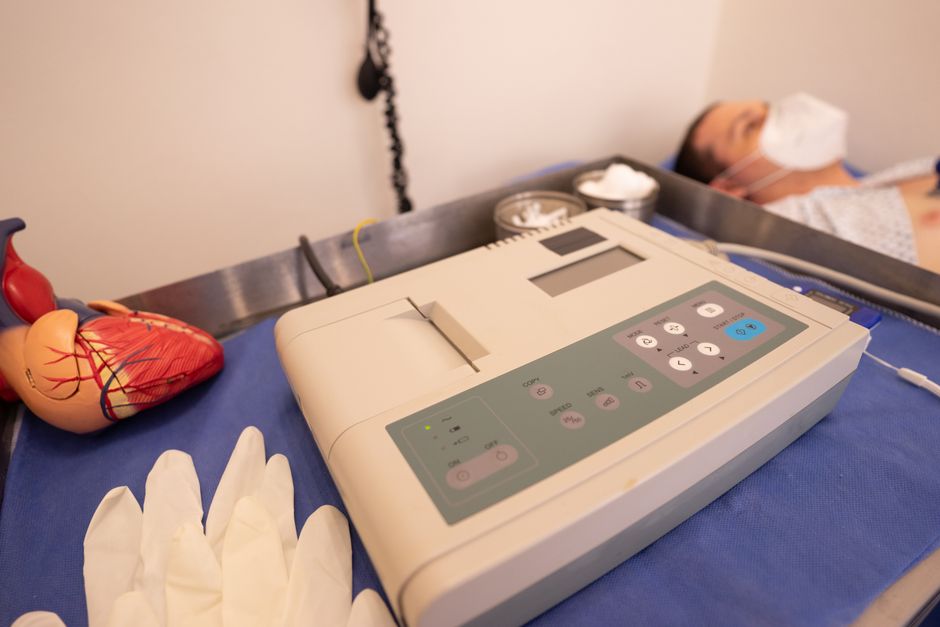
Photo by Los Muertos Crew on Pexels
The cardiac cycle is the complete sequence of events in the heart from the beginning of one heartbeat to the beginning of the next. It has two main phases:
- Diastole (Relaxation/Filling): All four chambers relax. The atria fill with blood (RA from the body, LA from the lungs). Then, the tricuspid and mitral valves open, allowing blood to flow into the ventricles.
- Systole (Contraction/Pumping):
- Atrial systole: The atria contract, pushing the last bit of blood into the ventricles.
- Ventricular systole: The ventricles contract powerfully. First, the tricuspid and mitral valves snap shut (making the "lub" sound). Then, the pulmonary and aortic valves open, and blood is ejected from the RV to the lungs and from the LV to the body. After ejection, the pulmonary and aortic valves close (making the "dub" sound).
Here's a simplified flow:
graph TD
    A["Deoxygenated blood from Body"] --> B[Right Atrium]
    B --> C[Tricuspid Valve]
    C --> D[Right Ventricle]
    D --> E[Pulmonary Valve]
    E --> F[Pulmonary Artery]
    F --> G["Lungs (picks up oxygen)"]
    G --> H[Pulmonary Veins]
    H --> I[Left Atrium]
    I --> J[Mitral Valve]
    J --> K[Left Ventricle]
    K --> L[Aortic Valve]
    L --> M[Aorta]
    M --> N["Oxygenated blood to Body"]
How Blood Transfusion Works
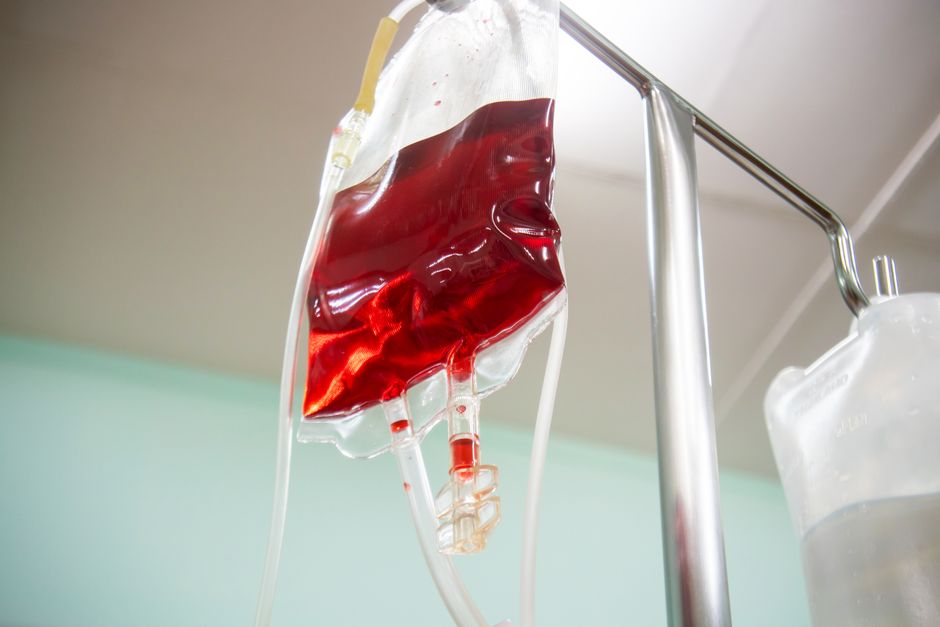
Photo by panumas nikhomkhai on Pexels
Blood transfusions are when a person receives blood (or specific blood components) intravenously. It's typically done when someone has lost a lot of blood due to injury or surgery, or if they have a condition that prevents their body from making enough healthy blood cells.
The cardiovascular system is the "delivery network" for this new blood. The transfused blood enters the veins, travels back to the heart (right atrium), and is then pumped through the lungs and out to the rest of the body. This helps replace lost red blood cells (for oxygen transport), plasma (for clotting and carrying substances), or platelets (for clotting). Compatibility is key: the donor's blood type must match the recipient's to avoid a dangerous immune reaction.
3. Worked Example
Let's trace a single drop of deoxygenated blood from your big toe back to your heart, through your lungs, and then to your brain.
- A drop of deoxygenated blood leaves your big toe and enters a small vein.
- It travels through progressively larger veins, eventually entering the inferior vena cava.
- The inferior vena cava empties into the right atrium.
- When the right atrium contracts (atrial systole), the blood passes through the tricuspid valve into the right ventricle.
- When the right ventricle contracts (ventricular systole), the blood is pushed through the pulmonary valve into the pulmonary artery.
- The pulmonary artery carries the blood to your lungs, where it releases carbon dioxide and picks up oxygen. Now it's oxygenated blood!
- This oxygenated blood returns from the lungs via the pulmonary veins to the left atrium.
- When the left atrium contracts, the blood moves through the mitral valve into the left ventricle.
- When the left ventricle contracts powerfully, the blood is ejected through the aortic valve into the aorta.
- The aorta branches into smaller arteries that carry this oxygenated blood up to your brain.
4. Key Takeaways
- The heart is a four-chambered pump (two atria, two ventricles) separated by a septum.
- Valves ensure blood flows in one direction, preventing backflow within the heart.
- The right side of the heart pumps deoxygenated blood to the lungs; the left side pumps oxygenated blood to the body.
- The cardiac cycle involves relaxation (diastole) for filling and contraction (systole) for pumping blood.
- The cardiovascular system includes the heart and all blood vessels that transport blood throughout the body.
-
Blood transfusions introduce new blood into the venous system, which then circulates via the heart to benefit the body.
-
Common mistake: Confusing arteries and veins; remember arteries away from the heart, veins toward the heart.
- Common mistake: Forgetting that the pulmonary artery carries deoxygenated blood and pulmonary veins carry oxygenated blood – they're exceptions to the general rule.
- Common mistake: Thinking the "lub-dub" sound is just muscle contraction; it's specifically the closing of the heart valves.
- Common mistake: Underestimating the left ventricle's importance; it's the most muscular chamber because it pumps blood to the entire body.
5. Now Try It
Take 15 minutes to draw a simplified diagram of the heart. Label all four chambers, the four main valves, the aorta, pulmonary artery, pulmonary veins, and the vena cavae. Then, use arrows to trace the path of blood starting from the right atrium, through the heart, lungs, and back out to the body. This will help solidify the flow!
Frequently asked about Physiology of the Heart and Cardiac Cycle
More from i need to learn about the parts of the heat and also the cardiovascular system with how blood transfusion works and all the parts of the heart
Get the full i need to learn about the parts of the heat and also the cardiovascular system with how blood transfusion works and all the parts of the heart curriculum
Clone the complete plan to your dashboard for unlimited AI-generated notes, practice quizzes, and a personalised revision schedule.
Save this course free