Reproductive Health and Family Planning
From the how do organisms reproduce, 10th cbse curriculum
TL;DR
Reproductive health is a state of complete physical, mental, and social well-being in all matters relating to the reproductive system. Family planning involves making informed choices about when and how many children to have, using various methods to prevent or space pregnancies. Both are crucial for individual well-being and societal health.
1. The Mental Model
Think of reproductive health as having a fully functional and healthy reproductive system, allowing you to enjoy a safe and satisfying sexual life, and the freedom to decide if, when, and how many children you want. Family planning is simply the practical toolkit and knowledge to achieve those family size goals.
2. The Core Material
Reproductive health isn't just about the absence of disease; it's about your complete well-being concerning your reproductive system. This includes physical health (no STIs, healthy pregnancies), mental well-being (no stress or anxiety related to reproduction), and social aspects (access to information, services, and the ability to make choices without discrimination).
What is Family Planning?

Photo by Nataliya Vaitkevich on Pexels
Family planning refers to the decision-making process and methods used by individuals and couples to determine the number, spacing, and timing of their children. It's about having control over your reproductive life. This is achieved primarily through contraception, which involves methods to prevent pregnancy.
Why is Family Planning Important?

Photo by Gustavo Fring on Pexels
- For Individuals/Couples: Allows them to space pregnancies, limit family size, avoid unwanted pregnancies, and protect their health (especially the mother's) by ensuring sufficient recovery time between births.
- For Society: Helps control population growth, reduces maternal and infant mortality rates, and improves overall public health.
Methods of Family Planning (Contraception)
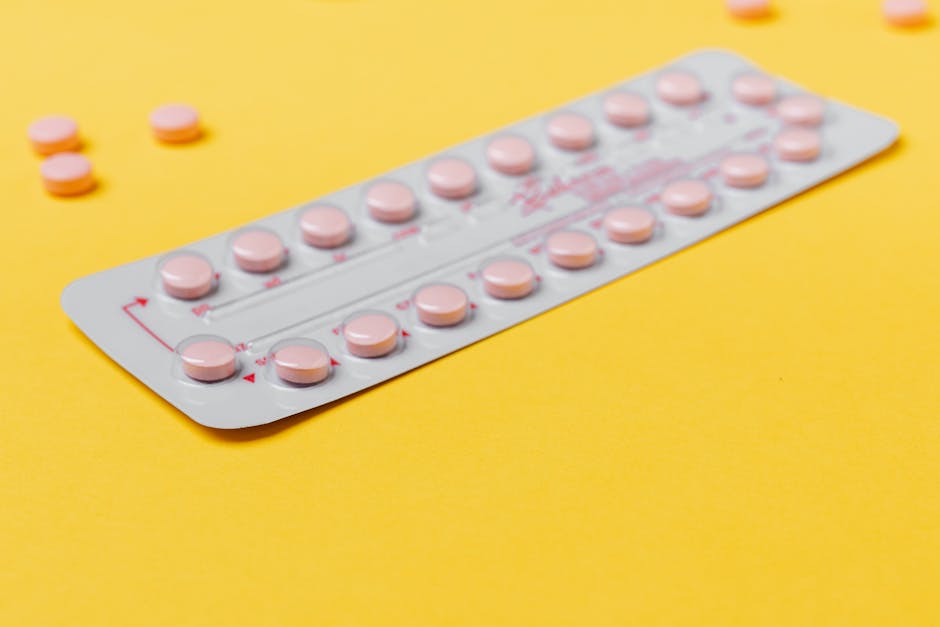
Photo by https://kaboompics.com/ on Pexels
There are several categories of contraceptive methods, each with its own mechanism and effectiveness:
2.1 Barrier Methods
These methods physically block sperm from reaching the egg.
- Condoms (Male and Female): Thin latex or polyurethane sheaths used during intercourse. They are effective against both pregnancy and Sexually Transmitted Infections (STIs), making them unique.
- Diaphragm/Cervical Cap: Dome-shaped devices inserted into the vagina before intercourse to cover the cervix, often used with spermicide.
2.2 Chemical Methods (Spermicides)
These are creams, jellies, or foams inserted into the vagina before intercourse. They contain chemicals that kill or immobilize sperm. They are generally less effective when used alone and are often combined with barrier methods.
2.3 Oral Contraceptive Pills (OCPs)
These are hormonal pills taken daily by women. They work by:
* Inhibiting ovulation: Preventing the release of an egg from the ovary.
* Thickening cervical mucus: Making it harder for sperm to reach the uterus.
* Altering uterine lining: Making it unsuitable for implantation.
2.4 Injectables and Implants
- Injections: Hormonal injections (e.g., Depo-Provera) given every few months, working similarly to OCPs.
- Implants: Small, flexible rods inserted under the skin of the upper arm, releasing hormones for up to 3-5 years.
2.5 Intrauterine Devices (IUDs)
Small devices inserted into the uterus by a doctor.
* Copper IUDs: Release copper ions, which are toxic to sperm and eggs, and prevent implantation. Effective for up to 10 years.
* Hormonal IUDs: Release progestin, thickening cervical mucus and thinning the uterine lining. Effective for 3-5 years.
2.6 Surgical Methods (Sterilization)
These are permanent methods of contraception.
* Vasectomy (for males): The vas deferens (tubes that carry sperm) are cut and tied. Prevents sperm from being released in semen.
* Tubectomy (for females): The fallopian tubes (tubes that carry eggs to the uterus) are cut and tied. Prevents eggs from reaching the uterus and sperm from reaching the egg.
2.7 Natural Methods
These methods involve understanding a woman's menstrual cycle to identify fertile periods and avoid intercourse during those times.
* Rhythm Method/Calendar Method: Tracking the menstrual cycle to predict ovulation.
* Basal Body Temperature (BBT) Method: Tracking slight changes in body temperature that occur after ovulation.
* Cervical Mucus Method: Observing changes in cervical mucus consistency throughout the cycle.
These methods are less reliable than others and require significant self-awareness and discipline.
Medical Termination of Pregnancy (MTP) / Abortion

Photo by Markus Winkler on Pexels
MTP is the intentional or voluntary termination of pregnancy before full term. It's a sensitive topic with legal and ethical considerations. In India, MTP is legal under certain conditions, primarily to save the mother's life, prevent grave injury to her physical or mental health, or in cases of rape or contraceptive failure (for married women). It should always be performed by a qualified medical professional to ensure safety.
Sexually Transmitted Infections (STIs) / Sexually Transmitted Diseases (STDs)
These are infections transmitted primarily through sexual contact. Some common STIs include:
* Bacterial: Gonorrhea, Syphilis, Chlamydia (often treatable with antibiotics).
* Viral: Genital Herpes, Genital Warts (HPV), HIV/AIDS, Hepatitis B (often incurable, but symptoms can be managed).
Prevention of STIs:
* Abstinence: Not engaging in sexual activity.
* Monogamy: Having sexual relations with only one uninfected partner.
* Condoms: Using condoms consistently and correctly.
* Vaccination: Vaccines are available for HPV (prevents most cervical cancers and genital warts) and Hepatitis B.
Here's a quick overview of contraceptive effectiveness:
graph TD
    A["Contraceptive Methods"] --> B["Highly Effective (>99%)"]
    A --> C["Moderately Effective (80-99%)"]
    A --> D["Less Effective (<80%)"]

    B --> B1["Surgical Sterilization (Vasectomy, Tubectomy)"]
    B --> B2["IUDs (Copper, Hormonal)"]
    B --> B3["Hormonal Implants"]
    B --> B4["Hormonal Injections"]

    C --> C1["Oral Contraceptive Pills"]
    C --> C2["Condoms (Male & Female)"]
    C --> C3["Diaphragm/Cervical Cap (with spermicide)"]

    D --> D1["Spermicides alone"]
    D --> D2["Natural Methods (Rhythm, BBT)"]
    D --> D3["Withdrawal (Coitus Interruptus)"]
3. Worked Example
Imagine a young married couple, Priya and Rohan, who recently had their first child. They want to wait at least three years before having another child to give Priya time to recover and focus on her career, and to ensure they can provide well for their firstborn.
They discuss their options with a doctor.
- Natural Methods: They initially consider the rhythm method, but realize it's less reliable and requires careful tracking, which might be difficult with a new baby.
- Condoms: Rohan suggests condoms, which are easily accessible and also protect against STIs. This is a good short-term option, but they might prefer something more long-term and less disruptive for three years.
- Oral Contraceptive Pills: Priya considers OCPs, but she's breastfeeding and concerned about hormones affecting her milk or the baby. Her doctor confirms some pills are suitable for breastfeeding, but she'd need to remember to take them daily.
- IUD: The doctor explains that a hormonal IUD could be inserted, effective for 3-5 years, and doesn't require daily attention. It's also safe for breastfeeding.
- Injectable: Another option is a hormonal injection every three months.
After weighing the pros and cons, Priya and Rohan decide on a hormonal IUD. It offers highly effective, long-term contraception, allowing them to space their children effectively without daily effort, and it's suitable for Priya while breastfeeding. This plan helps them achieve their family planning goal of spacing children and maintaining Priya's health and career aspirations.
4. Key Takeaways
- Reproductive health is a holistic state of well-being, not just absence of disease.
- Family planning gives individuals and couples control over their reproductive choices.
- Contraception methods vary greatly in effectiveness, convenience, and mechanism.
- Condoms offer dual protection against pregnancy and STIs, unlike most other methods.
- Permanent methods like vasectomy and tubectomy are highly effective for those who have completed their families.
- Medical Termination of Pregnancy (MTP) is a sensitive option with legal and ethical considerations, requiring professional medical care.
Common Mistakes to Avoid:
- Relying solely on unreliable methods like withdrawal or pure calendar methods for contraception.
- Not seeking professional medical advice before choosing a family planning method.
- Believing that hormonal contraceptives protect against STIs – they don't.
- Assuming STIs are always visible or symptomatic; many can be asymptomatic.
- Not completing a course of antibiotics for bacterial STIs, leading to recurrence or resistance.
5. Now Try It
Imagine you are advising a friend who is sexually active but wants to avoid pregnancy and protect themselves from STIs. They're confused by all the options. Based on what you've learned, explain two different contraceptive methods that would be suitable for them, highlighting the advantages and disadvantages of each method in their specific situation. Also, explain why it's crucial to consider STI protection.
What success looks like: You should be able to clearly describe two distinct methods (e.g., one hormonal, one barrier), explaining how they work, their pros and cons for your friend's situation, and logically connect the need for STI protection to their choices.
Frequently asked about Reproductive Health and Family Planning
Study this next
Get the full how do organisms reproduce, 10th cbse curriculum
Clone the complete plan to your dashboard for unlimited AI-generated notes, practice quizzes, and a personalised revision schedule.
Save this course free