Corrosion
From the metals and non metals 10th cbse curriculum
TL;DR
Corrosion is the slow, destructive process where metals react with substances in their environment like air and water. This reaction typically forms metal oxides or other compounds, weakening the metal. Understanding corrosion helps you protect valuable metal objects from damage.
1. The Mental Model
Think of corrosion as a metal getting "sick" from being exposed to its surroundings. It's like iron developing a reddish-brown fever (rust) when it gets wet and breathes air, slowly losing its strength and shiny appearance.
2. The Core Material
Corrosion is essentially an electrochemical process. This means it involves both chemical reactions and the flow of electrons. For corrosion to happen, you generally need three things:
1. A metal: The material that will corrode.
2. An electrolyte: A substance that can conduct electricity, usually water containing dissolved salts or acids.
3. An oxidant: Something that accepts electrons, most commonly oxygen from the air.
The most common example of corrosion you'll encounter is rusting of iron. Rust is hydrated iron(III) oxide (Fe₂O₃.xH₂O). Let's break down how it happens:
How Rusting Works (The Chemistry)

Photo by TEBESSÜM PROVALARI on Pexels
When iron is exposed to both air (oxygen) and water, here's what goes on:
-
At the Anode (Iron Metal): Iron loses electrons and becomes iron(II) ions.
Fe(s) → Fe²⁺(aq) + 2e⁻ -
At the Cathode (Another part of the iron surface, or an impurity): Oxygen gains these electrons in the presence of water to form hydroxide ions.
O₂(g) + 2H₂O(l) + 4e⁻ → 4OH⁻(aq) -
Reaction in Solution: The iron(II) ions react with the hydroxide ions to form iron(II) hydroxide.
Fe²⁺(aq) + 2OH⁻(aq) → Fe(OH)₂(s) -
Oxidation to Iron(III): Iron(II) hydroxide is then further oxidized by oxygen to form iron(III) hydroxide.
4Fe(OH)₂(s) + O₂(g) + 2H₂O(l) → 4Fe(OH)₃(s) -
Dehydration: Iron(III) hydroxide loses water molecules to form hydrated iron(III) oxide, which is rust.
Fe(OH)₃(s) → Fe₂O₃.xH₂O(s) (Rust)
Here's a simplified flow of the rusting process:
graph TD
    A["Iron (Fe)"] --> B["Exposed to Air (O₂)"]
    B --> C["Exposed to Water (H₂O)"]
    C --> D["Iron loses electrons (Oxidation)"]
    D --> E["Oxygen gains electrons (Reduction)"]
    E --> F["Iron(II) ions form"]
    F --> G["React with Hydroxide ions"]
    G --> H["Iron(II) Hydroxide"]
    H --> I["Further oxidation by O₂"]
    I --> J["Iron(III) Hydroxide"]
    J --> K["Loses water"]
    K --> L["Hydrated Iron(III) Oxide (Rust)"]
Factors Affecting Corrosion
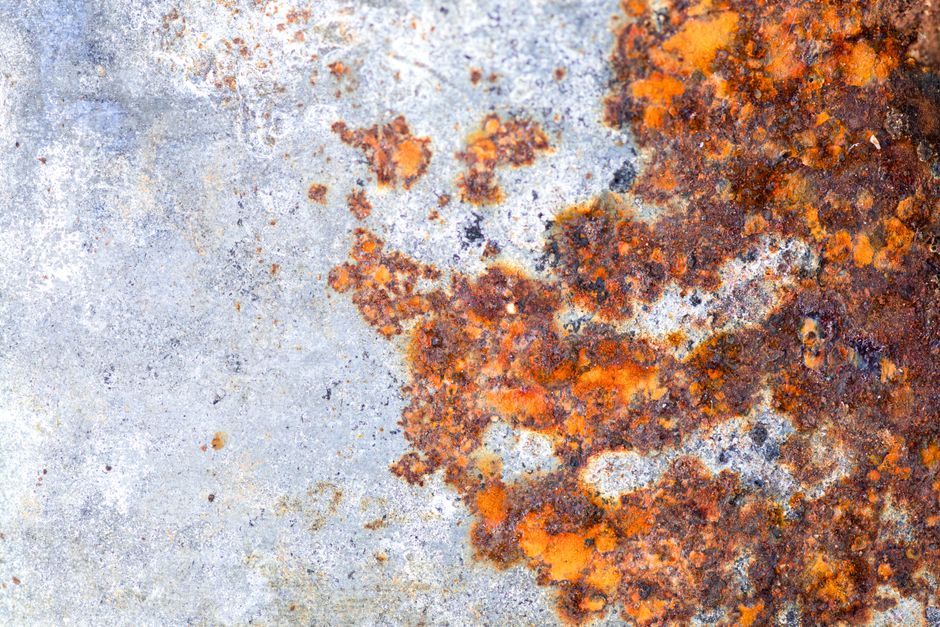
Photo by tal molcho on Pexels
- Presence of Water/Moisture: Essential for the electrochemical process.
- Presence of Oxygen: Acts as the electron acceptor.
- Presence of Electrolytes: Salts (like in saltwater) increase the rate of corrosion by improving electrical conductivity.
- Acids/Bases: Can accelerate or inhibit corrosion depending on the metal and concentration.
- Temperature: Higher temperatures generally increase the rate of corrosion.
- Dissimilar Metals: When two different metals are in contact in an electrolyte, the more reactive metal corrodes faster (galvanic corrosion).
Preventing Corrosion

Photo by Bich Tran on Pexels
Since corrosion requires oxygen and water, preventing one or both of these from reaching the metal surface is key.
-
Barrier Protection:
- Painting: A layer of paint prevents air and moisture from contacting the metal.
- Greasing/Oiling: Forms a protective layer, often used for machine parts.
- Plastic Coating: Similar to paint, provides a physical barrier.
- Electroplating: Coating a metal with a layer of a less reactive metal (e.g., chrome plating on steel, tin plating on iron cans).
- Galvanising: Coating iron with a layer of zinc. Zinc is more reactive than iron, so it corrodes preferentially, protecting the iron even if the coating is scratched (this is sacrificial protection).
-
Sacrificial Protection:
- As mentioned with galvanising, a more reactive metal is deliberately connected to the metal you want to protect. The more reactive metal corrodes instead of the protected metal.
-
Alloying:
- Mixing metals to create alloys with better corrosion resistance. For example, stainless steel is an alloy of iron, chromium, and nickel. Chromium forms a thin, protective, unreactive oxide layer (passivation layer) on the surface, preventing further corrosion.
3. Worked Example
Imagine you have an iron gate exposed to the elements. Over time, you notice reddish-brown flakes forming on its surface. This is rust.
To prevent this, you decide to paint the gate. Let's say you choose a rust-resistant primer followed by a topcoat.
- Preparation: You first clean the gate thoroughly, removing any existing rust with a wire brush and sanding, then wipe it clean to ensure no dirt or grease is present.
- Primer Application: You apply a layer of rust-inhibiting primer. This primer often contains chemicals that convert existing rust or prevent new rust from forming. More importantly, it acts as the first barrier against oxygen and moisture.
- Topcoat Application: After the primer dries, you apply one or two coats of durable outdoor paint. This paint forms a strong, continuous film over the metal.
Why this works: The layers of primer and paint create a physical barrier. Oxygen and water, which are essential for the electrochemical process of rusting, can no longer directly contact the iron surface. Even if a tiny bit of moisture gets through, the primer's rust inhibitors provide extra protection. This protection lasts until the paint layer cracks or peels off, at which point the iron would be re-exposed.
4. Key Takeaways
- Corrosion is the degradation of a metal due to its reaction with its environment, typically involving oxidation.
- Rusting is the specific term for the corrosion of iron, which requires both oxygen and water.
- Corrosion is an electrochemical process, involving the transfer of electrons.
- Factors like moisture, oxygen, electrolytes, and temperature can speed up corrosion.
- Preventing corrosion involves creating barriers, using sacrificial metals, or alloying metals.
Common Mistakes to Avoid:
* Thinking rust is just any metal corroding; it's specific to iron.
* Believing rust can happen in dry air; water/moisture is a critical component.
* Assuming paint offers permanent protection; it needs maintenance and reapplication.
* Confusing galvanising with simple plating; galvanising offers sacrificial protection, not just a barrier.
5. Now Try It
You have a set of old iron garden tools that are starting to show signs of rust. Your task is to plan a step-by-step process to clean and protect them from further corrosion using common household items. Think about what you've learned about preventing corrosion and list the materials you'd need and the exact actions you'd take for each step. What would success look like after you're done?
Frequently asked about Corrosion
More from metals and non metals 10th cbse
Get the full metals and non metals 10th cbse curriculum
Clone the complete plan to your dashboard for unlimited AI-generated notes, practice quizzes, and a personalised revision schedule.
Save this course free