Types of Solutions and Examples
From the science ch the amazing world of solute ,solvent and solution class 8 curriculum
TL;DR
Solutions aren't all the same; they vary based on how much solute is dissolved in the solvent. We'll explore unsaturated, saturated, and supersaturated solutions, each with distinct characteristics. Understanding these types helps us predict how much more of a substance can dissolve.
1. The Mental Model
Imagine you're adding sugar to your tea. Depending on how much sugar you add, your tea can still dissolve more, can't dissolve any more, or might even have extra sugar settled at the bottom. These scenarios perfectly describe the different types of solutions we'll discuss.
2. The Core Material
When you mix a solute (like salt) into a solvent (like water), you create a solution. The key difference between solution types lies in the concentration of the solute – specifically, how much solute is dissolved compared to the maximum amount that can dissolve at a given temperature.
Let's break down the main types:
Unsaturated Solutions
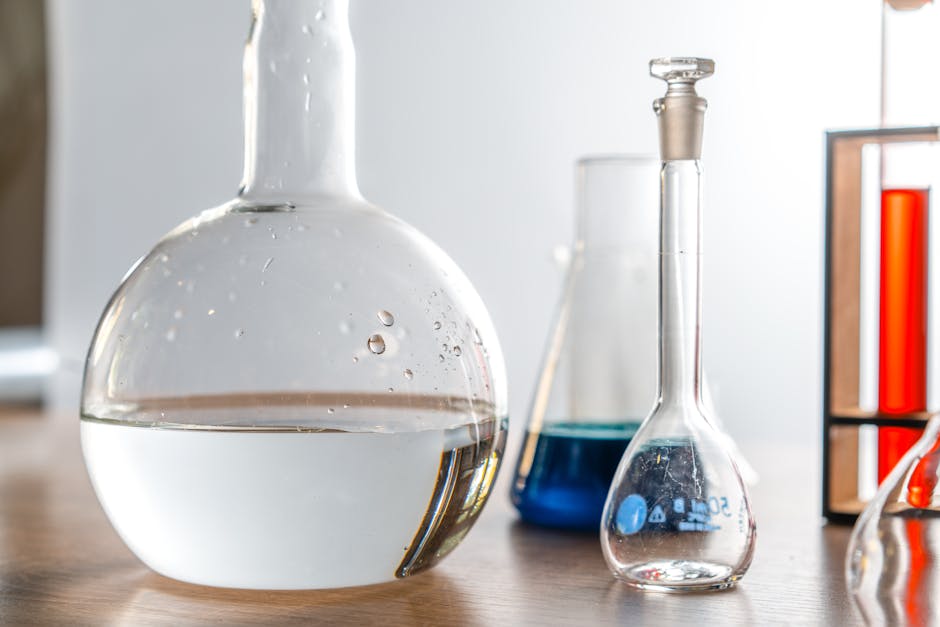
Photo by Ivan S on Pexels
An unsaturated solution is one where you can still dissolve more solute into the solvent at the current temperature. Think of adding just a pinch of salt to a glass of water; the salt dissolves easily, and you know you could add more without it settling at the bottom. The solvent still has "room" to hold more solute.
Saturated Solutions
Photo by Ivan S on Pexels
A saturated solution is formed when the solvent has dissolved the maximum amount of solute it possibly can at a specific temperature. If you try to add any more solute to a saturated solution, it won't dissolve and will just settle at the bottom. It's like your glass of water having so much salt that no more can disappear into the water; any extra salt just sits there. At this point, the rates of dissolving and crystallization become equal, a state called dynamic equilibrium.
Supersaturated Solutions
Photo by Ivan S on Pexels
A supersaturated solution is a bit special. It contains more dissolved solute than a saturated solution would normally hold at that temperature. How is this possible? Usually, you create a supersaturated solution by heating a saturated solution, dissolving more solute, and then carefully cooling it down without the extra solute crystallizing out. These solutions are very unstable. Even a tiny disturbance, like adding a single crystal of the solute or scratching the container, can cause the excess solute to rapidly crystallize out, returning the solution to a saturated state.
Here's a diagram to help you visualize the relationship between these types:
graph TD
    A["Solvent + Solute"] --> B{Amount of Solute Dissolved?};
    B --> C{"Less than Max Capacity"};
    C --> D["Unsaturated Solution (Can dissolve more)"];
    B --> E{"At Max Capacity"};
    E --> F["Saturated Solution (No more can dissolve)"];
    F --> G{"Carefully Cool Saturated Solution"};
    G --> H["Supersaturated Solution (Unstable, holds excess)"];
    H --> I{"Disturbance (e.g., adding a crystal)"};
    I --> J["Excess Solute Crystallizes Out"];
    J --> F;
3. Worked Example
Imagine you have 100g of water at 20°C.
The maximum amount of sugar (sucrose) that can dissolve in 100g of water at 20°C is approximately 204g. This is its solubility limit.
-
Unsaturated: If you dissolve 50g of sugar in 100g of water at 20°C, you have an unsaturated solution. You could still add another 154g (204g - 50g) of sugar and it would dissolve.
-
Saturated: If you dissolve exactly 204g of sugar in 100g of water at 20°C, you have a saturated solution. If you try to add even 1 gram more, it won't dissolve and will just sit at the bottom.
-
Supersaturated: Let's say you heat the 100g of water to 80°C. At this temperature, you can dissolve much more sugar, perhaps 360g. You dissolve 300g of sugar in the hot water and then carefully cool the solution back down to 20°C without any sugar crystallizing. Now you have a supersaturated solution containing 300g of sugar dissolved in 100g of water at 20°C. Since the solubility limit at 20°C is 204g, this solution holds 96g (300g - 204g) more sugar than it normally should. If you drop a tiny sugar crystal into it, that 96g of sugar will rapidly crystallize out!
4. Key Takeaways
- Unsaturated solutions can dissolve more solute at a given temperature.
- Saturated solutions have dissolved the maximum amount of solute possible at a given temperature.
- Supersaturated solutions contain more dissolved solute than normal saturation, making them unstable.
- Temperature plays a crucial role; increasing temperature often increases the solubility of solid solutes.
- The "excess" solute in a supersaturated solution can easily crystallize out with a slight disturbance.
- Solubility is the maximum amount of solute that can dissolve in a given amount of solvent at a specific temperature.
Common mistakes to avoid:
- Confusing saturated with concentrated: A solution can be concentrated but still unsaturated if it can dissolve more solute.
- Believing that supersaturated solutions are common and stable; they are quite rare and unstable.
- Forgetting that solubility limits are temperature-dependent; a solution saturated at one temperature might be unsaturated or supersaturated at another.
5. Now Try It
Take a small glass of water and some table salt. Add half a teaspoon of salt to the water and stir until it dissolves completely. Keep adding small amounts of salt, stirring well after each addition. Observe what happens. Identify when your solution becomes unsaturated, then saturated. What happens when you try to add salt beyond the saturated point? Describe your observations in a few sentences.
Frequently asked about Types of Solutions and Examples
Study this next
Get the full science ch the amazing world of solute ,solvent and solution class 8 curriculum
Clone the complete plan to your dashboard for unlimited AI-generated notes, practice quizzes, and a personalised revision schedule.
Save this course free