Introduction to Mixtures and Solutions
From the science ch the amazing world of solute ,solvent and solution class 8 curriculum
TL;DR
You're going to learn about how different substances combine, forming either mixtures where they keep their identity, or solutions where one substance dissolves into another. Understanding these concepts helps you make sense of everyday things like juice, air, and even the salt in ocean water.
1. The Mental Model
Imagine you're mixing things. Sometimes they just sit together, like toys in a box. Other times, one thing seems to disappear into another, like sugar in hot tea. These two ideas – things just hanging out together, and things dissolving – are what we'll explore.
2. The Core Material
When you combine two or more substances, you create a mixture. The cool thing about mixtures is that the original substances keep their own properties. They don't chemically change into something new. Think about making a fruit salad: you have apples, bananas, and grapes. They're all together, but they're still apples, bananas, and grapes.
There are two main types of mixtures:
a. Heterogeneous Mixtures
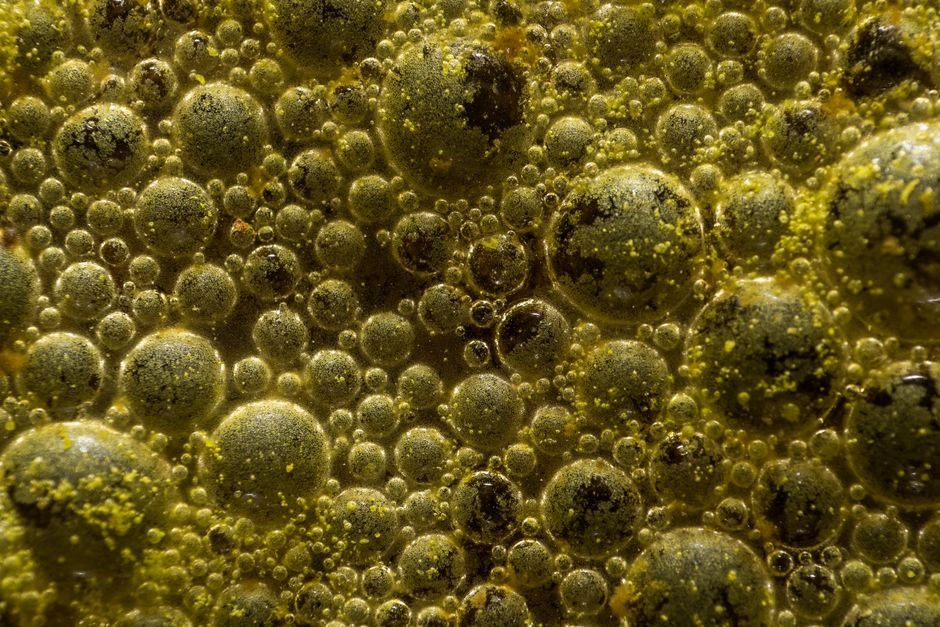
Photo by David Bartus on Pexels
In a heterogeneous mixture, you can easily see the different parts. They don't blend uniformly. Imagine a bowl of cereal with milk – you can see the cereal pieces and the milk separately. Muddy water is another great example; you can see the dirt particles floating in the water.
b. Homogeneous Mixtures (Solutions)
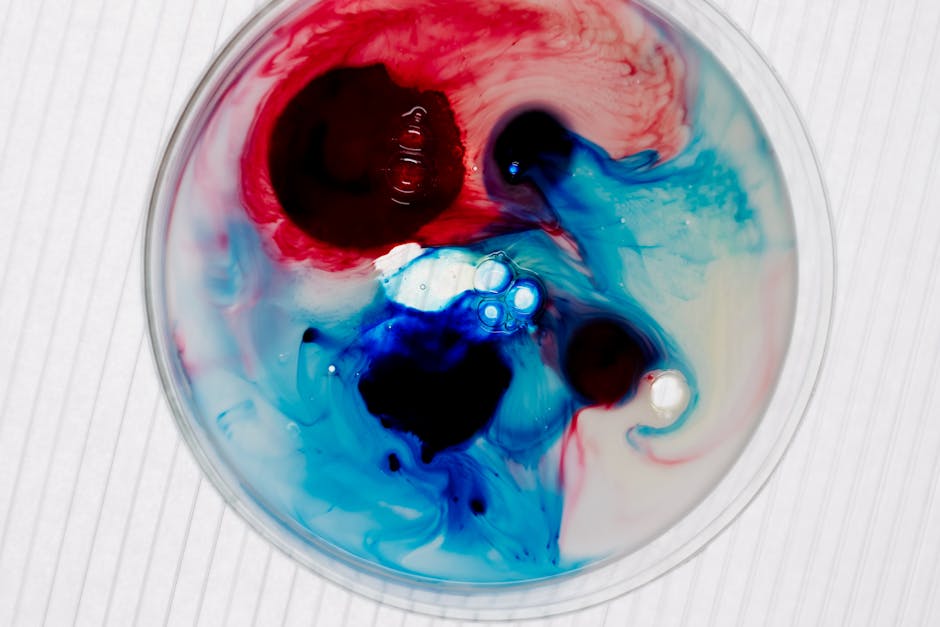
Photo by Ron Lach on Pexels
A homogeneous mixture looks the same throughout. You can't easily distinguish the different components with your eyes. These are so well-blended that they have a uniform composition. The most common type of homogeneous mixture is a solution.
What is a Solution?
A solution is a special type of homogeneous mixture where one substance, called the solute, dissolves completely into another substance, called the solvent. The solvent is usually present in a larger amount.
Here's a breakdown:
* Solute: The substance that gets dissolved. Think of sugar or salt.
* Solvent: The substance that does the dissolving. Water is often called the "universal solvent" because it dissolves so many things.
When you mix sugar (solute) in water (solvent), the sugar particles spread out evenly among the water particles, becoming invisible to the naked eye. The whole mixture then looks like clear water, but it tastes sweet!
graph TD
    A["Substances Combined"] --> B{Type of Mixture?}

    B -- "Uniform Appearance (Looks the same throughout)" --> C["Homogeneous Mixture"]
    C --> D["Solution (Solute dissolves in Solvent)"]

    B -- "Non-uniform Appearance (Can see different parts)" --> E["Heterogeneous Mixture"]
    E --> F["Example: Muddy Water, Oil and Water"]
    D --> G["Example: Saltwater, Sugar Water, Air"]
Factors Affecting Dissolving
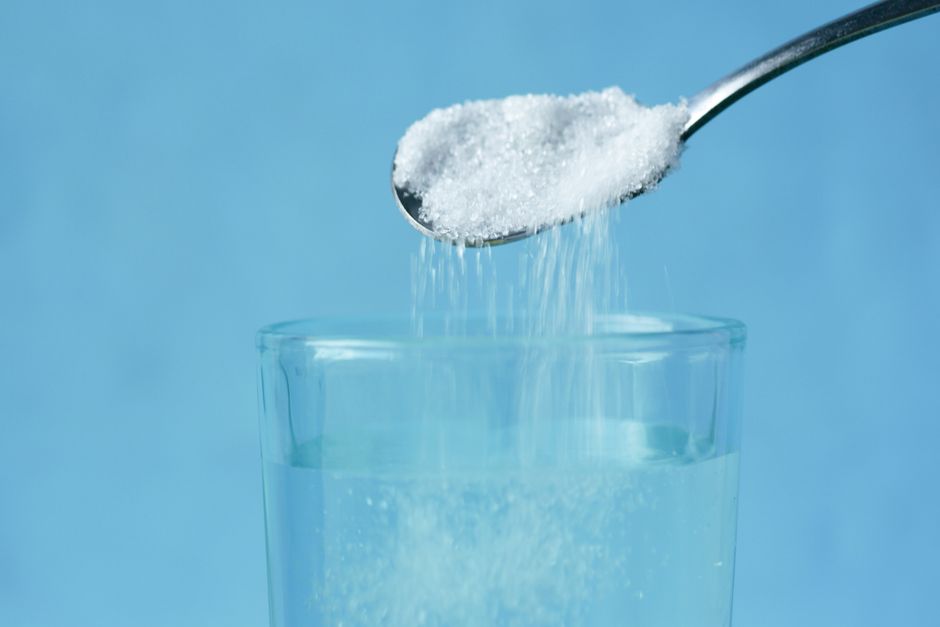
Photo by Towfiqu barbhuiya on Pexels
A few things can help a solute dissolve faster or better in a solvent:
- Temperature: Usually, increasing the temperature makes solutes dissolve faster (think of sugar dissolving quicker in hot tea than cold tea).
- Stirring: Stirring helps the solute particles mix more quickly with the solvent particles.
- Particle Size: Crushing a solid solute into smaller pieces increases its surface area, allowing it to dissolve faster.
3. Worked Example
Let's say you're making lemonade. You have:
* Water (around 1 liter)
* Sugar (1/2 cup)
* Lemon juice (1/4 cup)
-
Identify the solvent: Water is the substance present in the largest amount, and it's what dissolves the other ingredients. So, water is the solvent.
-
Identify the solutes: The sugar and lemon juice are the substances that will dissolve into the water. So, sugar and lemon juice are the solutes.
-
Mixing process: You add the sugar and lemon juice to the water. You stir it well. The sugar crystals seem to disappear, and the lemon juice blends completely.
-
Result: You get a clear, uniform lemonade. You can't see separate sugar crystals or lemon juice swirls. This is a perfect example of a solution, which is a type of homogeneous mixture.
4. Key Takeaways
- A mixture is formed when two or more substances combine but keep their individual properties.
- Heterogeneous mixtures have visible, distinct parts (e.g., sand and water).
- Homogeneous mixtures look uniform throughout and their components are not easily distinguishable.
- A solution is a special type of homogeneous mixture where a solute dissolves completely into a solvent.
- The solvent is typically the substance in greater quantity, and the solute is the substance that dissolves.
- Water is often called the "universal solvent" due to its ability to dissolve many substances.
- Stirring, increasing temperature, and reducing particle size can help solutes dissolve faster.
Common mistakes to avoid:
- Confusing a mixture with a chemical reaction where new substances are formed.
- Thinking all mixtures are solutions; only homogeneous mixtures where dissolving occurs are solutions.
- Believing that if you can't see the components, it's always a solution (some suspensions can look uniform initially).
- Not understanding that the solute disappears by spreading out, not by ceasing to exist.
5. Now Try It
Go to your kitchen and find a clear glass, some water, and a spoonful of salt. Pour the water into the glass, then add the salt. Stir it for a minute. Observe what happens to the salt. What roles do the water and salt play (solute/solvent)? Is the final mixture homogeneous or heterogeneous? Describe what success looks like by explaining why the salt "disappeared" and what kind of mixture you made.
Frequently asked about Introduction to Mixtures and Solutions
Study this next
Get the full science ch the amazing world of solute ,solvent and solution class 8 curriculum
Clone the complete plan to your dashboard for unlimited AI-generated notes, practice quizzes, and a personalised revision schedule.
Save this course free