Defining Solute and Solvent
From the science ch the amazing world of solute ,solvent and solution class 8 curriculum
TL;DR
When you mix things to make a solution, the solute is the substance that gets dissolved, and the solvent is the substance that does the dissolving. Think of the solvent as the "boss" that makes room for the solute. Together, they create a uniform mixture called a solution.
1. The Mental Model
Imagine you're making a glass of lemonade. You have water and lemon powder. The water is the "host" that welcomes the lemon powder, making it disappear. The water is the solvent, the lemon powder is the solute.
2. The Core Material
When you hear "solution" in science, it's not about solving a problem, but about a special kind of mixture. A solution is a uniform mixture where one substance is completely dissolved in another. You can't see the individual parts anymore, like sugar disappearing in water.
To understand solutions, we need to know the two main players:
What is a Solute?

Photo by Tara Winstead on Pexels
The solute is the substance that dissolves. It's usually present in a smaller amount compared to the solvent. Think about adding a spoonful of sugar to a cup of tea. The sugar is the solute because it's going to dissolve in the tea (or rather, the water in the tea).
Here are some characteristics of a solute:
* It's the substance being dissolved.
* It's typically present in a smaller quantity.
* It can be a solid (like salt), a liquid (like alcohol in water), or a gas (like carbon dioxide in soda).
* It "disappears" into the solvent, becoming evenly spread out.
What is a Solvent?
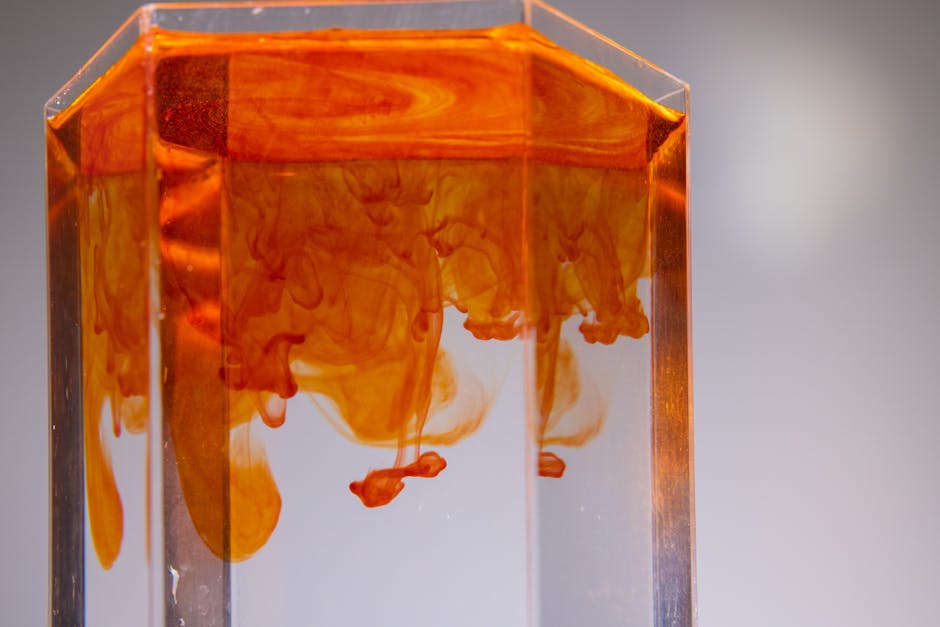
Photo by Jill Burrow on Pexels
The solvent is the substance that does the dissolving. It's usually present in a larger amount. Water is often called the "universal solvent" because it can dissolve so many different substances. In our tea example, the water is the solvent because it's dissolving the sugar.
Here are some characteristics of a solvent:
* It's the substance doing the dissolving.
* It's typically present in a larger quantity.
* It determines the physical state of the solution (e.g., if water is the solvent, the solution will be a liquid).
* It breaks down the solute into tiny particles and spreads them out.
Let's visualize how they work together:
graph TD
    A["Solute (e.g., Sugar)"] --> B["Dissolves in"]
    B --> C["Solvent (e.g., Water)"]
    C --> D["Forms a Solution (e.g., Sugar Water)"]
Different Types of Solutions
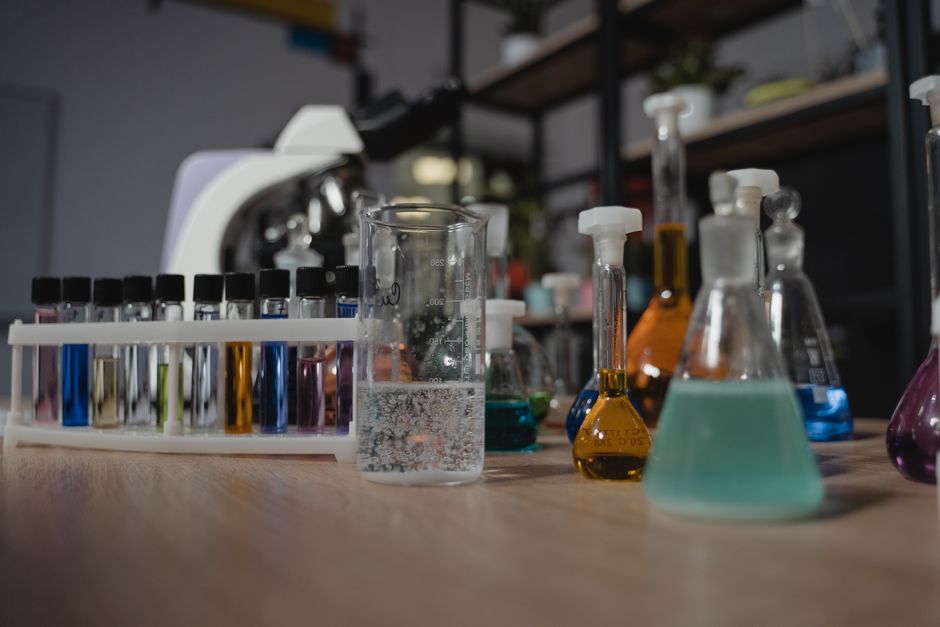
Photo by Tima Miroshnichenko on Pexels
You might think solutions are always liquids, but they can be other states too!
* Solid solutions: Like alloys (mixtures of metals), where one metal dissolves into another. Bronze is a solution of tin (solute) in copper (solvent).
* Gaseous solutions: Like air, which is a solution of several gases (solutes like oxygen, argon, CO2) dissolved in nitrogen (solvent).
But for now, we'll mostly focus on liquid solutions, which are the most common in daily life and science.
3. Worked Example
Let's say you want to make some saltwater to gargle with. You take a glass of water and add a pinch of salt.
- Identify the substances: You have water and salt.
- Determine which is in a smaller amount: You added a pinch of salt to a glass of water, so the salt is the smaller amount.
- Determine which is doing the dissolving: The water is making the salt "disappear" and spread out.
Therefore, in this example:
* The solute is the salt.
* The solvent is the water.
* The solution is the saltwater.
4. Key Takeaways
- A solution is a uniform mixture where one substance is completely dissolved in another.
- The solute is the substance that gets dissolved, usually present in a smaller amount.
- The solvent is the substance that does the dissolving, usually present in a larger amount.
- Water is known as the "universal solvent" because it can dissolve many substances.
- Solutions aren't always liquids; they can be solids (like alloys) or gases (like air).
- The physical state of the solvent usually determines the physical state of the final solution.
Common mistakes to avoid:
* Confusing solute and solvent: Always remember the solvent is the one doing the dissolving (and usually there's more of it).
* Thinking all mixtures are solutions: A solution is a specific type of mixture where the components are uniformly spread and can't be easily separated.
* Believing solvents must always be liquids: While common, they can be gases or solids too.
5. Now Try It
Think about making a cup of instant coffee. You add a spoonful of instant coffee powder to hot water. Your task is to identify the solute, solvent, and the resulting solution. Write down your answers and explain why each is what you say it is based on what you just learned.
What success looks like: You should be able to clearly identify the solute (what's being dissolved), the solvent (what's doing the dissolving), and the final solution, along with a brief reason for each choice.
Frequently asked about Defining Solute and Solvent
Study this next
Get the full science ch the amazing world of solute ,solvent and solution class 8 curriculum
Clone the complete plan to your dashboard for unlimited AI-generated notes, practice quizzes, and a personalised revision schedule.
Save this course free