Demographics, Economics, and Cultural Diversity
From the Countries curriculum
TL;DR
Understanding a country means looking at its people (demographics), how it makes and spends money (economics), and its unique traditions and values (culture). These three aspects are deeply connected, influencing each other to shape a nation's present and future. Changes in one area, like an aging population, can have big impacts on the others, like economic growth or cultural shifts.
1. The Mental Model
Think of a country as a living system, with demographics as its body, economics as its metabolism, and culture as its personality. They're not separate parts, but constantly interacting forces that define a nation.
2. The Core Material
When you analyze a country, you're trying to understand how its human story, its financial story, and its social story intertwine.
Demographics: The Human Story
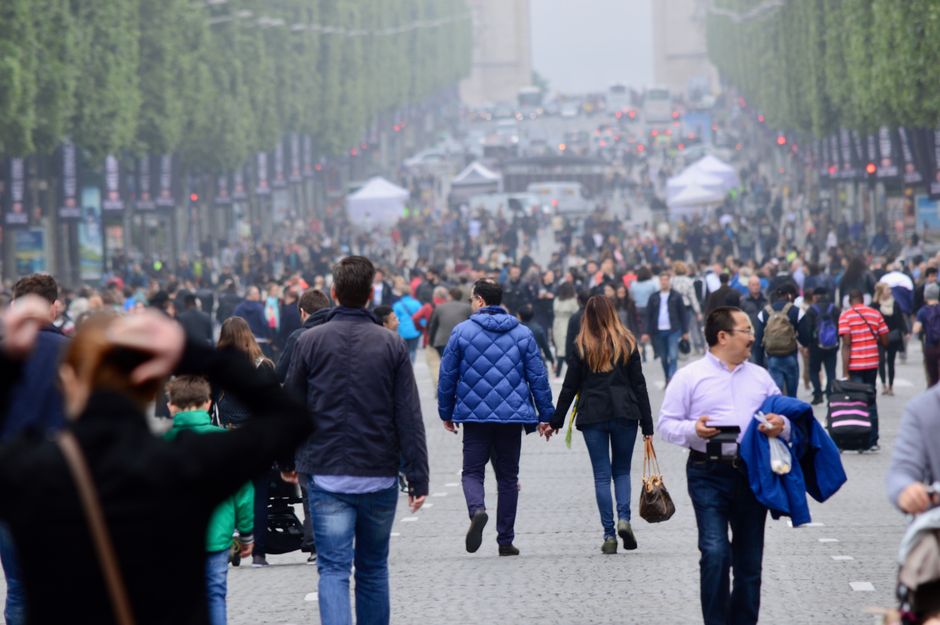
Photo by Moin Uddin on Pexels
Demographics is about the characteristics of a population. Key things to look at:
* Population Size & Growth: Is the population getting bigger or smaller? How fast? This affects everything from resource demand to political power.
* Age Structure: How many young people, working-age adults, and elderly people are there? A "young" population (lots of kids) needs schools and jobs, while an "aging" population (lots of seniors) needs healthcare and pensions.
* Urban vs. Rural: Where do people live? Urbanization (people moving to cities) changes infrastructure needs, job markets, and lifestyles.
* Birth & Death Rates: How many babies are born, and how many people die? These are core drivers of population change.
* Migration: Are people moving into or out of the country? This can bring new workers, skills, or challenges.
Demographic trends have huge consequences. For example, an aging population means fewer workers contributing to taxes and more people needing social security and healthcare, putting pressure on the economy.
Economics: The Financial Story

Photo by Rômulo Queiroz on Pexels
Economics is how a country manages its resources to produce, distribute, and consume goods and services.
* GDP (Gross Domestic Product): This is the total value of all goods and services produced in a country in a year. It's a key measure of economic health. GDP per capita (GDP divided by population) gives you an idea of the average wealth per person.
* Economic Sectors: What are the main ways the country makes money?
* Primary: Agriculture, mining (raw materials)
* Secondary: Manufacturing (factories)
* Tertiary: Services (tourism, finance, healthcare)
* Quaternary: Information, research (tech, education)
* A shift from primary to tertiary/quaternary often signals development.
* Income Inequality: How is wealth distributed? A large gap between rich and poor can lead to social instability.
* Trade: What does the country import and export? Its trade relationships influence its economic strength and global position.
* Employment & Unemployment Rates: How many people have jobs? High unemployment is a sign of economic trouble.
Cultural Diversity: The Social Story

Photo by Anastasia Shuraeva on Pexels
Culture encompasses the shared values, beliefs, customs, arts, and social institutions of a group of people.
* Languages: How many languages are spoken? Language can be a powerful marker of identity and sometimes a source of division.
* Religions: What are the dominant religions? Religion often influences laws, social norms, and daily life.
* Traditions & Customs: Holidays, ceremonies, food, dress – these reflect a country's heritage.
* Social Norms: What's considered polite or rude? How do people interact? These unwritten rules guide behavior.
* Arts & Media: Music, literature, film – these express a society's values and creativity.
Cultural diversity can be a source of strength, bringing new ideas and perspectives, but it can also lead to challenges if different groups don't understand or respect each other.
The Interconnections
Photo by Lara Jameson on Pexels
These three areas are constantly talking to each other. Here's a quick way to visualize it:
graph LR
    A["Demographics (Population changes)"] --> B["Economics (Resource allocation, growth)"]
    B --> C["Cultural Diversity (Social norms, values)"]
    C --> A
    A --> C
    B --> A
    C --> B
- Demographics affecting Economics: An aging population (demographics) can strain pension systems and reduce the workforce (economics). A young, growing population might fuel economic expansion if there are enough jobs.
- Economics affecting Demographics: Economic opportunities (economics) can attract migrants (demographics). Economic downturns might lead to lower birth rates as people delay having families.
- Culture affecting Demographics: Cultural values around family size or gender roles (culture) can influence birth rates (demographics).
- Culture affecting Economics: A culture that values education and innovation (culture) can boost economic growth (economics). Cultural preferences for certain goods can shape industries.
- Demographics affecting Culture: Migration (demographics) brings new cultural traditions and languages (culture), enriching or challenging existing norms.
- Economics affecting Culture: Wealth (economics) can fund arts and cultural institutions (culture). Economic development often changes lifestyles and values.
3. Worked Example
Let's look at Japan.
* Demographics: Japan has one of the world's most rapidly aging populations, with a very low birth rate. Its population is actually shrinking.
* Economics: It's a highly developed, export-oriented economy, strong in manufacturing (especially high-tech) and services. However, the shrinking workforce and increased burden of social security for the elderly pose significant economic challenges. There's also a high national debt.
* Cultural Diversity: Japan has a relatively homogeneous culture with a strong emphasis on tradition, group harmony, and respect for elders. While it's becoming more open, immigration has historically been low, which ties back to its demographic challenges and labor shortages.
The demographic trend (aging, shrinking population) directly impacts its economics (labor shortages, pressure on social welfare, potential for lower innovation due to fewer young people) and even its culture (traditionally low immigration means less cultural diversification, potentially slowing solutions to labor issues).
4. Key Takeaways
- Demographics, economics, and cultural diversity are interconnected pillars of a nation's identity and future.
- Population age structure dramatically impacts economic output and social services.
- Economic health (like GDP and employment) influences a country's ability to provide for its citizens.
- Cultural values and traditions shape social behavior, political decisions, and economic priorities.
- Changes in one area will inevitably ripple through the other two, often in complex ways.
- A country's level of development is often reflected in its economic sectors (e.g., from agriculture to services).
- Understanding these three elements together provides a holistic view of a country's challenges and opportunities.
Common Mistakes to Avoid:
- Treating them as separate: Don't analyze demographics without considering its economic impact or cultural context.
- Overlooking internal diversity: Remember that "a country" isn't a monolith; there can be significant regional demographic, economic, and cultural differences.
- Ignoring historical context: Current trends often have roots in past events, policies, or cultural developments.
- Confusing correlation with causation: Just because two factors change together doesn't mean one directly caused the other.
5. Now Try It
Choose a country you're interested in (e.g., Brazil, Germany, India). Spend 15 minutes researching its current demographic trends (e.g., population growth/decline, age structure), its major economic activities (e.g., key industries, GDP per capita), and one or two significant aspects of its cultural diversity (e.g., languages, religious groups). Then, briefly jot down how you think one of these areas is influencing another. For example, how might its age structure impact its economic growth, or how might its cultural diversity affect its social cohesion? Success looks like connecting at least two of the three elements with a plausible explanation.
Frequently asked about Demographics, Economics, and Cultural Diversity
Study this next
Get the full Countries curriculum
Clone the complete plan to your dashboard for unlimited AI-generated notes, practice quizzes, and a personalised revision schedule.
Save this course free