Earth's Environmental Diversity
From the Science chapter 11 curriculum
TL;DR
Earth's environments are incredibly diverse, from scorching deserts to freezing poles, supporting a vast array of life. This diversity is shaped by factors like climate, geography, and human activity, creating unique ecosystems. Understanding these variations helps us appreciate and protect our planet's natural world.
1. The Mental Model
Think of Earth as a giant patchwork quilt, with each patch representing a different environment. These patches aren't random; they're stitched together by specific conditions like temperature and water availability, creating distinct homes for different kinds of plants and animals.
2. The Core Material
Earth's environmental diversity refers to the vast range of natural conditions and ecosystems found across the globe. This diversity is driven by several interacting factors.
Climate Zones
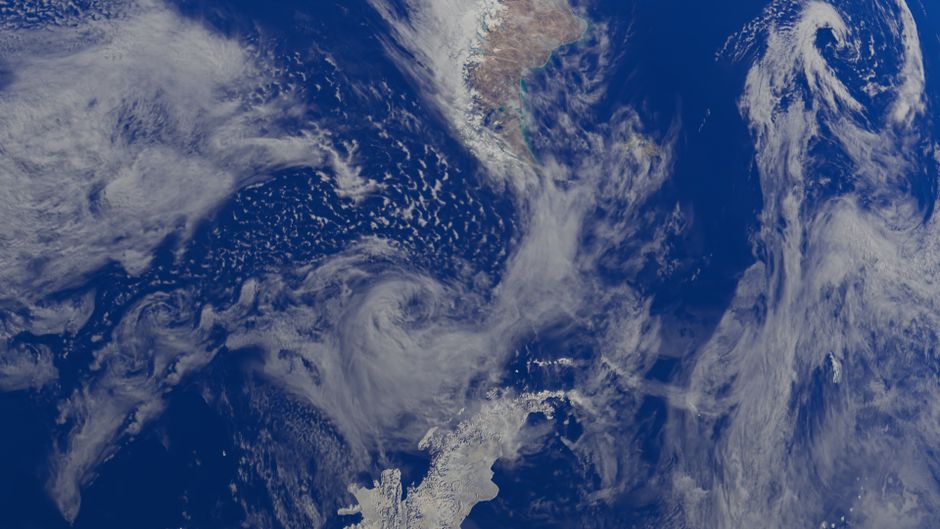
Photo by Zelch Csaba on Pexels
Climate is a major player, dictating temperature, precipitation, and wind patterns over long periods. Scientists often categorize Earth's climates into major zones:
- Tropical: Hot and humid, often with high rainfall, found near the equator. Think rainforests.
- Dry/Arid: Very little precipitation, often with extreme temperatures (hot days, cold nights). Think deserts and steppes.
- Temperate: Distinct seasons with moderate temperatures and rainfall. Think deciduous forests.
- Continental: Often found inland, with larger temperature differences between summer and winter, and moderate precipitation.
- Polar: Extremely cold with permanent ice and snow. Think tundras and ice caps.
These climate zones directly influence the types of biomes found there. A biome is a large ecological region characterized by its dominant plant life and climate, like a forest, grassland, desert, or tundra.
Geographic Factors

Photo by Alexander Popadin on Pexels
Beyond climate, geography also shapes diversity:
- Altitude: Higher elevations are generally colder and have less oxygen. This leads to distinct vegetation zones on mountains.
- Proximity to water: Coastal areas have more stable temperatures and higher humidity than inland regions. Large bodies of water can also create specific microclimates.
- Landforms: Mountains, valleys, and plains influence air currents, rainfall distribution, and even soil types, creating varied habitats.
Human Impact
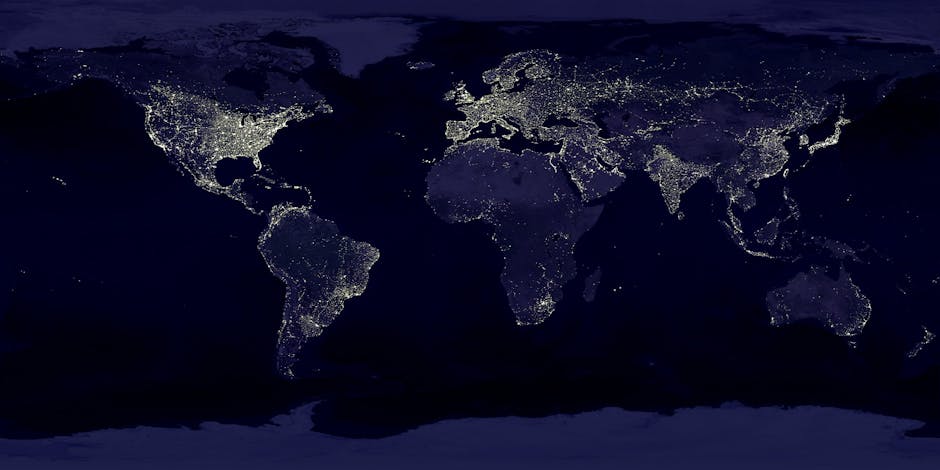
Photo by Pixabay on Pexels
Sadly, human activities are also a significant factor in changing and sometimes reducing environmental diversity. Things like deforestation, pollution, urbanization, and climate change alter natural environments, sometimes irreversibly.
Here's a simple way to visualize how these factors interact:
graph TD
    A["Solar Radiation & Earth's Tilt"] --> B["Global Climate Patterns"]
    B --> C["Temperature"]
    B --> D["Precipitation"]
    C & D --> E["Climate Zones (e.g., Tropical, Polar)"]
    E --> F["Biomes (e.g., Rainforest, Tundra)"]
    G["Altitude"] --> F
    H["Proximity to Water"] --> F
    I["Landforms"] --> F
    J["Human Activity"] --> F
    F --> K["Environmental Diversity"]
3. Worked Example
Imagine you're exploring a mountainous region near the equator, like the Andes. As you start at the base, you might find a tropical rainforest biome due to the hot, humid conditions and abundant rainfall. As you ascend, the temperature drops, and the vegetation changes. You might pass through cloud forests, then temperate forests, and eventually reach alpine meadows and even perpetual snow and ice at the highest elevations. This single journey demonstrates how altitude, combined with the initial tropical climate, creates a rapid and dramatic change in environmental diversity over a short distance.
4. Key Takeaways
- Earth's environmental diversity refers to the wide variety of natural conditions and ecosystems on the planet.
- Climate is a primary driver, with major zones like tropical, dry, temperate, continental, and polar.
- Biomes are large regions defined by their dominant plant life and climate, directly influenced by climate zones.
- Geographic features like altitude, proximity to water, and landforms also significantly shape local environments.
- Human activities, such as deforestation and pollution, are major factors impacting environmental diversity.
- Understanding this diversity helps us appreciate the complexity of ecosystems and the importance of conservation.
Common mistakes to avoid:
- Don't confuse weather (short-term) with climate (long-term patterns).
- Thinking that environmental diversity only refers to living things; it also includes non-living physical conditions.
- Forgetting that all these factors interact; they don't work in isolation.
- Underestimating the significant and often negative impact of human actions.
5. Now Try It
Choose a specific country or large region you know well (e.g., the United States, Australia, or a continent). In 3-4 sentences, describe its dominant climate zone(s) and how at least two geographic factors (like mountains, coasts, or deserts) contribute to its environmental diversity. What kind of biomes would you expect to find there?
What success looks like: You'll have identified appropriate climate zones and correctly linked them with specific geographic features that create distinct types of environments within that region.
Frequently asked about Earth's Environmental Diversity
Study this next
Get the full Science chapter 11 curriculum
Clone the complete plan to your dashboard for unlimited AI-generated notes, practice quizzes, and a personalised revision schedule.
Save this course free