The Earth and its Dynamic Processes
From the Geography curriculum
TL;DR
Our Earth isn't a static sphere; it's constantly changing due to internal forces like plate tectonics and external forces like weathering. These processes shape landscapes, create natural hazards, and influence climate over vast timescales. Understanding them helps explain why our planet looks and behaves the way it does.
1. The Mental Model
Think of Earth as a giant, living system with a hot, churning core driving massive, slow-moving surface plates. Meanwhile, external forces like water and wind continually sculpt the land above. It's a never-ending dance between building up and breaking down.
2. The Core Material
The Earth's surface and interior are constantly undergoing dynamic processes that shape our planet. We can broadly divide these into endogenic (internal) and exogenic (external) processes.
Endogenic Processes: Driven from Within
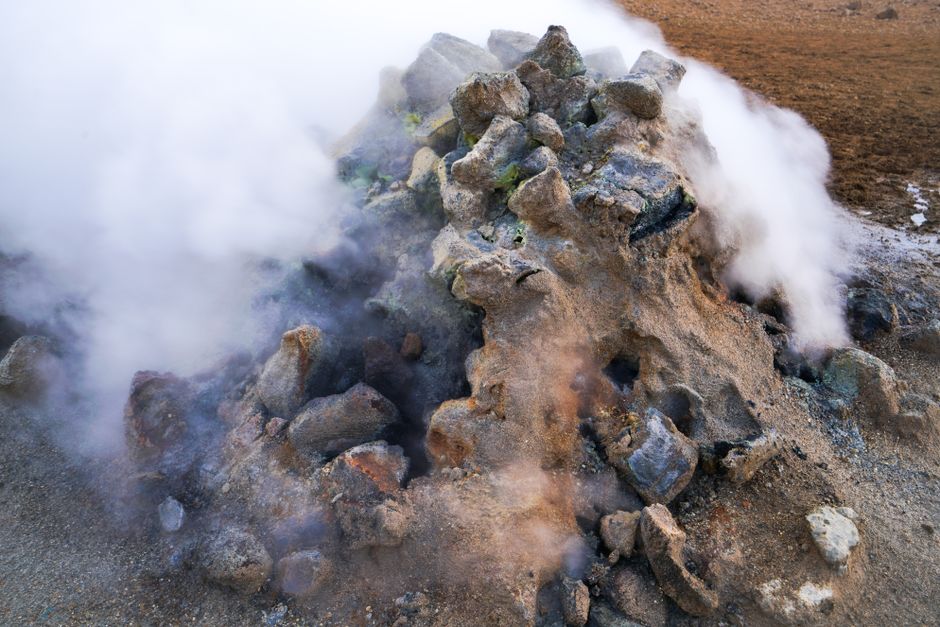
Photo by ArtHouse Studio on Pexels
These processes originate from the Earth's interior, primarily powered by heat from the core.
a. Plate Tectonics
The Earth's outermost layer, the lithosphere, is broken into large pieces called tectonic plates. These plates "float" on the semi-fluid asthenosphere and are constantly moving. This movement is driven by convection currents in the mantle, where hotter, less dense material rises and cooler, denser material sinks.
Plate interactions occur at three main types of plate boundaries:
* Divergent Boundaries: Plates move apart. Magma rises from the mantle, creating new oceanic crust. This happens at mid-ocean ridges (like the Mid-Atlantic Ridge) and forms rift valleys (like the East African Rift).
* Convergent Boundaries: Plates move towards each other.
* Oceanic-Continental: Denser oceanic plate subducts (slides) beneath the lighter continental plate. This forms ocean trenches, volcanic arcs (like the Andes Mountains), and powerful earthquakes.
* Oceanic-Oceanic: One oceanic plate subducts beneath another. This creates ocean trenches and island arcs (like the Mariana Islands).
* Continental-Continental: Neither plate subducts significantly. Instead, the crust crumples and folds, forming massive mountain ranges (like the Himalayas).
* Transform Boundaries: Plates slide past each other horizontally. This movement doesn't create or destroy crust but causes frequent, shallow earthquakes (like the San Andreas Fault).
b. Volcanism
Volcanoes are vents in the Earth's crust where molten rock (magma), ash, and gases erupt. They are most common at divergent and convergent plate boundaries, but can also occur over "hot spots" (like Hawaii) where plumes of magma rise from deep within the mantle.
c. Earthquakes
Earthquakes are sudden tremors of the Earth's surface caused by the rapid release of energy in the Earth's lithosphere. This energy release is usually due to the movement of tectonic plates, where stress builds up along fault lines until the rocks suddenly slip. The point where the earthquake originates underground is the focus, and the point directly above it on the surface is the epicenter.
graph TD
    A["Heat from Earth's Core"] --> B["Mantle Convection Currents"]
    B --> C{"Movement of Tectonic Plates"}
    C --> D["Divergent Boundaries (e.g., Mid-Ocean Ridges)"]
    C --> E["Convergent Boundaries (e.g., Mountain Ranges, Trenches)"]
    C --> F["Transform Boundaries (e.g., Fault Lines)"]
    D --> G["New Crust Creation, Rift Valleys, Volcanoes"]
    E --> H["Crust Destruction (Subduction), Volcanoes, Earthquakes, Mountains"]
    F --> I["Frequent Earthquakes"]
    G --> K["Surface Landscape Change"]
    H --> K
    I --> K
Exogenic Processes: Driven from Outside
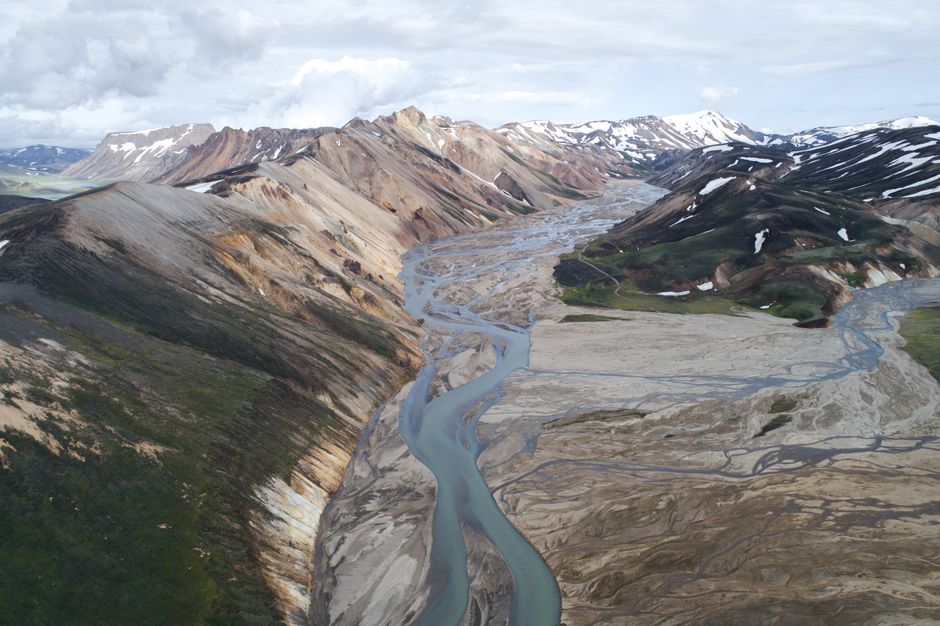
Photo by ArtHouse Studio on Pexels
These processes operate on the Earth's surface, powered by solar energy, gravity, and the hydrological cycle. They primarily involve weathering, erosion, and deposition.
a. Weathering
Weathering is the breaking down of rocks, soil, and minerals through contact with the Earth's atmosphere, biota, and waters. There are two main types:
* Physical (Mechanical) Weathering: Breaks rocks into smaller pieces without changing their chemical composition. Examples include frost wedging (water freezes in cracks, expands, and splits rock), abrasion (rock fragments grinding against each other), and exfoliation (outer layers of rock peel off due to pressure release).
* Chemical Weathering: Changes the chemical composition of rocks. Examples include dissolution (minerals dissolving in water, like limestone forming caves), oxidation (reaction with oxygen, like rusting of iron-rich rocks), and hydrolysis (reaction with water to form new minerals).
b. Erosion
Erosion is the process by which soil and rock are removed from the Earth's surface by natural agents such as water, wind, ice (glaciers), and gravity, and then transported elsewhere.
* Water Erosion: Rivers, streams, and rainwater carry sediment, carving valleys and shaping coastlines.
* Wind Erosion: Wind picks up and carries loose particles, especially in arid regions, creating features like sand dunes.
* Glacial Erosion: Massive sheets of ice slowly move, scouring and carving valleys, creating U-shaped valleys, cirques, and fjords.
* Mass Movement (Gravity): Downhill movement of rock and soil due to gravity, ranging from slow creep to rapid landslides and rockfalls.
c. Deposition
Deposition is the process where eroded material (sediment) is dropped or settled in a new location. This occurs when the transporting agent (water, wind, ice) loses energy. Deposition creates various landforms, such as river deltas, floodplains, sand dunes, and glacial moraines.
These endogenic and exogenic processes work together in a continuous cycle, constantly reshaping our planet's surface.
3. Worked Example
Let's trace the journey of a piece of rock from deep within the Earth to becoming part of a beach.
- Deep Origin (Endogenic): Imagine a piece of magma rising at a mid-ocean ridge (divergent boundary). This magma cools and solidifies, forming new basaltic oceanic crust. This crust is then slowly pushed away from the ridge over millions of years due to plate spreading.
- Subduction and Mountain Building (Endogenic): Eventually, this oceanic plate collides with a continental plate. Being denser, the oceanic plate subducts beneath the continent. The immense pressure and friction cause the overlying continental crust to crumple and uplift, forming a mountain range (e.g., the Andes). Deep within this new mountain range, existing rocks are subjected to heat and pressure, metamorphosing into new rock types.
- Uplift and Exposure (Endogenic/Exogenic transition): Over more millions of years, the mountain range continues to uplift. As it rises, it becomes exposed to the surface.
- Weathering (Exogenic): Rain, wind, and temperature changes begin to attack the exposed rocks. Water seeps into cracks and freezes (frost wedging), breaking off smaller pieces. Oxygen in the air reacts with iron-rich minerals (oxidation), weakening the rock.
- Erosion and Transport (Exogenic): A mountain stream carries these weathered fragments downhill. As the stream flows, it continuously picks up more sediment, eroding its bed and banks. The rock fragments become smaller and more rounded as they collide with each other and the streambed (abrasion).
- Deposition (Exogenic): Eventually, the stream slows down as it reaches the ocean. Losing energy, it can no longer carry the sediment, which settles to form a beach. This beach sand, once part of a mountain and even deeper oceanic crust, now lies on the coastline, awaiting further erosion or eventual lithification into sedimentary rock.
4. Key Takeaways
- Earth's surface is constantly changing: Internal (endogenic) and external (exogenic) forces work together to shape landforms.
- Plate tectonics is the engine: Convection currents in the mantle drive the movement of tectonic plates, causing earthquakes, volcanoes, and mountain building.
- Boundaries matter: Divergent, convergent, and transform plate boundaries each produce distinct geological features.
- Weathering breaks, erosion moves, deposition builds: These exogenic processes sculpt the surface by breaking down rocks, transporting the fragments, and depositing them elsewhere.
- Water is a powerful agent: From frost wedging to river erosion and deposition, water plays a crucial role in shaping landscapes.
Common Mistakes to Avoid:
- Confusing weathering and erosion: Remember, weathering is breaking down, erosion is moving.
- Thinking Earth's processes are fast: Most geological processes happen over millions of years, not human timescales.
- Forgetting about gravity: While water, wind, and ice are agents, gravity is the ultimate force driving all forms of mass movement.
- Ignoring the interconnectedness: Don't view endogenic and exogenic processes as separate; they are always interacting and influencing each other.
5. Now Try It
Choose a significant geological feature you're familiar with (e.g., the Grand Canyon, Mount Everest, the Hawaiian Islands, or even a local beach). Spend 15 minutes researching its formation and, in your own words, describe how both endogenic and exogenic processes contributed to its current form. What specific plate boundary type, weathering agents, or erosional forces were most important in shaping it?
Success looks like: You can identify at least one endogenic and one exogenic process involved in the feature's creation and subsequent shaping, and explain how they interacted over time.
Frequently asked about The Earth and its Dynamic Processes
Study this next
Get the full Geography curriculum
Clone the complete plan to your dashboard for unlimited AI-generated notes, practice quizzes, and a personalised revision schedule.
Save this course free