Introduction to Laboratory Instrumentation and Safety
From the lab instrument curriculum
TL;DR
Lab instruments are tools that help us measure, analyze, and manipulate substances safely and accurately. Understanding how to use these tools properly and following safety protocols is crucial to prevent accidents and ensure reliable results. Your personal safety and the integrity of your experiment depend on mastering these basics.
1. The Mental Model
Think of lab instruments as extensions of your senses, allowing you to see, weigh, or measure things with far greater precision than you could alone. Safety protocols are like the rules of the road for driving; they keep you, your passengers, and others safe while you reach your destination.
2. The Core Material
Working in a lab means using specialized tools and always keeping safety in mind. Instruments help us perform experiments, while safety practices protect us from potential hazards.
2.1 Common Laboratory Instruments
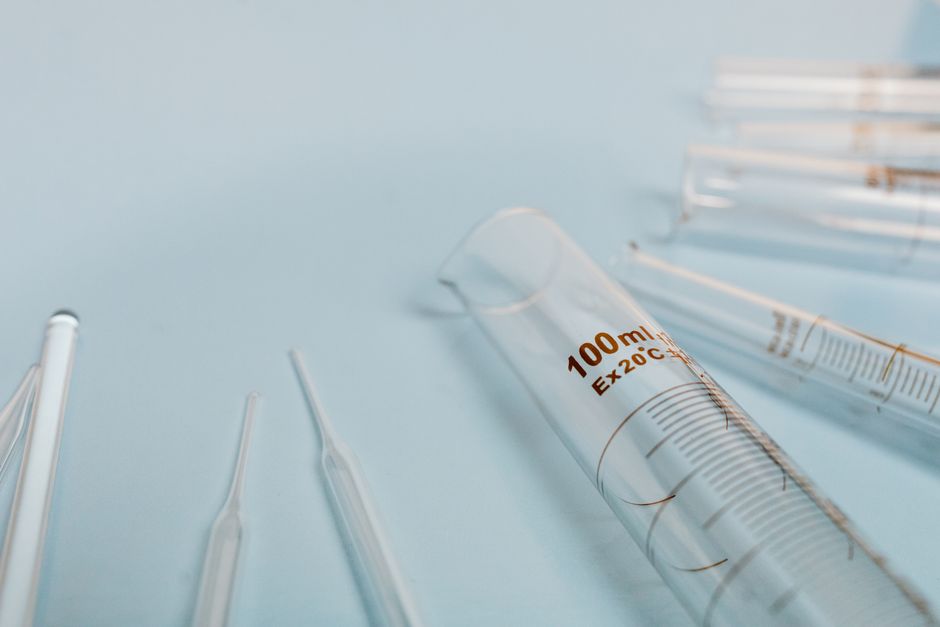
Photo by Tara Winstead on Pexels
You'll encounter various instruments, each designed for a specific task.
* Balances: Used for precise measurement of mass. You'll often use analytical balances for very small quantities.
* pH Meters: Measure the acidity or alkalinity of a solution. They use an electrode immersed in the solution.
* Spectrophotometers: Measure how much light a sample absorbs or transmits at different wavelengths, helping to identify substances or determine their concentration.
* Centrifuges: Separate components of a liquid mixture by spinning them at high speeds, forcing denser particles to the bottom.
* Pipettes and Burettes: Used for accurately measuring and dispensing liquid volumes. Pipettes are often fixed volume or adjustable, while burettes allow for titrations.
2.2 General Safety Principles

Photo by Los Muertos Crew on Pexels
Safety isn't just about avoiding accidents; it's about creating a secure environment for accurate work.
* Personal Protective Equipment (PPE): Always wear a lab coat, safety goggles, and appropriate gloves. These are your first line of defense.
* Chemical Handling: Read labels carefully. Know the hazards (e.g., corrosive, flammable) before you use any chemical. Use fume hoods for volatile or hazardous chemicals.
* Waste Disposal: Never pour chemicals down the drain unless specifically instructed. Use designated waste containers for different types of chemical waste.
* Emergency Procedures: Know where the eyewash station, safety shower, fire extinguisher, and first-aid kit are. Understand how to use them.
* General Lab Conduct: No eating, drinking, or applying cosmetics in the lab. Keep your workspace clean and organized. Always report spills or accidents immediately.
Here's a flowchart showing the general process for approaching a new lab experiment:
graph TD
    A["Read Experiment Protocol"] --> B["Identify Instruments & Chemicals"]
    B --> C{"Any Chemical Hazards?"}
    C -- Yes --> D["Consult SDS (Safety Data Sheet)"]
    C -- No --> E["Gather Required Instruments & PPE"]
    D --> E
    E --> F["Prepare Workspace & Instrument Setup"]
    F --> G["Perform Experiment Safely"]
    G --> H["Clean Up & Dispose of Waste"]
    H --> I["Record Observations & Results"]
3. Worked Example
Let's say you need to measure the pH of a solution using a pH meter and then dispose of the solution.
- Preparation: You'd first put on your lab coat, safety goggles, and gloves. You'd then calibrate the pH meter using buffer solutions of known pH (e.g., pH 4, 7, and 10).
- Measurement: Carefully immerse the pH meter electrode into your sample solution, ensuring it's submerged but not touching the bottom. Wait for the reading to stabilize and record the pH value.
- Post-Measurement: Rinse the electrode with distilled water and store it properly (often in a storage solution).
- Disposal: You check the experiment protocol or a lab supervisor about the solution's properties. If it's acidic waste, you'd pour it into the designated "Acid Waste" container, not down the drain.
4. Key Takeaways
- Always wear appropriate PPE (lab coat, safety goggles, gloves) to protect yourself.
- Understand the function and proper use of each instrument before you operate it.
- Read chemical labels and Safety Data Sheets (SDS) to know the hazards of substances you're using.
- Dispose of all chemical waste in designated containers, never down the sink unless specifically allowed.
- Maintain a clean and organized workspace to prevent contamination and accidents.
- Know the location and proper use of emergency equipment like eyewash stations and fire extinguishers.
- Report any spills, accidents, or broken equipment to your instructor immediately.
Common mistakes to avoid:
- Not wearing PPE: This is the most common and easily avoidable mistake, leading to direct exposure to hazards.
- Not calibrating instruments: Using uncalibrated instruments leads to inaccurate and unreliable experimental results.
- Improper waste disposal: This can lead to environmental contamination or hazardous reactions in the waste stream.
- Rushing or being careless: Most lab accidents happen due to a lack of focus or proper procedure.
5. Now Try It
For your next lab session, before you even touch any equipment, spend 15 minutes identifying all the safety features in your lab (eyewash station, safety shower, fire extinguisher, first-aid kit, fume hoods, emergency exits). Then, choose one instrument you expect to use (e.g., a balance or a pH meter) and mentally walk through its setup, calibration, use, and cleanup steps, imagining yourself performing each action. Success looks like you being able to point out all safety features and confidently describe the steps for using that instrument and cleaning up afterward.
Frequently asked about Introduction to Laboratory Instrumentation and Safety
Study this next
Get the full lab instrument curriculum
Clone the complete plan to your dashboard for unlimited AI-generated notes, practice quizzes, and a personalised revision schedule.
Save this course free