Introduction to Laboratory Safety and General Rules
From the bio curriculum
TL;DR
Lab safety is crucial to prevent accidents and ensure everyone's well-being. Always follow established rules and be aware of potential hazards, as your actions affect both you and others. Understanding and practicing safety isn't optional; it's a fundamental part of working in any lab.
1. The Mental Model
Think of lab safety as a set of shared agreements and careful habits. These aren't just arbitrary rules; they're designed based on past experiences and potential risks to keep you safe and healthy. Your job is to understand these agreements and make them a natural part of how you work.
2. The Core Material
Working in a biology lab involves handling chemicals, glassware, and sometimes biological agents. Knowing how to do this safely is paramount. It’s not just about what you do, but also about protecting anyone else in the lab.
General Lab Conduct
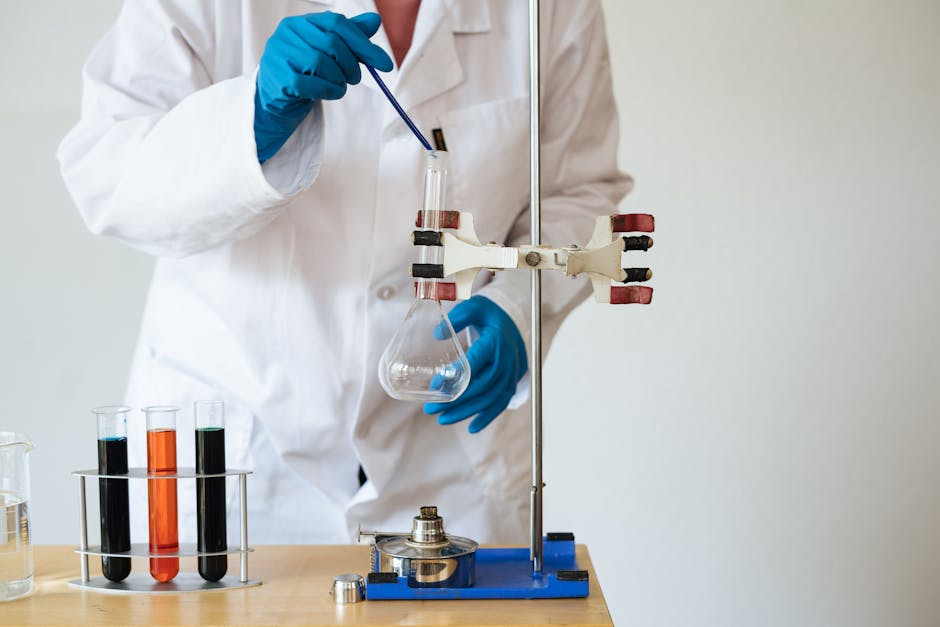
Photo by RF._.studio _ on Pexels
Always act responsibly. No horseplay, running, or unauthorized experiments. Keep your workspace tidy and clutter-free. Don't eat, drink, or apply cosmetics in the lab, as this can lead to accidental ingestion of contaminants.
Personal Protective Equipment (PPE)
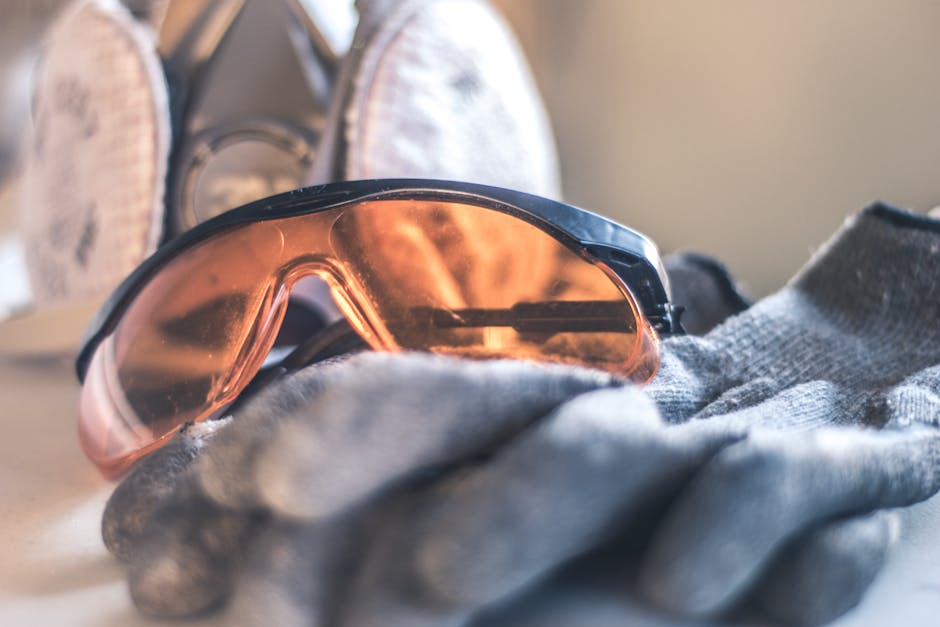
Photo by Steve A Johnson on Pexels
PPE is your first line of defense. You'll almost always need a lab coat, safety goggles, and gloves. Remember to select the correct type of gloves for the chemicals you're handling; not all gloves protect against everything.
Chemical Safety

Photo by Pavel Danilyuk on Pexels
Before using any chemical, always read its label and the Safety Data Sheet (SDS). The SDS has critical information about hazards, first aid, and proper disposal. Always add acid to water, never water to acid, to control heat generation.
Waste Disposal

Photo by Yuen Tou Zan on Pexels
Proper waste disposal prevents environmental contamination and hazards. Don't pour chemicals down the drain unless specifically instructed. There are usually separate bins for broken glass, biohazardous waste, and chemical waste.
Emergency Procedures
Know the location of the nearest eyewash station, safety shower, fire extinguisher, and first-aid kit. Understand the emergency exit routes and assembly points. If an accident happens, report it immediately to your supervisor.
graph TD
    A["Ready for Lab Activity?"] --> B{Put on PPE (Lab Coat, Goggles, Gloves)}
    B --> C{Read Labels & SDS for all Chemicals}
    C --> D{Plan Experiment Steps}
    D --> E{Perform Experiment Safely}
    E --> F{Dispose of Waste Properly}
    F --> G{Clean Workspace & Equipment}
    G --> H{Remove PPE}
    H --> I{Wash Hands Thoroughly}
    I --> J["Activity Complete (and Safe!)"]
    C --> K{Spill/Accident?}
    K -- "Yes" --> L["Assess & React (e.g., Eyewash, Safety Shower, Report)"]
    L --> F
Sharps and Glassware
Handle sharps (like needles and scalpels) with extreme care. Always dispose of them in designated sharps containers. Broken glassware should go into a specific "broken glass" bin, not the regular trash. Never handle broken glass with bare hands.
Fire Safety
Be aware of flammable materials and ignition sources (e.g., Bunsen burners, hot plates). Know how to use a fire extinguisher, but only attempt to put out small, contained fires if you've been trained. Evacuate if the fire is too large or spreading.
3. Worked Example
Imagine you're about to prepare a solution using concentrated hydrochloric acid (HCl).
- Before you start: You'd put on your lab coat, safety goggles, and nitrile gloves. You'd find the HCl bottle and its SDS.
- Reading the SDS: The SDS tells you HCl is corrosive, causes severe skin burns and eye damage, and releases irritating fumes. It also states that if you spill it on skin, you should flush with water for at least 15 minutes and seek medical attention.
- Preparation: You'd get your volumetric flask (clean and dry) and a beaker to measure the water first. You'd work in a fume hood to avoid inhaling the strong fumes.
- Mixing: You'd carefully measure the required amount of water into the beaker first, then slowly and carefully add the concentrated acid to the water, stirring gently. This prevents a sudden, dangerous heat release that could happen if you added water to acid.
- After use: You'd cap the acid bottle tightly and return it to its designated storage location. You'd rinse your glassware and dispose of any waste according to specific instructions for acid waste. You'd then remove your gloves and lab coat and thoroughly wash your hands.
4. Key Takeaways
- Always wear appropriate Personal Protective Equipment (PPE) in the lab.
- Understand the hazards of chemicals by reading labels and Safety Data Sheets (SDS).
- Never eat, drink, or apply cosmetics in laboratory areas.
- Know the location and proper use of safety equipment like eyewash stations and fire extinguishers.
- Properly dispose of all waste materials, following specific lab protocols.
- Report all accidents, spills, or injuries to your supervisor immediately, no matter how minor.
-
Maintain a clean and organized workspace to prevent accidents.
-
Common mistakes to avoid:
- Not wearing safety goggles when chemicals are being used nearby.
- Pouring chemicals down the drain without checking disposal guidelines.
- Ignoring minor spills or accidents instead of reporting them.
- Failing to read chemical labels before use.
5. Now Try It
Walk around your lab (or look at a lab diagram if you don't have access) and locate the following: emergency eyewash, safety shower, fire extinguisher, first aid kit, and the specific bins for broken glass, chemical waste, and biohazardous waste. Success looks like you being able to point out each item's exact location and briefly explain its primary purpose within 15 minutes.
Frequently asked about Introduction to Laboratory Safety and General Rules
Study this next
Get the full bio curriculum
Clone the complete plan to your dashboard for unlimited AI-generated notes, practice quizzes, and a personalised revision schedule.
Save this course free