Introduction to Clinical Pathology and Laboratory Methods
From the pathology clinic, lipid and thrombosis curriculum
TL;DR
Clinical pathology bridges lab science and patient care, helping doctors diagnose diseases and monitor treatments. You'll learn how lab tests classify disease, assess risk, and guide therapy, using various methods to analyze patient samples. Understanding the journey from sample collection to result interpretation is key to your role.
1. The Mental Model
Think of clinical pathology as the detective work behind the scenes in medicine. You're using scientific tools in the lab to find clues in a patient's body samples, which then help doctors solve the mystery of what's wrong and how to fix it.
2. The Core Material
Clinical pathology is the medical specialty that focuses on diagnosing disease through the laboratory analysis of bodily fluids and tissues. It's a crucial part of patient care, providing objective data that helps clinicians make informed decisions.
2.1 Why Lab Tests Matter

Photo by Pavel Danilyuk on Pexels
Lab tests serve several vital functions in patient management:
* Disease Diagnosis: Confirming or ruling out a suspected condition (e.g., elevated cardiac enzymes for a heart attack).
* Prognosis: Predicting the likely course of a disease (e.g., tumor markers for cancer stage).
* Risk Assessment: Identifying individuals at risk for future disease (e.g., cholesterol levels for cardiovascular disease).
* Therapeutic Monitoring: Tracking the effectiveness and safety of treatments (e.g., INR for warfarin therapy, glucose for diabetes).
* Screening: Detecting diseases early in asymptomatic individuals (e.g., PSA for prostate cancer).
2.2 Key Laboratory Methods You'll Encounter
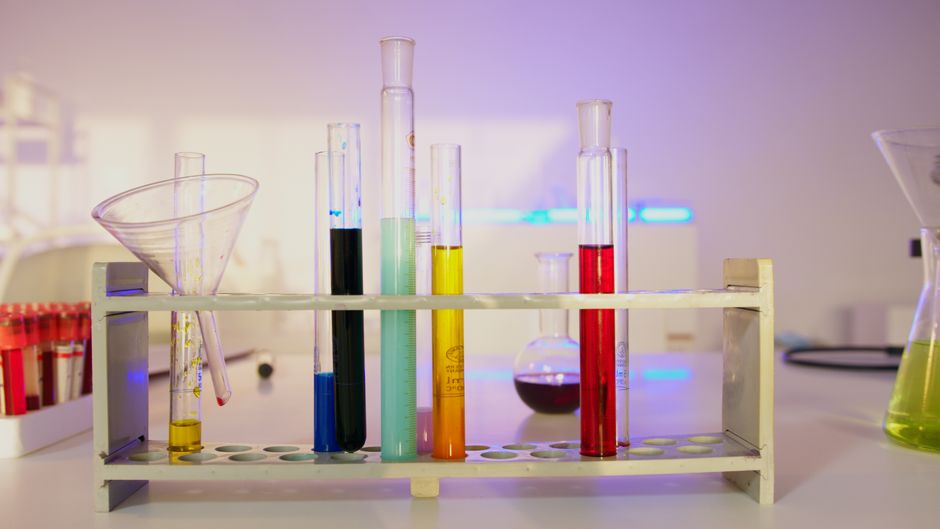
Photo by Artem Podrez on Pexels
The methods used in clinical pathology are diverse, each suited for different types of analyses:
- Clinical Chemistry: Measures chemical components in blood and other fluids.
- Spectrophotometry: Measures the amount of light absorbed by a sample to determine substance concentration (e.g., glucose, cholesterol).
- Immunoassay: Uses antibodies to detect and quantify specific substances (e.g., hormones, therapeutic drugs, some proteins).
- Hematology: Analyzes blood components, including red cells, white cells, and platelets.
- Automated Cell Counters: Rapidly count and differentiate blood cells based on size and internal complexity.
- Microscopy: Manual examination of blood smears for abnormal cell morphology.
- Coagulation: Investigates the blood's clotting ability.
- Clot-based assays: Measure the time it takes for a sample to clot after adding reagents (e.g., PT, aPTT).
- Urinalysis: Physical, chemical, and microscopic examination of urine.
- Dipstick tests: Rapidly screen for glucose, protein, blood, etc.
- Microscopy: Identifies cells, crystals, and casts.
- Molecular Diagnostics: Detects and analyzes DNA, RNA, and proteins to diagnose genetic disorders, infectious diseases, and cancer.
- PCR (Polymerase Chain Reaction): Amplifies specific DNA sequences for detection.
2.3 The Specimen Journey: From Patient to Result

Photo by cottonbro studio on Pexels
Understanding the entire process is critical because errors at any stage can affect results.
graph LR
    A["Patient Preparation"] --> B["Sample Collection: Blood, Urine, etc."];
    B --> C["Sample Transport & Handling"];
    C --> D["Sample Processing & Aliquoting"];
    D --> E["Analytical Testing (e.g., Spectrophotometry, Immunoassay)"];
    E --> F["Result Verification & Validation"];
    F --> G["Reporting Results to Clinician"];
    G --> H["Clinician Interpretation & Action"];
- Pre-analytical Phase: Everything that happens before the sample reaches the testing instrument. This includes patient preparation (fasting, timing of collection), sample collection technique (correct tubes, proper fill, avoiding hemolysis), and sample transport/storage (temperature, timely delivery). This is where most lab errors occur!
- Analytical Phase: The actual testing of the sample using laboratory instruments and methods. Quality control is paramount here.
- Post-analytical Phase: Everything that happens after the sample is tested. This includes result verification (checking for implausible results, critical values), reporting, and interpretation by the clinician.
3. Worked Example
Let's say a patient comes in with chest pain, and the doctor suspects a heart attack (myocardial infarction).
- Patient Preparation/Collection: The patient isn't required to fast. A healthcare professional draws blood into appropriate tubes.
- Transport/Handling: The blood samples are quickly sent to the lab, often refrigerated if there's a delay, to prevent degradation of enzymes.
- Analysis: In the lab, a clinical chemistry analyzer uses immunoassay techniques to measure the level of cardiac troponin I or T (specific markers released when heart muscle is damaged). The instrument reports a value, say 12.5 ng/mL.
- Verification/Reporting: A lab technologist reviews the result. They know the normal reference range is typically <0.04 ng/mL. Since 12.5 is significantly elevated and a "critical value," they immediately call the clinician to report it.
- Interpretation/Action: The clinician, combining this lab result with the patient's symptoms and EKG findings, confirms a myocardial infarction diagnosis and initiates urgent treatment.
4. Key Takeaways
- Clinical pathology guides diagnosis, prognosis, risk assessment, and therapeutic monitoring in patient care.
- Lab tests provide objective data vital for evidence-based medical decisions.
- Different methods like spectrophotometry, immunoassay, and cell counting detect specific analytes.
- The pre-analytical phase (patient prep, sample collection) is where most lab errors happen, so it's critical to get right.
- Understanding the entire lifecycle of a lab test, from collection to interpretation, is essential.
Common mistakes you should avoid:
* Forgetting the pre-analytical phase: Don't just focus on the test itself; remember everything before it can impact results.
* Ignoring reference ranges: A number means nothing without its context (normal vs. abnormal).
* Assuming one test tells the whole story: Lab tests are tools; they're part of a larger clinical picture.
* Not understanding test limitations: No test is perfect; some have cross-reactivity or interfere with certain conditions.
5. Now Try It
Think of a common condition (e.g., diabetes, kidney disease, anemia). For this condition, list two specific lab tests used for its diagnosis or monitoring. For each test, briefly describe: 1) What substance it measures, 2) The general lab method used (e.g., immunoassay, spectrophotometry), and 3) A common pre-analytical factor that could affect its result.
Success looks like: You've correctly identified relevant tests, accurately described what they measure and the method, and pinpointed a crucial pre-analytical consideration for each.
Frequently asked about Introduction to Clinical Pathology and Laboratory Methods
Study this next
Get the full pathology clinic, lipid and thrombosis curriculum
Clone the complete plan to your dashboard for unlimited AI-generated notes, practice quizzes, and a personalised revision schedule.
Save this course free