Ecosystems and Environmental Interactions
From the Science final exam curriculum
TL;DR
Ecosystems are communities of living organisms interacting with each other and their non-living environment, constantly exchanging energy and matter. These interactions, like food webs and nutrient cycles, create a dynamic balance that can be disrupted by human activities. Understanding these concepts helps us predict and mitigate environmental impacts.
1. The Mental Model
Think of an ecosystem as a giant, interconnected web where every strand is a living thing or a part of the environment. If you pull on one strand, it affects others, showing how everything is linked and constantly changing.
2. The Core Material
An ecosystem is a community of living organisms (biotic factors) interacting with each other and their non-living physical and chemical environment (abiotic factors).
Biotic Factors

Photo by Wayne Jackson on Pexels
These are all the living or once-living parts of an ecosystem:
* Producers (Autotrophs): Organisms that make their own food, usually through photosynthesis (e.g., plants, algae). They form the base of the food web.
* Consumers (Heterotrophs): Organisms that get energy by eating other organisms.
* Primary Consumers (Herbivores): Eat producers (e.g., rabbits, deer).
* Secondary Consumers (Carnivores/Omnivores): Eat primary consumers (e.g., foxes, snakes).
* Tertiary Consumers (Carnivores/Omnivores): Eat secondary consumers (e.g., eagles, bears).
* Decomposers (Detritivores): Break down dead organic matter, returning nutrients to the soil (e.g., bacteria, fungi, worms).
Abiotic Factors
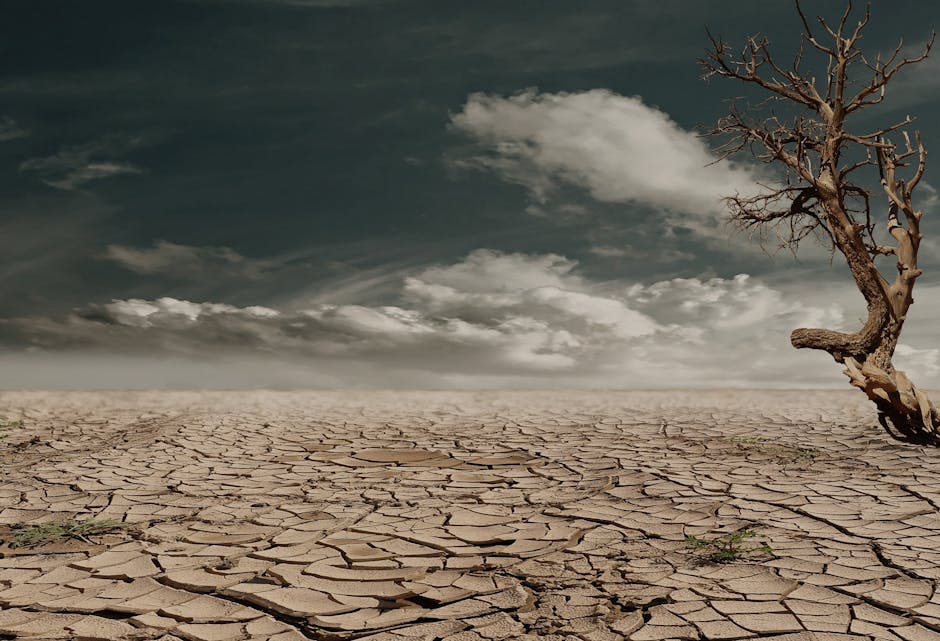
Photo by Pixabay on Pexels
These are the non-living physical and chemical parts of an ecosystem:
* Sunlight
* Water
* Temperature
* Soil composition
* pH levels
* Oxygen levels
* Nutrients (e.g., nitrogen, phosphorus)
Energy Flow and Food Webs

Photo by Turgut Kepirli on Pexels
Energy flows through an ecosystem in one direction, generally starting from the sun.
* Producers capture sunlight energy.
* Consumers get energy by eating producers or other consumers.
* Energy is lost as heat at each transfer (typically about 90% at each trophic level). This is why food chains are relatively short.
A food chain shows a single pathway of energy flow (e.g., grass → rabbit → fox). A food web shows multiple interconnected food chains in an ecosystem, illustrating more complex feeding relationships.
Nutrient Cycling

Photo by Annelies Brouw on Pexels
Unlike energy, matter (nutrients like carbon, nitrogen, water) is recycled within an ecosystem.
* Carbon Cycle: Involves photosynthesis (CO2 from atmosphere taken by plants), respiration (CO2 released by organisms), decomposition, and combustion.
* Nitrogen Cycle: Involves nitrogen fixation (atmospheric nitrogen converted to usable forms by bacteria), nitrification, assimilation by plants, decomposition, and denitrification.
* Water Cycle: Involves evaporation, condensation, precipitation, runoff, and transpiration.
Environmental Interactions and Human Impact
Humans are part of ecosystems and significantly impact them.
* Habitat Destruction: Clearing forests, building cities, leading to loss of biodiversity.
* Pollution: Contaminating air, water, and soil with chemicals, plastics, etc.
* Climate Change: Increased greenhouse gases from human activities trapping heat, altering global temperatures and weather patterns.
* Overexploitation: Unsustainable harvesting of resources (e.g., overfishing, deforestation).
* Invasive Species: Introducing non-native species that outcompete native ones, disrupting ecological balance.
graph TD
    A["Sunlight"] --> B["Producers (Plants)"]
    B --> C["Primary Consumers (Herbivores)"]
    C --> D["Secondary Consumers (Carnivores)"]
    D --> E["Tertiary Consumers (Top Carnivores)"]
    B --> F["Decomposers (Bacteria/Fungi)"]
    C --> F
    D --> F
    E --> F
    F --> G["Nutrients in Soil/Water"]
    G --> B
    style A fill:#FFD700,stroke:#333,stroke-width:2px
    style B fill:#90EE90,stroke:#333,stroke-width:2px
    style C fill:#ADD8E6,stroke:#333,stroke-width:2px
    style D fill:#FFB6C1,stroke:#333,stroke-width:2px
    style E fill:#FF6347,stroke:#333,stroke-width:2px
    style F fill:#D3D3D3,stroke:#333,stroke-width:2px
    style G fill:#DAA520,stroke:#333,stroke-width:2px
3. Worked Example
Imagine a small pond ecosystem.
* Biotic factors: Algae (producers), tadpoles (primary consumers), small fish (secondary consumers eating tadpoles), dragonflies (secondary consumers), herons (tertiary consumers eating fish), bacteria and fungi (decomposers).
* Abiotic factors: Water temperature, sunlight intensity, dissolved oxygen levels, pH of the water, pond depth, muddy bottom sediment.
* Energy Flow: Sunlight captured by algae → eaten by tadpoles → eaten by small fish → eaten by herons.
* Nutrient Cycling: When a heron dies, decomposers break down its body, returning nitrogen, phosphorus, and other elements to the pond water and sediment, which algae then absorb to grow. The carbon from the heron's body is released back into the water and atmosphere as CO2 through decomposition.
Now, consider a human impact: A nearby factory discharges warm water into the pond.
* Impact: The water temperature increases (change in abiotic factor).
* Consequence: Dissolved oxygen levels decrease (warmer water holds less oxygen). This stresses fish, potentially killing some. Algae might bloom excessively due to warmer water, further reducing oxygen at night when they respire. This shifts the balance, impacting tadpoles and fish, and consequently the herons that rely on them.
4. Key Takeaways
- Ecosystems are complex systems where living and non-living components are constantly interacting.
- Energy flows directionally through trophic levels, with significant loss at each step, while matter cycles repeatedly.
- Producers form the base of nearly all food webs, converting light energy into chemical energy.
- Decomposers are crucial for recycling nutrients back into the ecosystem for producers to reuse.
- Human activities profoundly affect both biotic and abiotic factors, often leading to ecosystem imbalances.
- Understanding food webs and nutrient cycles helps predict the cascading effects of changes in an ecosystem.
- Biodiversity (the variety of life) is essential for a healthy and resilient ecosystem.
Common mistakes to avoid:
- Confusing energy flow with nutrient cycling; energy flows through, nutrients cycle within.
- Underestimating the role of decomposers; they are fundamental, not just "clean-up crew."
- Thinking that removing one species has only a simple, direct effect; ecosystems are highly interconnected.
- Forgetting that abiotic factors are just as critical as biotic factors for ecosystem health.
5. Now Try It
Choose a local ecosystem you're familiar with (e.g., your garden, a park, a local forest patch). Spend 15 minutes listing at least 3 producers, 3 consumers (try for different types like primary, secondary), and one type of decomposer. Then, identify 3 key abiotic factors in that ecosystem. Finally, describe one way humans might positively or negatively impact that specific ecosystem.
Success looks like: A clear list of biotic and abiotic factors, an identified human impact, and a brief explanation of how that impact might affect the ecosystem's balance.
Frequently asked about Ecosystems and Environmental Interactions
Study this next
Get the full Science final exam curriculum
Clone the complete plan to your dashboard for unlimited AI-generated notes, practice quizzes, and a personalised revision schedule.
Save this course free