Ecology and Biotechnology
From the IGCSE Biology curriculum
TL;DR
Ecology studies how living things interact with each other and their environment, focusing on energy flow and nutrient cycles within ecosystems. Biotechnology uses living organisms or their products to make useful things, playing a big role in medicine and agriculture. Both fields are crucial for understanding and managing our planet and its resources.
1. The Mental Model
Think of ecology as looking at a giant, interconnected web where every organism has a role, and biotechnology as using tiny living tools (like bacteria or genes) to solve big problems or create new things.
2. The Core Material
Ecology: The Web of Life
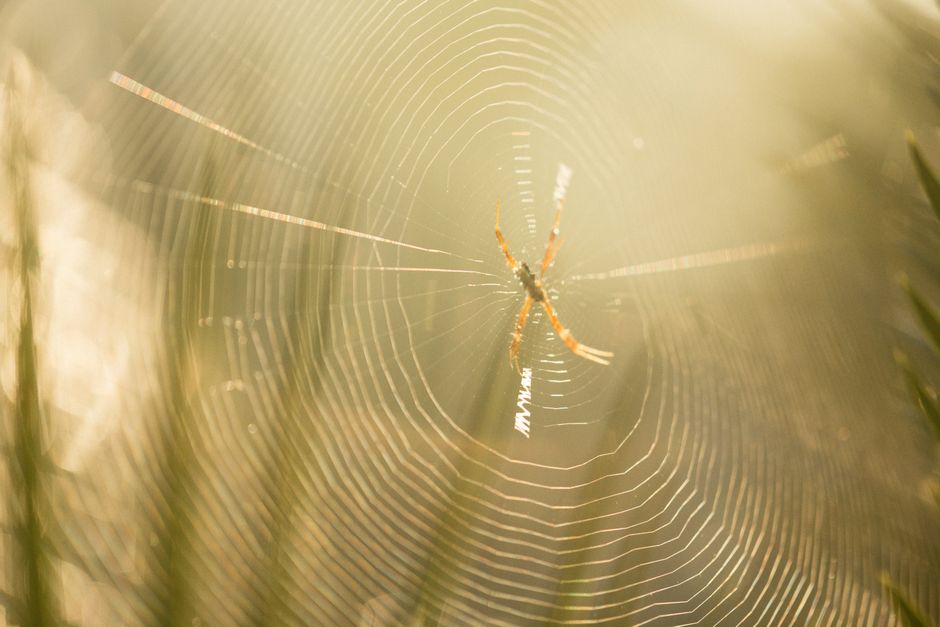
Photo by Alexey Demidov on Pexels
Ecology is all about interrelationships. It covers how organisms interact with each other (e.g., predator-prey) and with their non-living environment (e.g., water, temperature).
- Ecosystems: These are communities of living organisms (biotic factors) interacting with their non-living environment (abiotic factors). Examples include a pond, a forest, or even your garden.
- Energy Flow: Energy in an ecosystem starts from the sun and is captured by producers (like plants through photosynthesis). This energy then moves through different feeding levels, called trophic levels:
- Producers: Make their own food (e.g., plants, algae).
- Primary Consumers (Herbivores): Eat producers (e.g., rabbits eating grass).
- Secondary Consumers (Carnivores/Omnivores): Eat primary consumers (e.g., foxes eating rabbits).
- Tertiary Consumers: Eat secondary consumers (e.g., eagles eating snakes).
- Decomposers: Break down dead organic matter, returning nutrients to the soil (e.g., bacteria, fungi).
This flow is often represented by food chains (a simple sequence) or food webs (interconnected food chains).
- Nutrient Cycles: Unlike energy, nutrients (like carbon, nitrogen, water) are recycled within an ecosystem. Organisms use them, and decomposers return them so they can be used again.
Biotechnology: Using Life for Good

Photo by Pavel Danilyuk on Pexels
Biotechnology involves using living organisms, or parts of them, to create products or processes that benefit humans.
- Genetic Engineering: This is a key part of modern biotechnology. It involves directly manipulating an organism's genes. For example, you can take a gene from one organism and insert it into another to give it a new trait.
- Recombinant DNA: This is DNA formed by combining genetic material from different sources. For instance, a human gene for insulin can be inserted into bacteria.
- Applications:
- Medicine: Producing human insulin, vaccines, gene therapy.
- Agriculture: Creating genetically modified (GM) crops that are pest-resistant, herbicide-tolerant, or have improved nutritional value.
- Industry: Producing enzymes, biofuels.
- Fermentation: This is an older, but still vital, biotechnology process. Microorganisms (like yeast or bacteria) are used to break down organic substances without oxygen.
- Applications: Making bread, cheese, yogurt, beer, wine, and even antibiotics.
- Ethical Considerations: Biotechnology, especially genetic engineering, raises ethical questions about safety, unforeseen consequences, and ownership of genetically modified organisms.
Here's a diagram showing the basic process of creating a genetically modified organism (GMO):
graph TD
    A["Identify desired gene (e.g., for pest resistance)"] --> B["Isolate gene from donor organism (e.g., bacterium)"]
    B --> C["Obtain a plasmid (circular DNA) from a bacterium"]
    C --> D["Cut plasmid and insert desired gene using enzymes"]
    D --> E["Introduce recombinant plasmid into target organism (e.g., plant cell)"]
    E --> F["Grow modified cells into whole organism"]
    F --> G["Test for desired trait (e.g., pest resistance)"]
3. Worked Example
Let's look at how biotechnology produces human insulin. Before genetic engineering, insulin for diabetics came from animals, which sometimes caused allergic reactions.
- Identify the gene: Scientists identify the specific human gene that codes for insulin production.
- Isolate the gene: This gene is cut out from human DNA using special enzymes called restriction enzymes.
- Prepare the vector: A bacterial plasmid (a small, circular piece of DNA) is extracted from a bacterium. The same restriction enzyme is used to cut open this plasmid.
- Insert the gene: The human insulin gene is inserted into the opened bacterial plasmid. Another enzyme, DNA ligase, 'glues' the gene into place, creating a recombinant plasmid.
- Transform bacteria: These recombinant plasmids are then introduced into new bacterial cells (e.g., E. coli). The bacteria are now transformed.
- Grow bacteria: The transformed bacteria are grown in large fermenters. As they reproduce, they copy the recombinant plasmid, and their cellular machinery starts producing human insulin.
- Harvest and purify: The insulin produced by the bacteria is then extracted and purified, ready for medical use. This results in large quantities of pure human insulin, identical to what humans produce, and safe for patients.
4. Key Takeaways
- Ecology explores how living things interact with each other and their non-living surroundings in ecosystems.
- Energy flows through trophic levels in an ecosystem, starting with producers and moving up to consumers, while nutrients are recycled.
- Biotechnology uses biological systems or organisms to create products or processes for specific uses, like in medicine or agriculture.
- Genetic engineering involves directly altering an organism's DNA, often by inserting genes from one organism into another.
- Recombinant DNA technology allows for the production of useful substances like human insulin in bacteria.
- Fermentation is a biotechnological process using microorganisms to break down substances, producing things like food and antibiotics.
- Ethical considerations are important when discussing the applications and potential impacts of biotechnology.
Common Mistakes to Avoid:
- Don't confuse energy flow (one-way) with nutrient cycling (recycled).
- Remember that decomposers are crucial for nutrient recycling, not just "waste disposal."
- Don't think all biotechnology is genetic engineering; fermentation is an older form.
- Be clear that genetic engineering involves changing the DNA itself, not just selective breeding.
5. Now Try It
Imagine you are designing a new genetically modified crop. Choose one crop (e.g., rice, corn, potato) and one desired new trait (e.g., drought resistance, increased vitamin content, pest resistance). Briefly describe:
1. Why this trait would be beneficial.
2. Which organism you might get the gene for this trait from (e.g., another plant, a bacterium).
3. The general steps you would take to introduce this gene into your chosen crop.
Success looks like: A clear explanation of the benefit, a plausible source for the gene, and a step-by-step outline of the genetic engineering process, even if simplified.
Frequently asked about Ecology and Biotechnology
More from IGCSE Biology
Get the full IGCSE Biology curriculum
Clone the complete plan to your dashboard for unlimited AI-generated notes, practice quizzes, and a personalised revision schedule.
Save this course free