Global Basketball Landscape
From the PATHFIT curriculum
TL;DR
Basketball has evolved into a truly global sport, with professional leagues and passionate fan bases across every continent. The NBA stands as the pinnacle, but international competitions and grassroots efforts are crucial for its worldwide growth and popularity. Understanding this landscape helps you appreciate the sport's reach and future potential.
1. The Mental Model
Think of global basketball as a pyramid: the NBA is at the top, representing the absolute elite. Below it are strong professional leagues worldwide, supported by international competitions, and at the base, thriving youth programs and amateur play feeding the entire structure.
2. The Core Material
Basketball's global presence is undeniable. While the NBA in North America is often seen as the primary league, its success is deeply intertwined with the development of the sport internationally.
The NBA's Global Influence

Photo by karim Ouakkaha on Pexels
The NBA is the most popular and recognized basketball league globally. It attracts the best talent from around the world, leading to a diverse player base. This international talent, combined with strategic marketing and global outreach efforts (like NBA Global Games and NBA Academies), significantly expands the league's viewership and fan base beyond North America. Many international players become national heroes, inspiring new generations in their home countries.
International Leagues and Organizations
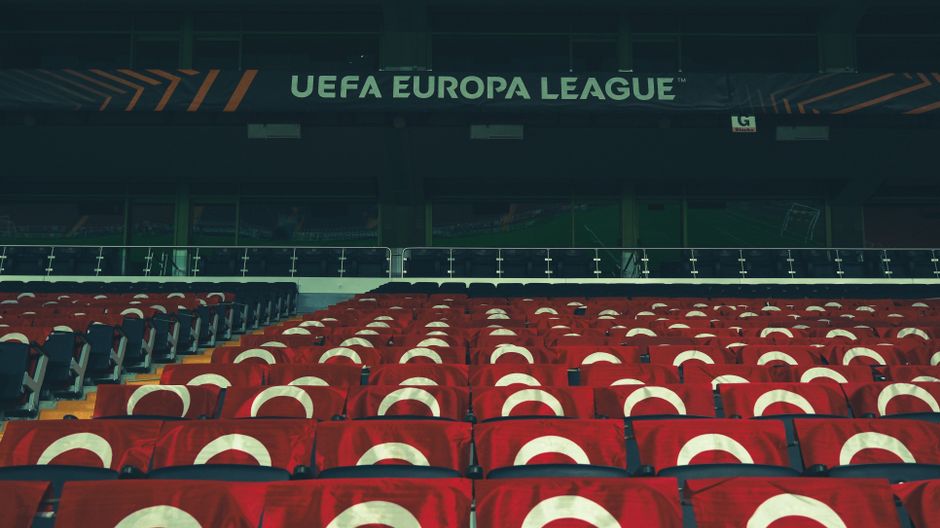
Photo by hayati ilker ergün on Pexels
Beyond the NBA, numerous professional leagues thrive worldwide. Europe (EuroLeague, ACB in Spain, Lega Basket A in Italy), Asia (CBA in China, B.League in Japan), Australia (NBL), and South America all boast strong, competitive leagues that draw large crowds and develop top-tier talent. FIBA (International Basketball Federation) is the global governing body, organizing major international tournaments like the FIBA World Cup and the Olympic Games basketball competition. These events showcase national teams and foster national pride, often eclipsing club loyalties during the tournaments.
Grassroots Development

Photo by Kavya Kodiya on Pexels
The foundation of global basketball lies in grassroots development. This includes youth leagues, school programs, and community initiatives that introduce the sport to children and provide pathways for talent development. Strong grassroots programs in countries like Serbia, Lithuania, Australia, and France have consistently produced world-class players who go on to star in top leagues globally.
The Interconnectedness

Photo by Ruly Nurul Ihsan on Pexels
The global landscape is highly interconnected. Players often start in their home country's youth programs, move to their national professional leagues, and then potentially transition to the NBA or other top international leagues. This constant flow of talent and ideas strengthens the sport everywhere.
graph TD
    A["NBA (Pinnacle)"] --> B["Major International Leagues (e.g., EuroLeague, CBA)"];
    B --> C["National Professional Leagues (e.g., ACB, B.League)"];
    C --> D["FIBA Competitions (World Cup, Olympics)"];
    D --> E["Grassroots Development (Youth Programs, Schools)"];
    E --> C;
    C --> B;
    B --> A;
    A --> D;
3. Worked Example
Consider Nikola Jokic, an NBA MVP. He started his career in Serbia's youth system, played professionally for Mega Basket in the Serbian league, then moved to the NBA's Denver Nuggets. He also regularly represents the Serbian national team in FIBA competitions. This path—from local development to national league, to the NBA, and back to international representation—is a perfect illustration of how the global basketball landscape functions, showcasing talent development and international participation at every level.
4. Key Takeaways
- Basketball is a truly global sport with significant professional presence on every continent.
- The NBA is the top-tier league, attracting global talent and expanding its reach through international players and initiatives.
- Strong professional leagues exist worldwide, like EuroLeague in Europe and CBA in China, contributing significantly to the sport's global strength.
- FIBA governs international competitions, such as the World Cup and Olympics, which are crucial for national team pride and global viewership.
- Grassroots development and youth programs are foundational, nurturing talent from a young age and feeding into higher levels of play.
- The global landscape is interconnected, with a continuous flow of players and influence between different leagues and regions.
- International players are pivotal; their success in the NBA boosts basketball's popularity in their home countries.
Common Mistakes to Avoid:
- Don't underestimate the quality and competitiveness of non-NBA leagues; many feature highly skilled players.
- Don't forget that international competitions (like the Olympics) can be just as, if not more, important to some nations than NBA championships.
- Don't assume the NBA is the only significant player; it's a part of a larger, complex global ecosystem.
- Don't overlook the role of local community and youth programs in developing future stars.
5. Now Try It
Spend 15 minutes researching a professional basketball league outside of North America (e.g., EuroLeague, CBA, NBL, ACB). Identify at least two key players who started in that league and later played in the NBA (or vice versa), and one unique aspect of that league compared to the NBA.
What success looks like: You can name the league, its country/region, the players, and explain a distinguishing characteristic of the league.
Frequently asked about Global Basketball Landscape
More from PATHFIT
Get the full PATHFIT curriculum
Clone the complete plan to your dashboard for unlimited AI-generated notes, practice quizzes, and a personalised revision schedule.
Save this course free