Game Violations and Penalties
From the PATHFIT curriculum
TL;DR
Game violations are specific actions that break the rules of a sport or game. When you commit a violation, there's usually a direct penalty that aims to correct the play or disadvantage your team. Understanding these rules helps you play fairly and avoid giving opponents an advantage.
1. The Mental Model
Think of game violations as "wrong turns" in a game. Each wrong turn has a consequence, or "penalty," designed to get the game back on track or make up for the unfair advantage gained.
2. The Core Material
In most sports, violations are actions that go against the spirit or specific rules of play, but aren't necessarily violent or malicious. They're often about improper movement, handling of equipment, or positioning. Penalties are the consequences, and they vary widely depending on the sport and the severity of the violation.
Let's look at some common types of violations and their typical penalties:
Travel
This is common in basketball. It occurs when you move illegally with the ball without dribbling.
* Penalty: Turnover – the ball is given to the opposing team.
Double Dribble

Photo by Tima Miroshnichenko on Pexels
Also in basketball, this happens when you dribble the ball, stop, and then dribble again, or dribble with two hands simultaneously.
* Penalty: Turnover – the ball is given to the opposing team.
Offside
Found in sports like soccer, hockey, and American football. It occurs when you are in an illegal position relative to the ball and an opponent at a specific moment of play.
* Penalty: Indirect free kick (soccer), face-off in the offending team's zone (hockey), or a penalty to the team (American football).
Fault (Tennis/Volleyball)
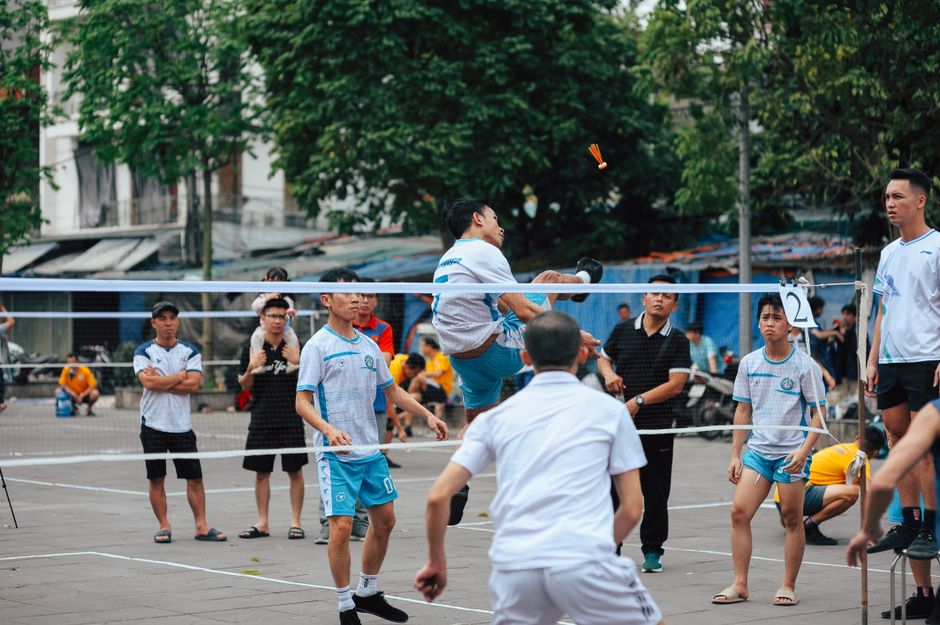
Photo by Thang Nguyen on Pexels
In tennis, a fault is an illegal serve. Two faults in a row (a double fault) result in losing the point. In volleyball, a fault is any illegal action that ends the rally, like touching the net or hitting the ball out of bounds.
* Penalty: Opponent scores a point (tennis) or the rally ends, giving the point and serve to the opponent (volleyball).
Illegal Use of Hands/Holding (Basketball/American Football)
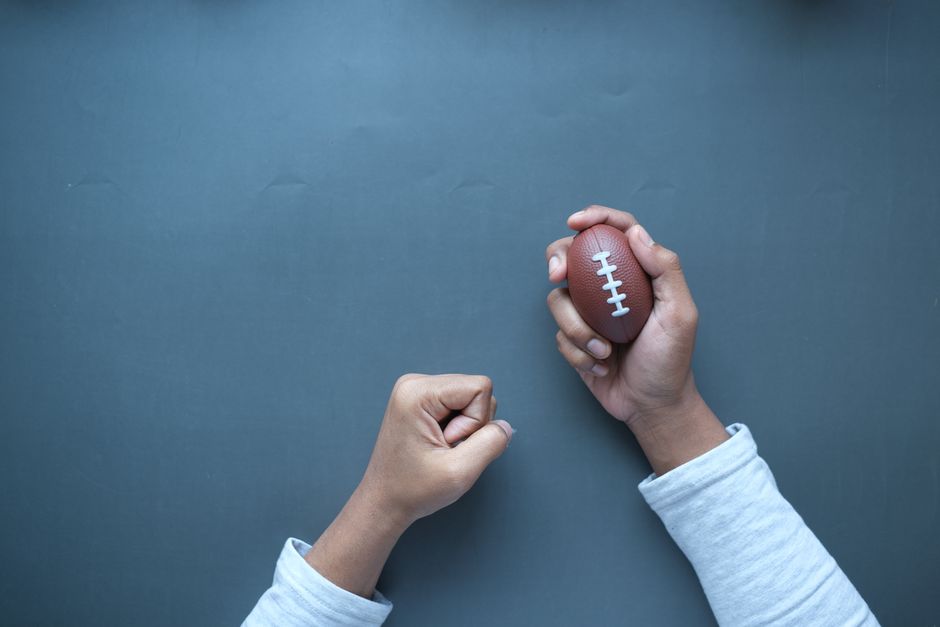
Photo by Towfiqu barbhuiya on Pexels
In basketball, illegal contact with an opponent with your hands. In American football, holding an opponent to prevent them from making a play.
* Penalty: Foul shot(s) for the fouled player (basketball), or a yardage penalty (American football).
Here's how violations generally lead to penalties:
graph TD
    A["Player Commits Violation"] --> B["Official Identifies Violation"]
    B --> C{Violation Type?}
    C --> D["Minor Violation"]
    C --> E["Major Violation"]
    D --> F["Penalty: Loss of Possession/Point/Minor Setback"]
    E --> G["Penalty: Free Shot/Significant Yardage/Player Ejection"]
    F --> H["Game Resumes"]
    G --> H
3. Worked Example
Imagine you're playing basketball. You catch the ball, take two steps without dribbling, then try to take a third step. This is a traveling violation. The referee blows their whistle, stopping play immediately. The penalty is that your team loses possession of the ball, and the opposing team gets to inbound the ball from the sideline nearest to where the violation occurred.
4. Key Takeaways
- Violations are specific actions that break the rules of a game.
- Penalties are the direct consequences for committing a violation.
- Different sports and different violations have varied penalties.
- Understanding common violations helps you play smarter and avoid giving opponents advantages.
- Most penalties aim to either reverse an unfair advantage or punish the offending team.
- Officials are responsible for identifying violations and enforcing penalties.
Common Mistakes to Avoid:
- Not knowing the specific rules for moving with the ball in your sport.
- Assuming a minor contact is always a foul when it might just be a legal play.
- Arguing with officials about calls instead of focusing on the next play.
- Repeatedly committing the same violation due to lack of practice or understanding.
5. Now Try It
For the next 15 minutes, pick one sport you're familiar with (e.g., volleyball, soccer, basketball). Identify three common violations unique to that sport that weren't explicitly covered above. For each violation, describe what it is and what the typical penalty is. Success looks like you correctly identifying the violation and its associated consequence, showing you understand how violations and penalties work in a specific game context.
Frequently asked about Game Violations and Penalties
More from PATHFIT
Get the full PATHFIT curriculum
Clone the complete plan to your dashboard for unlimited AI-generated notes, practice quizzes, and a personalised revision schedule.
Save this course free