Essential Player Skills
From the PATHFIT curriculum
TL;DR
Mastering essential player skills is crucial for success in any sport or physical activity, encompassing both physical and mental attributes. You need to develop foundational movements, tactical understanding, and a strong mental approach to perform effectively. Consistent practice and self-reflection are key to continuously improving these skills.
1. The Mental Model
Think of yourself as a complete athlete, not just someone with a ball or racket. Your physical abilities are the engine, your tactical knowledge is the map, and your mental toughness is the fuel that keeps you going, all working together for optimal performance.
2. The Core Material
Essential player skills can be broadly categorized into three main areas: Physical Skills, Tactical Skills, and Mental Skills. Each plays a vital role in your overall performance and ability to adapt to different situations.
Physical Skills
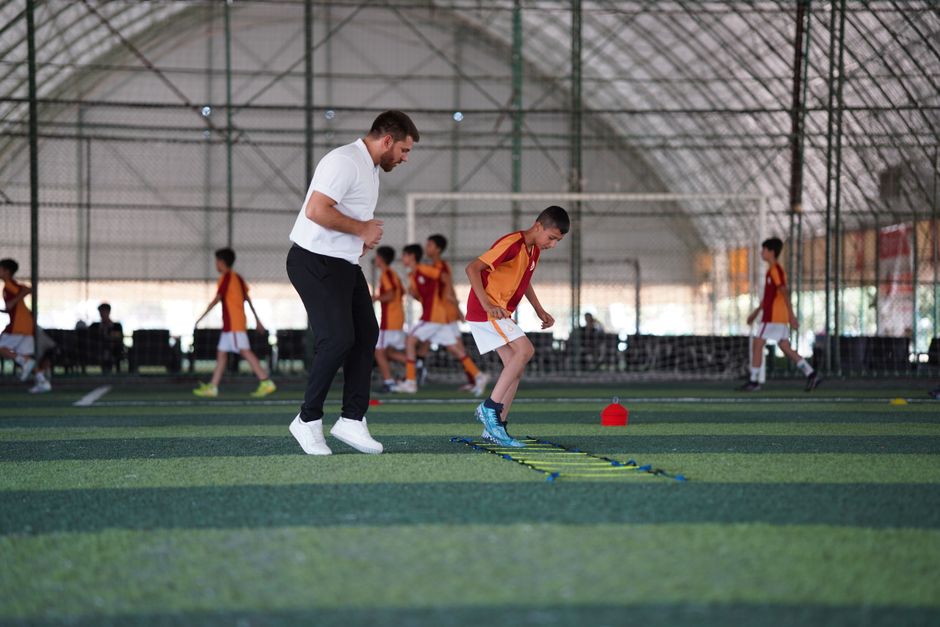
Photo by SERHAT TUĞ on Pexels
These are the fundamental movements and athletic attributes required for your sport. They're the building blocks that allow you to execute plays and perform actions effectively.
- Agility: The ability to change direction quickly and efficiently while maintaining balance. Think about a basketball player dodging defenders or a soccer player cutting around an opponent.
- Speed: How fast you can move your body or a part of your body. This includes sprinting, quick reflexes, and fast hand-eye coordination.
- Endurance: Your ability to sustain physical effort over a period of time. This can be cardiovascular (running long distances) or muscular (repeatedly performing a specific action).
- Strength: The force your muscles can exert. This is crucial for power, stability, and injury prevention.
- Coordination: The ability to use different parts of your body together smoothly and efficiently. Hand-eye coordination (e.g., hitting a ball) and foot-eye coordination (e.g., kicking a ball accurately) are key.
Tactical Skills

Photo by Art Guzman on Pexels
These involve your understanding of the game and how to make effective decisions during play. They're about "playing smart."
- Game Awareness: Knowing what's happening around you on the field/court, including opponent positions, teammate positions, and the location of the ball/object.
- Decision-Making: The ability to quickly and effectively choose the best course of action based on game awareness. Should you pass, shoot, dribble, or defend?
- Positioning: Knowing where to be to contribute offensively or defensively. This often involves anticipating play and reacting to movements.
- Communication: Effectively interacting with teammates to coordinate plays, share information, and provide support. This can be verbal or non-verbal.
Mental Skills
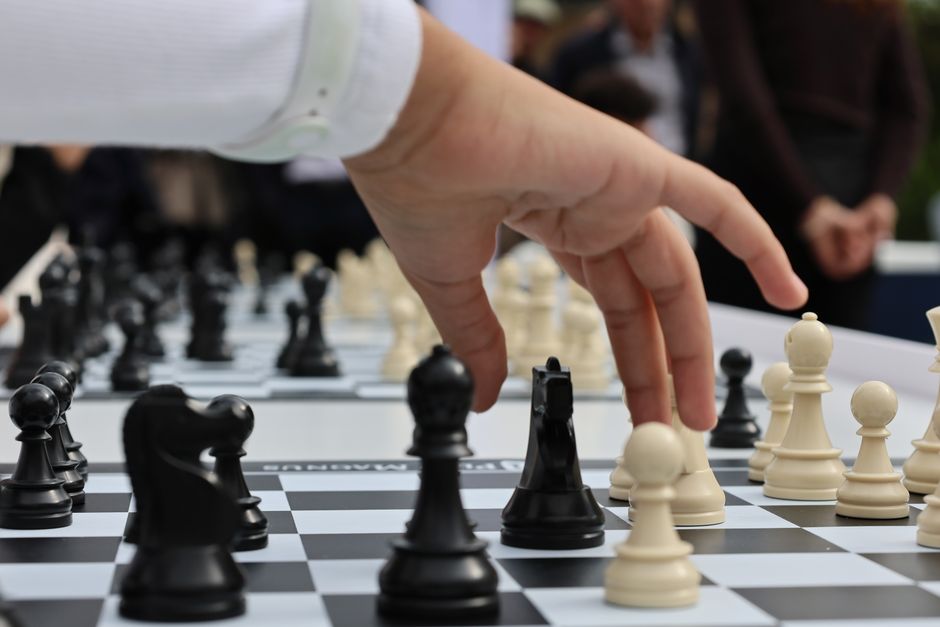
Photo by Tahir Xəlfəquliyev on Pexels
These are the psychological aspects that influence your performance, especially under pressure.
- Focus/Concentration: The ability to maintain attention on the task at hand, ignoring distractions.
- Confidence: Belief in your own abilities to perform successfully.
- Resilience: The capacity to recover quickly from difficulties, setbacks, or mistakes.
- Motivation: The drive and desire to train, compete, and improve.
- Emotional Control: Managing your emotions (like frustration, excitement, or anxiety) to ensure they don't negatively impact your performance.
Here's a diagram illustrating the hierarchy of these essential player skills:
graph TD
    A["Overall Player Performance"] --> B["Mental Skills"];
    A --> C["Tactical Skills"];
    A --> D["Physical Skills"];

    B --> B1["Focus/Concentration"];
    B --> B2["Confidence"];
    B --> B3["Resilience"];
    B --> B4["Motivation"];
    B --> B5["Emotional Control"];

    C --> C1["Game Awareness"];
    C --> C2["Decision-Making"];
    C --> C3["Positioning"];
    C --> C4["Communication"];

    D --> D1["Agility"];
    D --> D2["Speed"];
    D --> D3["Endurance"];
    D --> D4["Strength"];
    D --> D5["Coordination"];
3. Worked Example
Imagine you're a basketball player on a fast break.
- Physical Skills: You need speed to outrun defenders, agility to change direction if an opponent cuts you off, and coordination to dribble the ball while running. Your endurance allows you to maintain this sprint.
- Tactical Skills: You use game awareness to see where your teammates are and where defenders are positioned. Based on this, you make a quick decision-making: do you pass to the open teammate for a layup, or do you drive to the basket yourself? Your positioning ensures you're in a good spot to receive a pass or take a shot. You might even use non-verbal communication to signal to a teammate.
- Mental Skills: You need focus to concentrate on the play and block out crowd noise. Confidence allows you to take the shot or make the pass without hesitation. If you miss, resilience helps you shake it off and get back on defense.
All these skills converge in a split second to execute the play successfully.
4. Key Takeaways
- Essential player skills are a blend of physical, tactical, and mental attributes.
- Physical skills are the foundation for executing movements effectively in your sport.
- Tactical skills involve understanding the game and making smart decisions under pressure.
- Mental skills determine how you perform when faced with challenges, pressure, and mistakes.
- Consistent practice across all three areas is vital for holistic player development.
- Communication with teammates is a crucial tactical skill that enhances team performance.
Common mistakes you should avoid:
- Ignoring mental training: Many players focus only on physical and tactical aspects, neglecting the significant impact of mental toughness.
- Over-specializing too early: Don't just practice one skill; ensure you develop a broad base of fundamental physical attributes.
- Not understanding the "why": Just doing drills isn't enough; you need to understand how each skill applies to actual game situations.
- Giving up after mistakes: Learning from errors and maintaining resilience is more important than avoiding mistakes entirely.
5. Now Try It
For your chosen sport (or a general physical activity like running), spend 15 minutes reflecting on your last performance. Identify one specific physical skill (e.g., agility), one tactical skill (e.g., decision-making), and one mental skill (e.g., focus) where you feel you performed well. Then, identify one skill from each category where you think you could improve. For each area of improvement, jot down one small, actionable step you could take in your next practice session to work on it. Success looks like having a clear plan for targeted improvement in each skill category.
Frequently asked about Essential Player Skills
More from PATHFIT
Get the full PATHFIT curriculum
Clone the complete plan to your dashboard for unlimited AI-generated notes, practice quizzes, and a personalised revision schedule.
Save this course free