Physics: Electromagnetism Fundamentals
From the Half yearly exam only for, phy, chem, maths and eng and cs curriculum
TL;DR
Electromagnetism studies how electricity and magnetism are two sides of the same coin, with moving charges creating magnetic fields and changing magnetic fields inducing electric currents. Understanding these fundamental relationships helps explain many everyday phenomena, from motors to generators. You'll need to know key concepts like fields, forces, and induction.
1. The Mental Model
Imagine electricity and magnetism aren't separate things but different manifestations of the same force. Moving electric charges create magnetic effects, and changing magnetic effects can create electric currents. It's a fundamental dance between two powerful forces.
2. The Core Material
What is Electromagnetism?

Photo by Nicola Narracci on Pexels
Electromagnetism is the study of how electric and magnetic forces interact. Historically, electricity and magnetism were seen as separate, but James Clerk Maxwell unified them, showing they are different aspects of a single electromagnetic force. This force is one of the four fundamental forces of nature.
Electric Fields and Charges

Photo by Gabriel Mihalcea on Pexels
- Electric Charge: The fundamental property of matter that experiences a force in an electric field. It's measured in Coulombs (C). There are positive (+) and negative (-) charges. Like charges repel, unlike charges attract.
- Electric Field (E): A region around an electric charge where another charged object experiences a force. It's measured in Newtons per Coulomb (N/C) or Volts per meter (V/m). Field lines originate from positive charges and terminate on negative charges.
- Coulomb's Law: Describes the force between two point charges. The force is directly proportional to the product of the charges and inversely proportional to the square of the distance between them.
Magnetic Fields and Currents
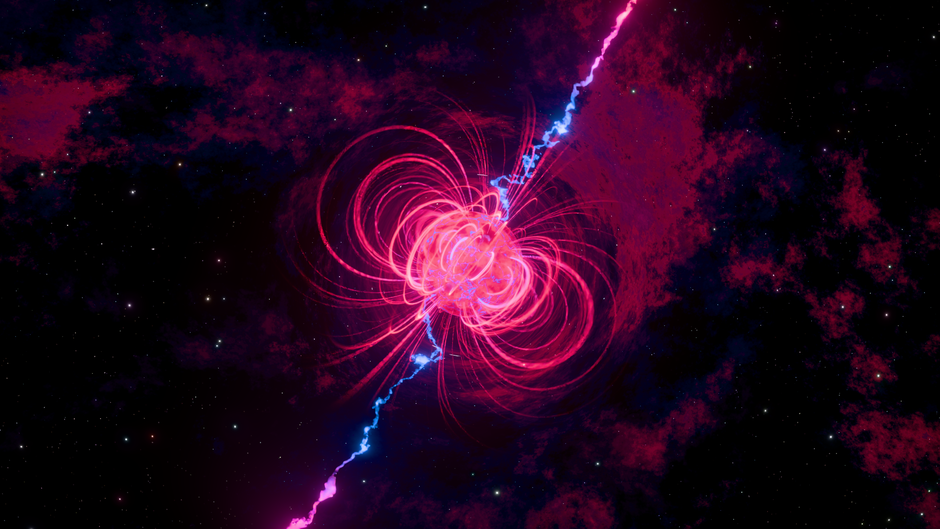
Photo by Nicola Narracci on Pexels
- Magnetic Field (B): A region around a magnet or a moving electric charge where other magnetic materials or moving charges experience a force. It's measured in Tesla (T).
- Magnetic Field Lines: Loop from the North pole to the South pole outside a magnet, and South to North inside. They never cross.
- Source of Magnetic Fields: Unlike electric charges, there are no isolated "magnetic charges" (monopoles). Magnetic fields are produced by moving electric charges (currents) or changing electric fields.
- Right-Hand Rule: A crucial tool to determine the direction of magnetic fields or forces.
- For Current in a Wire: Point your right thumb in the direction of conventional current; your curled fingers show the direction of the magnetic field lines around the wire.
- For Force on a Current/Charge: If your thumb is current/velocity, index finger is magnetic field, then your middle finger gives the force (for positive charges/currents). This is sometimes called Fleming's Left-Hand Rule for motors.
Electromagnetic Induction
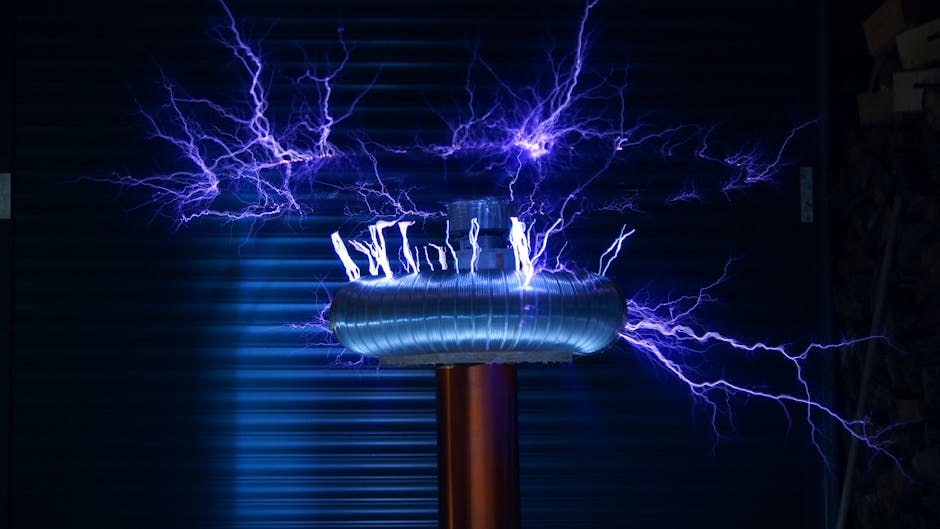
Photo by Killian Eon on Pexels
This is about how changing magnetic fields create electric currents.
- Magnetic Flux (Φ): The measure of the total magnetic field passing through a given area. Measured in Weber (Wb).
- Faraday's Law of Induction: A changing magnetic flux through a coil induces an electromotive force (EMF), which can drive a current. The induced EMF is proportional to the rate of change of magnetic flux.
- Lenz's Law: The direction of the induced current is such that it opposes the change in magnetic flux that produced it. This is a consequence of energy conservation.
graph TD
    A["Moving Electric Charge / Current"] --> B["Creates Magnetic Field"]
    C["Changing Magnetic Field"] --> D["Induces Electric Current (EMF)"]
    D --> E["Opposes Change (Lenz's Law)"]
    B --> F["Exerts Force on Other Moving Charges / Currents"]
    F --> G["Foundation of Motors"]
    D --> H["Foundation of Generators / Transformers"]
3. Worked Example
Let's find the direction of the force on an electron moving through a magnetic field.
Problem: An electron (negative charge) is moving horizontally to the right. It enters a uniform magnetic field directed out of the page. What is the direction of the magnetic force on the electron?
Solution:
1. Identify Charge and Velocity: You have an electron, so it's a negative charge. Its velocity (v) is to the right.
2. Identify Magnetic Field: The magnetic field (B) is out of the page.
3. Apply Right-Hand Rule (for positive charge first):
* Point your right thumb in the direction of the electron's velocity (right).
* Point your right index finger in the direction of the magnetic field (out of the page).
* Your middle finger will point downwards. This would be the force direction for a positive charge.
4. Adjust for Negative Charge: Since an electron has a negative charge, the force direction is opposite to what the Right-Hand Rule indicates for a positive charge.
5. Conclusion: The magnetic force on the electron will be upwards.
4. Key Takeaways
- Electric and magnetic phenomena are interconnected, forming electromagnetism.
- Moving charges generate magnetic fields, and changing magnetic fields induce electric currents.
- The Right-Hand Rule is essential for determining the direction of magnetic fields, forces, and currents.
- Faraday's Law explains how a changing magnetic flux creates an induced EMF.
- Lenz's Law states that induced currents always oppose the change that created them, ensuring energy conservation.
- Electric fields exert force on charges, and magnetic fields exert force on moving charges or currents.
- Understanding these principles is key to how electric motors, generators, and transformers work.
Common Mistakes to Avoid:
- Confusing the direction of current with the direction of electron flow (current is conventional positive charge flow).
- Forgetting to reverse the direction of force when dealing with negative charges (like electrons) in the Right-Hand Rule.
- Mixing up which hand to use for different applications of the Right-Hand Rule.
- Not understanding that a steady magnetic field doesn't induce a current; only a changing magnetic field does.
5. Now Try It
Imagine a straight wire carrying current vertically upwards. You then place a compass just to the east of the wire. What direction will the compass needle point due to the magnetic field created by the current? Draw a simple diagram showing the wire, current direction, compass position, and the resulting magnetic field direction at the compass.
What success looks like: Your diagram correctly uses the Right-Hand Rule to show the magnetic field circling the wire, and the compass needle pointing North-West, tangent to the field line at its position.
Frequently asked about Physics: Electromagnetism Fundamentals
Study this next
Get the full Half yearly exam only for, phy, chem, maths and eng and cs curriculum
Clone the complete plan to your dashboard for unlimited AI-generated notes, practice quizzes, and a personalised revision schedule.
Save this course free