Ecology: Biomes and Ecosystems
From the biology curriculum
TL;DR
Biomes are large regions on Earth characterized by similar climates, dominant plant life, and animal communities. Ecosystems are smaller, interacting communities of living organisms and their non-living environment within a biome. Understanding biomes and ecosystems helps us see how different parts of nature are connected and how organisms adapt.
1. The Mental Model
Think of biomes as Earth's major climatic "neighborhoods," like deserts or rainforests, defined by weather patterns. Within each neighborhood, there are many specific "houses" or ecosystems, where particular groups of plants and animals live and interact with their immediate surroundings.
2. The Core Material
Ecology is the study of how organisms interact with each other and their environment. When we talk about biomes and ecosystems, we're looking at different scales of these interactions.
What's a Biome?
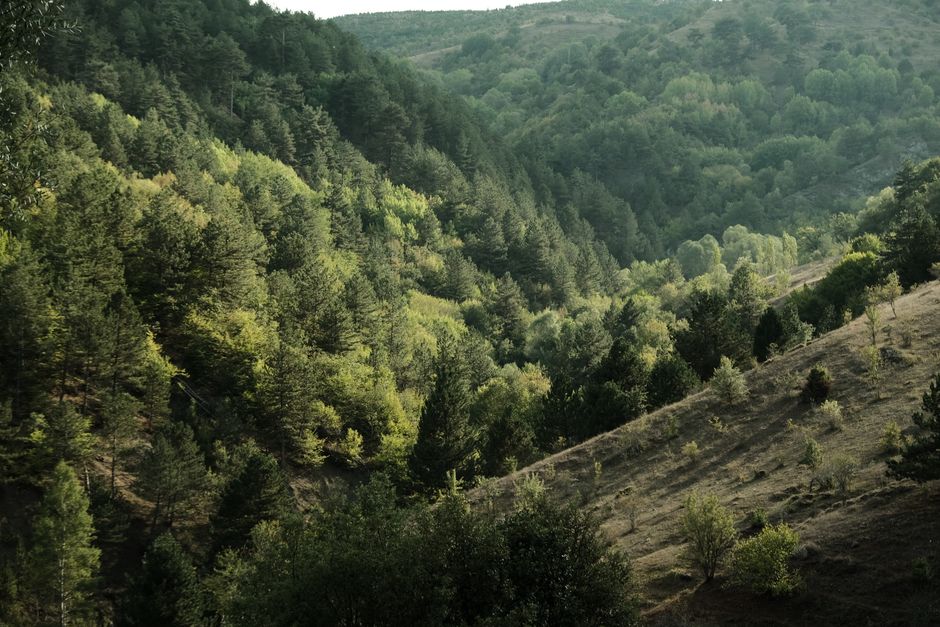
Photo by Sueda Dilli on Pexels
A biome is a large geographical area characterized by its dominant plant and animal life, which are primarily determined by climate (temperature and precipitation). Biomes don't have exact borders; they blend into each other.
Key factors determining biomes:
* Temperature: How hot or cold it generally is.
* Precipitation: How much rain, snow, or other moisture an area receives.
Major types of biomes include:
* Terrestrial Biomes (land-based):
* Tundra: Very cold, low precipitation, permafrost (permanently frozen soil).
* Taiga (Boreal Forest): Cold, coniferous trees (pines, spruces).
* Temperate Deciduous Forest: Moderate climate, trees lose leaves seasonally.
* Grassland (Savanna, Prairie): Moderate to hot, low to moderate precipitation, dominated by grasses.
* Desert: Very hot or cold, very low precipitation.
* Tropical Rainforest: Hot, very high precipitation, incredible biodiversity.
* Aquatic Biomes (water-based):
* Freshwater: Ponds, lakes, rivers, streams.
* Marine: Oceans, coral reefs, estuaries.
What's an Ecosystem?

Photo by Maël BALLAND on Pexels
An ecosystem is a community of living organisms (biotic factors) interacting with their non-living physical environment (abiotic factors) in a specific area. Ecosystems are smaller and more localized than biomes. For example, a single pond is an ecosystem, but it exists within a larger freshwater biome.
Key components of an ecosystem:
* Biotic Factors: All living or once-living parts.
* Producers: Make their own food (e.g., plants, algae).
* Consumers: Eat other organisms (e.g., herbivores, carnivores, omnivores).
* Decomposers: Break down dead organic matter (e.g., bacteria, fungi).
* Abiotic Factors: Non-living physical and chemical parts.
* Sunlight, water, soil, temperature, oxygen, nutrients.
Here's how they relate:
graph TD
    A["Climate (Temp & Precip)"] --> B["Determines"]
    B --> C["Biome Type"]
    C --> D["Contains Many"]
    D --> E["Ecosystems"]
    E --> F["Composed Of"]
    F --> G["Biotic Factors"]
    F --> H["Abiotic Factors"]
    G --> I["Producers"]
    G --> J["Consumers"]
    G --> K["Decomposers"]
    H --> L["Sunlight"]
    H --> M["Water"]
    H --> N["Soil"]
    H --> O["Temperature"]
3. Worked Example
Imagine you're exploring the Amazon Basin. The entire Amazon Basin is part of the Tropical Rainforest biome, characterized by consistently warm temperatures and very high rainfall year-round. Within this huge biome, you might find a specific ecosystem, like a flooded forest along a particular stretch of the Amazon River.
In this flooded forest ecosystem:
* Biotic factors would include giant water lilies (producers), piranhas (consumers), monkeys (consumers), and a vast array of fungi and bacteria breaking down leaf litter (decomposers).
* Abiotic factors would be the river water itself, the high humidity, the warm air temperature, the muddy soil, and the strong sunlight filtering through the canopy. All these living and non-living elements interact to create this unique habitat.
4. Key Takeaways
- Biomes are large-scale regions defined by climate and dominant vegetation, such as deserts or rainforests.
- Ecosystems are smaller, localized communities of living things interacting with their non-living environment.
- Climate (temperature and precipitation) is the primary factor determining where different biomes are found.
- Biotic factors are the living components of an ecosystem (producers, consumers, decomposers).
- Abiotic factors are the non-living components of an ecosystem (sunlight, water, soil, temperature).
- Many different ecosystems can exist within a single biome, sharing similar overall climatic conditions.
- Understanding these levels helps explain biodiversity and how organisms adapt to their surroundings.
Common mistakes to avoid:
- Confusing biomes and ecosystems; remember, biomes are large categories, ecosystems are specific examples within them.
- Thinking biome boundaries are sharp; they often transition gradually.
- Forgetting that abiotic factors are just as crucial as biotic factors for an ecosystem's health.
- Believing that human activity doesn't impact biomes and ecosystems; it significantly does.
5. Now Try It
Choose a local area you're familiar with – your backyard, a nearby park, or a forest. First, identify what major biome that area belongs to (e.g., temperate deciduous forest, grassland). Then, describe at least three specific biotic factors (plants, animals, fungi) and three specific abiotic factors (e.g., type of soil, amount of sunlight, water sources) you'd expect to find in a small ecosystem within that area.
Success looks like: You can correctly place your local area into a major biome and list specific examples of living and non-living things interacting in a smaller ecosystem within it.
Frequently asked about Ecology: Biomes and Ecosystems
Study this next
Get the full biology curriculum
Clone the complete plan to your dashboard for unlimited AI-generated notes, practice quizzes, and a personalised revision schedule.
Save this course free