Introduction to Ecosystems and Ecological Succession
From the distinguish between primary and secondary succession with included examples. i am preparing for my biology external exam QCAA curriculum curriculum
TL;DR
Ecological succession describes how an ecosystem changes over time, either from bare ground (primary succession) or after a disturbance (secondary succession). Primary succession starts from scratch, like on new volcanic rock, while secondary succession happens in places that previously supported life, like after a bushfire. Understanding these processes helps you see how communities of organisms develop and mature.
1. The Mental Model
Imagine nature trying to "fill in" an empty space or "recover" from a disaster. It doesn't happen all at once; it's a step-by-step process where different plants and animals colonise the area over time, each group changing the environment a bit for the next.
2. The Core Material
Ecological succession is the process of change in the species structure of an ecological community over time. It's how ecosystems develop from an initial state to a more stable, mature state (a climax community). There are two main types you need to know: primary succession and secondary succession.
Primary Succession
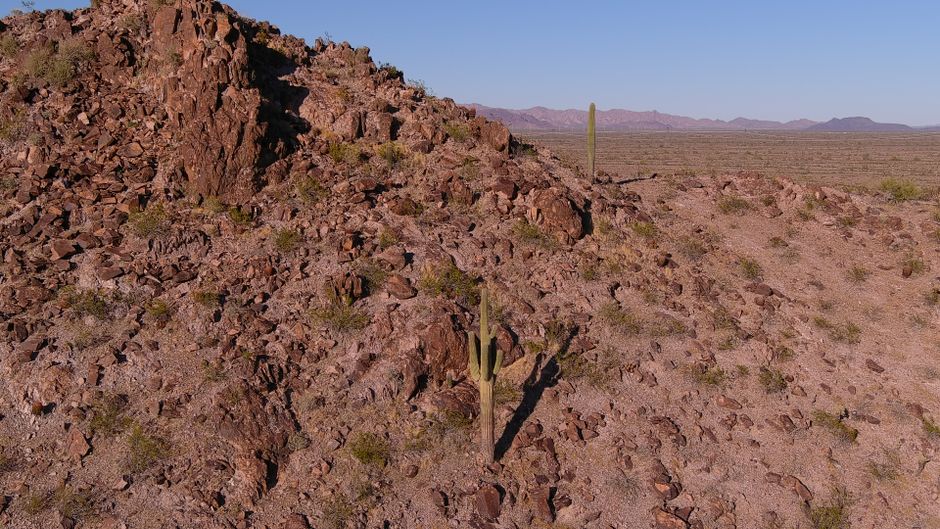
Photo by EJ Merl on Pexels
This type of succession occurs in environments that are initially devoid of life and soil. Think of it as starting completely from scratch. No prior community existed there. The ground is barren, like newly formed volcanic rock or sand dunes.
Key characteristics:
* Starts on new or exposed ground, without existing soil.
* Pioneer species (e.g., lichens, mosses) are the first to colonise. They can tolerate harsh conditions.
* Pioneer species break down rock and add organic matter, slowly creating soil.
* Over long periods, this allows for the growth of progressively larger and more complex plant life.
graph TD
    A["Bare Rock/No Soil (e.g., Volcanic Eruption)"] --> B["Pioneer Species (Lichens, Mosses)"]
    B --> C["Soil Formation (Weathering, Organic Matter Accumulation)"]
    C --> D["Grasses, Small Herbs (Early Successional Plants)"]
    D --> E["Shrubs, Small Trees (Mid-Successional Plants)"]
    E --> F["Climax Community (Mature Forest, Stable)"]
Secondary Succession
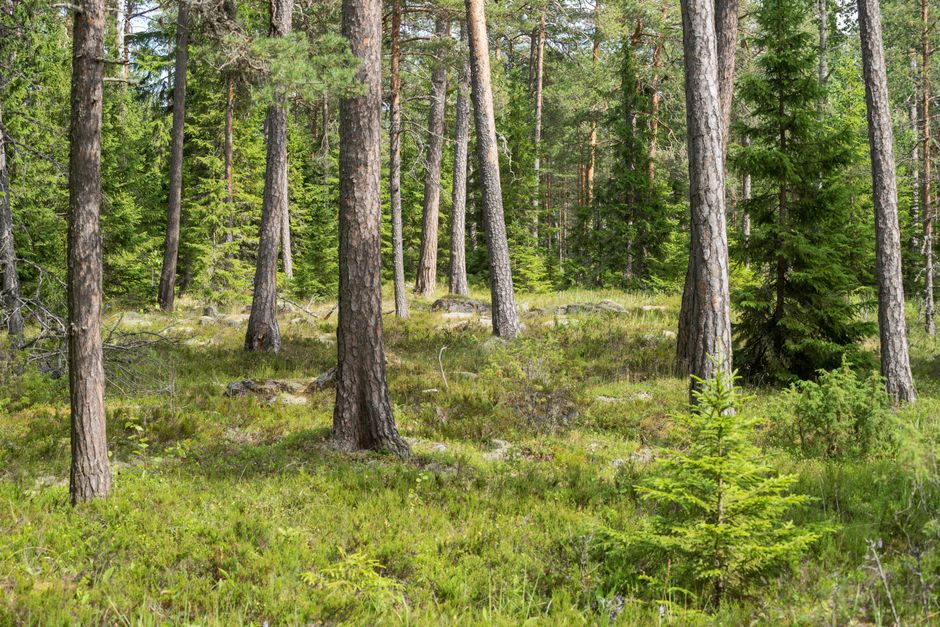
Photo by Igor Sazeev on Pexels
This type of succession occurs in areas where a community previously existed but has been disturbed or removed, leaving the soil largely intact. The "reset button" was pressed, but the foundation (soil, seeds, spores) is still there.
Key characteristics:
* Starts in an area where soil already exists.
* Follows a disturbance (e.g., bushfire, logging, flood, abandoned farmland).
* Pioneer species in this case might be annual weeds or fast-growing grasses.
* Generally much faster than primary succession because the soil and some seeds/spores are already present.
The stages often mirror primary succession but with a head start. For example, after a bushfire, annual weeds and grasses grow quickly from existing seed banks, followed by shrubs, then trees.
3. Worked Example
Let's compare them with specific examples:
Primary Succession Example:
Imagine an undersea volcano erupts and forms a brand new island of barren rock.
1. Pioneer Stage: Over years, microscopic algae, lichens, and mosses begin to grow on the rock surface, slowly breaking it down and forming tiny pockets of organic matter when they die.
2. Intermediate Stage: As soil builds up, small, hardy ferns and grasses can take root. These plants further enrich the soil. Insects and small invertebrates might start to colonise.
3. Climax Stage: Over hundreds to thousands of years, larger shrubs and eventually trees might establish, leading to a stable forest ecosystem, depending on the climate and conditions.
Secondary Succession Example:
Consider a forest in Queensland that has been devastated by a bushfire.
1. Initial Stage: Immediately after the fire, the ground is blackened, but the soil remains. Within weeks, fire-resistant seeds (e.g., from Eucalyptus species) germinate, and annual weeds and grasses sprout from existing root systems or seed banks.
2. Intermediate Stage: Over months to a few years, fast-growing shrubs and small pioneer trees (like wattles) begin to dominate. Animal populations, such as birds and small mammals, return to feed on the new growth.
3. Climax Stage: Over decades, the forest gradually regenerates, with the dominant tree species re-establishing and forming a mature canopy, resembling the pre-fire ecosystem.
4. Key Takeaways
- Primary succession starts from bare ground with no soil, taking a very long time.
- Secondary succession occurs in disturbed areas where soil is already present, making it much faster.
- Pioneer species are the first to colonise in both types, but differ depending on soil presence.
- Both processes lead towards a climax community, a relatively stable and mature ecosystem.
- Succession demonstrates the dynamic nature of ecosystems and their capacity for change and recovery.
Common mistakes to avoid:
- Confusing the starting conditions: "No soil" for primary, "soil present" for secondary.
- Thinking succession stops after the first plants grow; it's a continuous process.
- Believing a climax community is static; it's stable but can still experience minor changes or disturbances.
- Not understanding that pioneer species create conditions for later species.
5. Now Try It
Think about an event in your local area (or a hypothetical one) that would lead to ecological succession. First, decide if it's primary or secondary succession. Then, list at least three distinct stages of plant life you'd expect to see, in order, from the initial event to a more mature community. For example, if a landslide exposes new rock, what would be the first things to grow, and what might follow?
Frequently asked about Introduction to Ecosystems and Ecological Succession
Study this next
Get the full distinguish between primary and secondary succession with included examples. i am preparing for my biology external exam QCAA curriculum curriculum
Clone the complete plan to your dashboard for unlimited AI-generated notes, practice quizzes, and a personalised revision schedule.
Save this course free