Introduction to Respiratory Systems
From the Biology ( Transport of Oxygen and Carbon Dioxide) curriculum
TL;DR
Respiratory systems are specialized biological setups that facilitate the exchange of gases, primarily oxygen and carbon dioxide, between an organism and its environment. This gas exchange is crucial for cellular respiration, which produces energy. Different organisms have evolved diverse respiratory structures tailored to their size, metabolic needs, and habitats.
1. The Mental Model
Think of your respiratory system as a sophisticated air-exchange factory. It's designed to efficiently pull in the oxygen your body needs for fuel and expel the carbon dioxide waste produced. This factory has different "machinery" depending on the organism, but the core job is always gas exchange.
2. The Core Material
All living organisms, from tiny bacteria to large mammals, need to exchange gases with their environment to survive. This process, known as respiration, isn't just about breathing in and out; it's about the cellular processes that use oxygen and produce carbon dioxide. The respiratory system is the collection of organs and tissues that make this external gas exchange possible.
The fundamental principle of gas exchange relies on diffusion, where gases move from an area of higher concentration to an area of lower concentration. For diffusion to be efficient, respiratory surfaces typically need to be:
* Large: More surface area means more space for gases to cross.
* Thin: A shorter distance for gases to travel across the membrane.
* Moist: Gases dissolve in water before diffusing across membranes.
Different organisms have developed various strategies and structures to meet these requirements:
a. Simple Diffusion (e.g., single-celled organisms, flatworms)
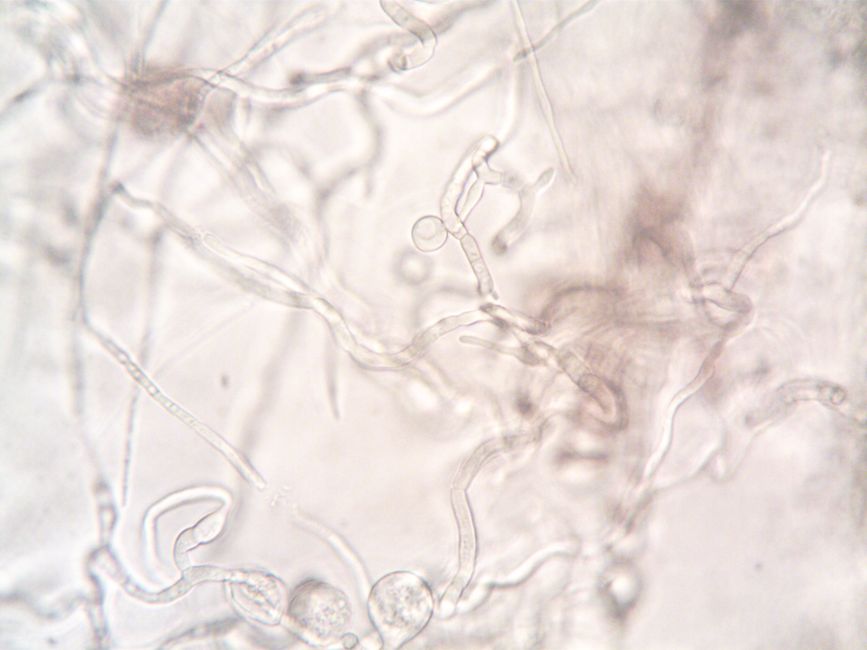
Photo by turek on Pexels
Very small organisms or those with a very large surface area to volume ratio can rely solely on diffusion across their body surface. There's no specialized respiratory organ.
b. Gills (e.g., fish, aquatic invertebrates)

Photo by Elle Hughes on Pexels
Gills are feathery or plate-like structures with a very large surface area and rich blood supply, specialized for gas exchange in water. Water flows over the gills, and oxygen diffuses into the blood while carbon dioxide diffuses out.
c. Tracheal Systems (e.g., insects)
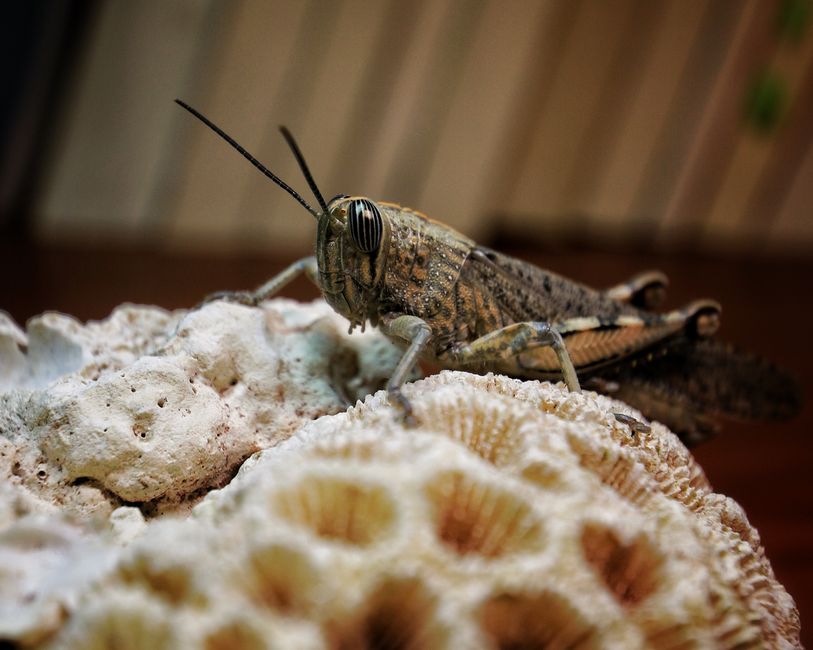
Photo by MOHAMMAD ALKOROM on Pexels
Insects have a network of tubes called tracheae that branch throughout their body, directly delivering oxygen to individual cells and removing carbon dioxide. Air enters and exits through small openings called spiracles.
d. Lungs (e.g., mammals, birds, reptiles, amphibians)
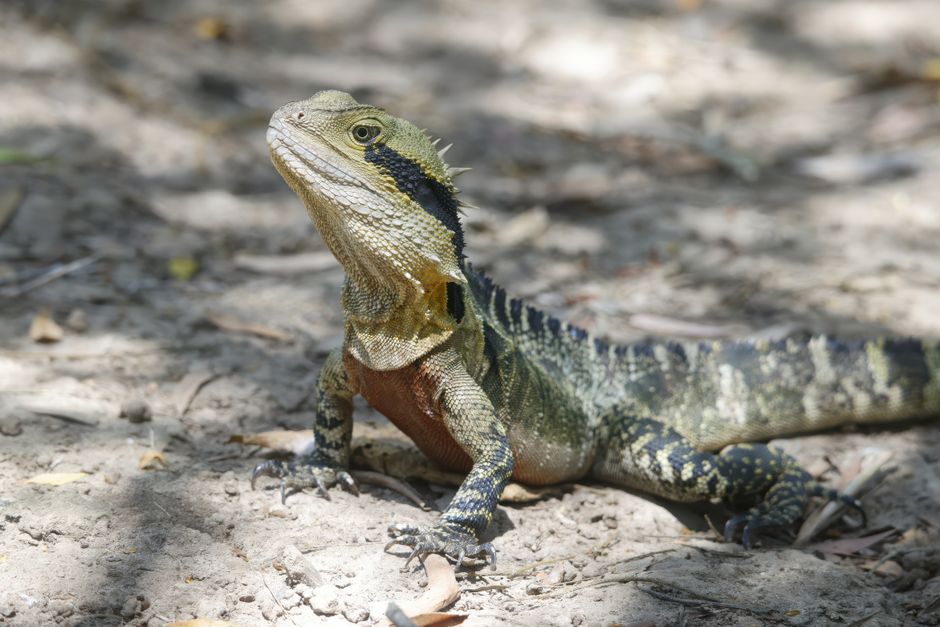
Photo by Anthony's images on Pexels
Lungs are internal, moist sacs that enclose the respiratory surface. Air is drawn into the lungs, and gas exchange occurs across the thin, moist membranes of structures like alveoli (in mammals).
The evolution of these systems reflects adaptations to different environments and metabolic demands. For instance, air-breathing animals need internal respiratory surfaces to prevent desiccation (drying out), while aquatic animals use external or internalized gills that are constantly bathed in water.
Here's a simplified view of how different respiratory systems are adapted:
graph TD
    A["Organism Type"] --> B["Respiratory System Type"];
    B --> C["Key Features"];
    B --> D["Environment"];

    A -- "Single-celled/Small Invertebrates" --> B1["Direct Diffusion"];
    B1 --> C1["Body Surface; High Surface Area/Volume Ratio"];
    B1 --> D1["Aquatic/Moist Terrestrial"];

    A -- "Fish/Aquatic Invertebrates" --> B2["Gills"];
    B2 --> C2["Large Surface Area; Rich Blood Supply; Water Flow"];
    B2 --> D2["Aquatic"];

    A -- "Insects" --> B3["Tracheal System"];
    B3 --> C3["Network of Tubes; Spiracles; Direct to Cells"];
    B3 --> D3["Terrestrial"];

    A -- "Mammals/Birds/Reptiles" --> B4["Lungs"];
    B4 --> C4["Internalized Sacs; Alveoli/Parabronchi; Moist Membrane"];
    B4 --> D4["Terrestrial"];
3. Worked Example
Imagine a flatworm, a simple invertebrate. It's relatively small and thin. Let's say it's 2 mm long and 0.5 mm thick. Because it lives in water and has a large surface area relative to its volume, oxygen from the surrounding water can directly diffuse across its body surface into its cells. Simultaneously, carbon dioxide produced by its cells diffuses out into the water. It doesn't need specialized gills or lungs; simple diffusion is sufficient to meet its metabolic needs for gas exchange because the distance gases need to travel is very short, and its entire body surface is moist and permeable.
4. Key Takeaways
- Respiratory systems facilitate the crucial exchange of oxygen and carbon dioxide between an organism and its environment.
- The primary mechanism for gas exchange is diffusion, requiring large, thin, and moist respiratory surfaces.
- Different organisms have evolved diverse respiratory structures like simple body surfaces, gills, tracheae, and lungs.
- Gills are adapted for aquatic environments, while tracheal systems and lungs are common in terrestrial organisms.
- The choice of respiratory system depends on the organism's size, metabolic rate, and the environment it inhabits.
- The goal of every respiratory system is to efficiently deliver oxygen for cellular respiration and remove waste carbon dioxide.
Common Mistakes to Avoid
- Confusing "respiration" (cellular process) with "breathing" (external gas exchange).
- Forgetting that all gas exchange ultimately relies on diffusion.
- Assuming all organisms use lungs; many simpler systems exist.
- Not considering the role of moisture in efficient gas exchange.
5. Now Try It
Think about a frog. It's an amphibian, meaning it lives in both water and on land. For about 15 minutes, research how a frog's respiratory system adapts to these two very different environments. What structures does it use in water, and what structures does it use on land?
Success looks like: You can describe at least two distinct methods of gas exchange a frog employs, relating them to its habitat and the requirements of efficient diffusion.
Frequently asked about Introduction to Respiratory Systems
Study this next
Get the full Biology ( Transport of Oxygen and Carbon Dioxide) curriculum
Clone the complete plan to your dashboard for unlimited AI-generated notes, practice quizzes, and a personalised revision schedule.
Save this course free