Bioenergetics: Photosynthesis and Respiration
From the General Biology curriculum
TL;DR
Bioenergetics is how organisms manage energy, primarily through photosynthesis and cellular respiration. Photosynthesis captures light energy to build sugars, while respiration breaks down these sugars to release energy for cell functions. These two processes are fundamentally linked, forming an energy cycle that sustains most life on Earth.
1. The Mental Model
Think of bioenergetics as the Earth's energy currency exchange. Photosynthesis is like converting solar dollars into chemical food euros, and respiration is like spending those food euros to power all your cellular activities.
2. The Core Material
You're going to dive into how living things capture, store, and use energy. This all boils down to two main processes: photosynthesis and cellular respiration. They're like two sides of the same coin, constantly exchanging materials and energy.
Photosynthesis: Making Food from Light
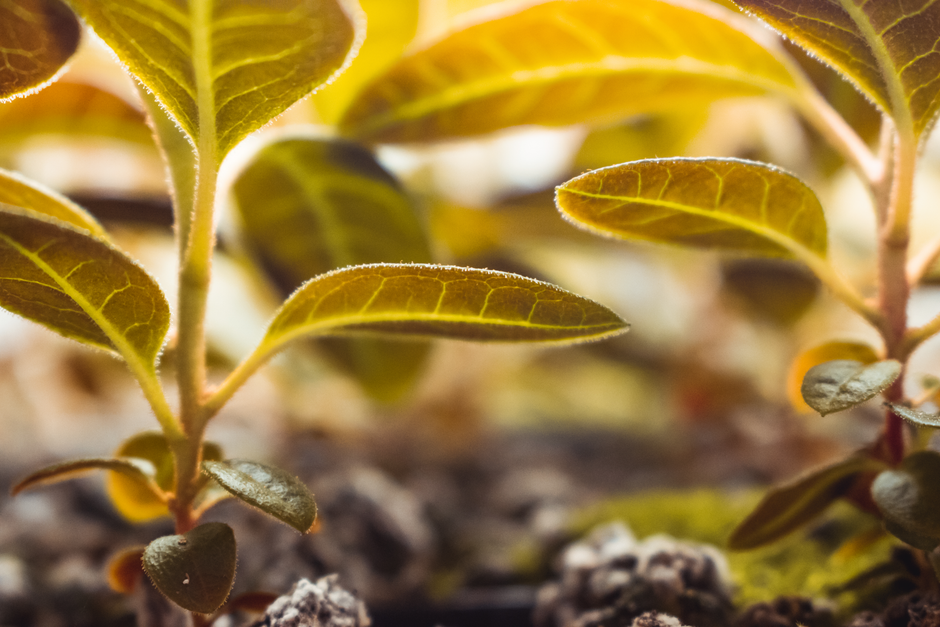
Photo by Colin Fearing on Pexels
Photosynthesis is how plants, algae, and some bacteria convert light energy into chemical energy in the form of glucose (sugar). It's an anabolic process, meaning it builds complex molecules from simpler ones.
Here's the simplified equation for photosynthesis:
6CO₂ + 6H₂O + Light Energy → C₆H₁₂O₆ + 6O₂
- Inputs: Carbon dioxide (CO₂), water (H₂O), and light energy.
- Outputs: Glucose (C₆H₁₂O₆) and oxygen (O₂).
This process occurs mainly in chloroplasts, specifically within the chlorophyll pigment which absorbs light. It has two main stages:
1. Light-Dependent Reactions: Light energy is captured and converted into chemical energy (ATP and NADPH). Water is split, releasing oxygen.
2. Light-Independent Reactions (Calvin Cycle): ATP and NADPH from the light reactions are used to fix carbon dioxide into glucose.
Cellular Respiration: Breaking Down Food for Energy

Photo by George Milton on Pexels
Cellular respiration is how organisms break down glucose to release the stored chemical energy and convert it into a usable form: ATP (adenosine triphosphate). This is a catabolic process, meaning it breaks down complex molecules into simpler ones.
Here's the simplified equation for aerobic cellular respiration:
C₆H₁₂O₆ + 6O₂ → 6CO₂ + 6H₂O + Energy (ATP)
- Inputs: Glucose (C₆H₁₂O₆) and oxygen (O₂).
- Outputs: Carbon dioxide (CO₂), water (H₂O), and energy (ATP).
This process primarily occurs in the cytoplasm and mitochondria. It has four main stages:
1. Glycolysis: Glucose is split into two pyruvate molecules in the cytoplasm. A small amount of ATP is produced. (This step doesn't require oxygen.)
2. Pyruvate Oxidation: Pyruvate is converted to acetyl-CoA, which enters the mitochondria.
3. Krebs Cycle (Citric Acid Cycle): Acetyl-CoA is further broken down, releasing CO₂ and generating more ATP, NADH, and FADH₂.
4. Oxidative Phosphorylation (Electron Transport Chain): NADH and FADH₂ donate electrons, creating a proton gradient that powers ATP synthase to produce a large amount of ATP. This stage requires oxygen as the final electron acceptor.
The Interconnection

Photo by Google DeepMind on Pexels
Photosynthesis and respiration are opposite yet complementary. The products of one are the reactants of the other, forming a continuous cycle of energy and matter.
graph LR
    A["Sunlight"] --> B["Photosynthesis"];
    B --> C["Glucose (C6H12O6)"];
    B --> D["Oxygen (O2)"];
    C --> E["Cellular Respiration"];
    D --> E;
    E --> F["Carbon Dioxide (CO2)"];
    E --> G["Water (H2O)"];
    E --> H["ATP (Energy)"];
    F --> B;
    G --> B;
3. Worked Example
Imagine a single blade of grass on a sunny day.
1. Morning sunlight: The grass's chloroplasts absorb light energy. Through photosynthesis, it takes in CO₂ from the air and water from the soil. It converts these into glucose and releases O₂. Let's say it produces 1 molecule of glucose.
6CO₂ + 6H₂O + Light Energy → C₆H₁₁O₆ + 6O₂
2. Overnight/During growth: The grass needs energy to grow, repair cells, and transport nutrients. It uses the glucose it just made (or stored starch) in its mitochondria through cellular respiration. It takes in O₂ from the air and breaks down that glucose. This releases energy in the form of ATP, along with CO₂ and water as byproducts.
C₆H₁₂O₆ + 6O₂ → 6CO₂ + 6H₂O + Energy (ATP)
This cycle continues, providing energy for the plant to live and grow, and simultaneously providing oxygen and food for other organisms.
4. Key Takeaways
- Photosynthesis converts light energy into chemical energy (glucose) using CO₂ and H₂O, releasing O₂.
- Cellular respiration breaks down glucose with O₂ to release chemical energy (ATP), producing CO₂ and H₂O.
- ATP is the primary energy currency cells use for most of their activities.
- Photosynthesis is an anabolic process; cellular respiration is a catabolic process.
- These two processes are interdependent, forming Earth's fundamental energy cycle.
Common Mistakes to Avoid:
- Don't confuse the inputs and outputs of the two processes; they're essentially reversed.
- Don't think only plants do photosynthesis and only animals do respiration; plants do both!
- Don't forget that "energy" from respiration specifically refers to ATP, not just heat.
- Don't assume all respiration requires oxygen; anaerobic respiration exists but is less efficient.
5. Now Try It
Draw the full cycle of carbon and energy flow between a plant and a simple animal (like a rabbit) using just the simplified chemical equations for photosynthesis and cellular respiration. Label what's being consumed and produced by each organism, and indicate the direction of energy flow. Your success will look like two connected processes with arrows showing the movement of glucose, oxygen, carbon dioxide, water, and energy.
Frequently asked about Bioenergetics: Photosynthesis and Respiration
Study this next
Get the full General Biology curriculum
Clone the complete plan to your dashboard for unlimited AI-generated notes, practice quizzes, and a personalised revision schedule.
Save this course free