Review and Practice Testing
From the Biology exam prep curriculum
TL;DR
Regular review helps you remember more for longer by strengthening memory connections. Practice testing actively pulls information from your brain, showing you what you know and what you don't. Combining both strategies makes your study time much more effective for biology exams.
1. The Mental Model
Think of your brain like a library. Reviewing is like reorganizing and tidying your shelves so everything's easy to find. Practice testing is like playing a scavenger hunt in that library – it forces you to actively search for specific books, which makes you better at finding them next time.
2. The Core Material
Preparing for a biology exam isn't just about reading notes; it's about making sure you can recall and apply what you've learned. Review and practice testing are two of the most powerful strategies for this.
Active Recall for Review
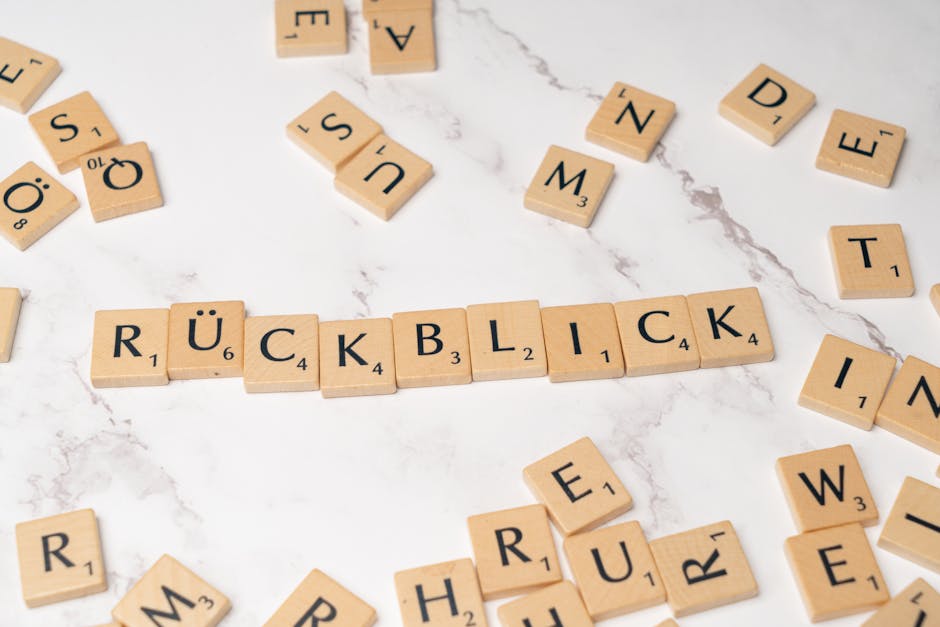
Photo by Markus Winkler on Pexels
Passive review (just rereading notes) isn't very effective. Active recall means you actively try to retrieve information from memory. This could be:
* Flashcards: Write a term on one side, its definition or explanation on the other. Don't just look at the term; try to define it before flipping.
* Summarizing without notes: After reading a section, close your book and try to explain the main concepts in your own words.
* Questioning: Turn headings into questions (e.g., "What are the parts of a eukaryotic cell?") and answer them aloud or in writing.
Spaced Repetition
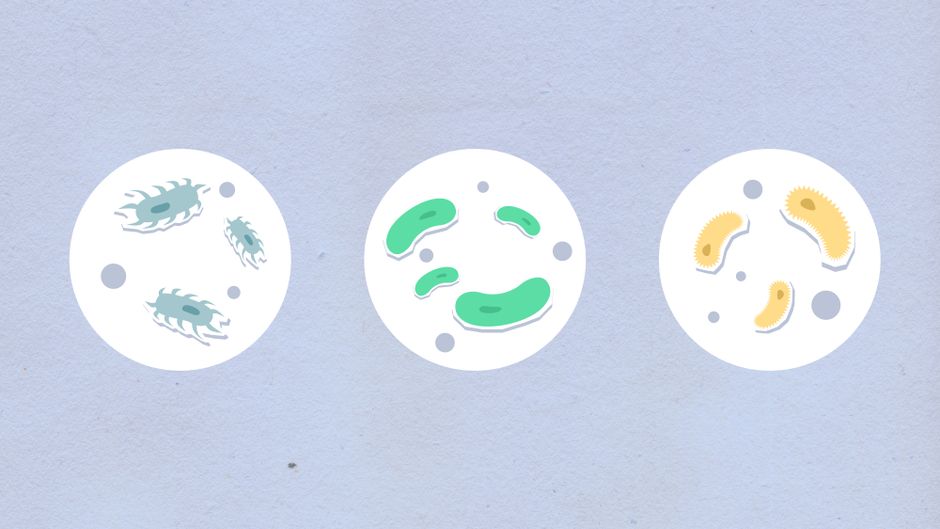
Photo by Monstera Production on Pexels
Our brains forget things over time. Spaced repetition means you review material at increasing intervals – a day later, then three days, then a week, etc. This combats the "forgetting curve" and reinforces memories right when they start to fade. Tools like Anki use this principle automatically for flashcards.
The Power of Practice Testing
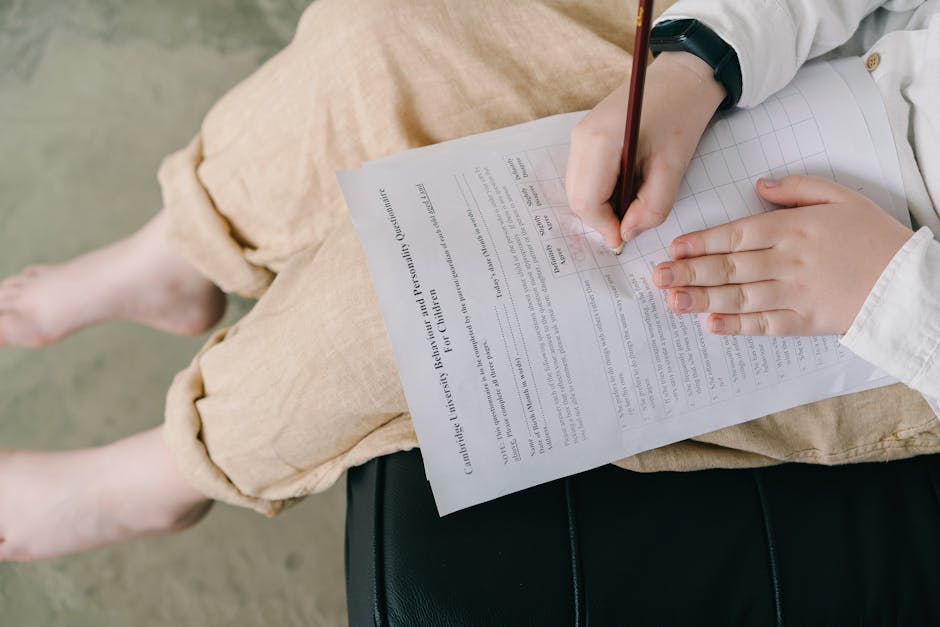
Photo by Mikhail Nilov on Pexels
Practice testing isn't just about seeing how well you'll do on the actual exam; it's a fantastic learning tool itself. When you take a practice test:
* It identifies gaps: You immediately see what you don't know. These are your "knowledge gaps" to focus on.
* It strengthens memory: The act of retrieving information makes that memory stronger and easier to access later. This is called the "testing effect."
* It reduces anxiety: Familiarity with the exam format and question types can make the real test less daunting.
* It improves application: Biology exams often require applying concepts. Practice problems force you to use what you've learned, not just define it.
Here’s how effective practice testing works:
graph TD
    A["Study a topic"] --> B["Wait a day or two"];
    B --> C{Have practice questions?};
    C -- Yes --> D["Take practice test (closed book)"];
    C -- No --> E["Create your own questions"];
    E --> D;
    D --> F["Check answers and identify errors"];
    F --> G["Review only the missed/difficult concepts"];
    G --> H["Wait longer"];
    H --> D;
Common Pitfalls to Avoid

Photo by Ann H on Pexels
- Ignoring mistakes: Don't just check if you got it right; understand why you got it wrong.
- Open-book practice: This doesn't test recall; it tests lookup skills. Take practice tests under exam conditions.
- Only memorizing definitions: Biology often requires understanding processes and relationships. Practice explaining "how" and "why."
3. Worked Example
Let's say you just finished studying the process of photosynthesis.
- Initial Study: You read your textbook chapter on photosynthesis, take notes, and maybe watch a video.
- Active Recall (1 day later): Close your notes. Can you explain the main inputs, outputs, and stages (light-dependent, Calvin cycle)? Can you draw a simplified diagram and label the key structures (chloroplast, thylakoid, stroma)?
- Practice Testing (3-4 days later): Find 5-10 multiple-choice or short-answer questions on photosynthesis from your textbook, past exams, or online resources. Take them as if it were an actual test (no notes, timed if possible).
- Example Question: "Which of the following is a direct product of the light-dependent reactions of photosynthesis?" (A) Glucose (B) Carbon Dioxide (C) ATP (D) Water.
- Review Mistakes: You chose (A) Glucose. You check the answer key and see it's (C) ATP.
- Action: Go back to your notes/textbook only for the light-dependent reactions. Re-read the section. Realize glucose is made in the Calvin cycle (light-independent reactions), while ATP and NADPH are direct products of the light-dependent reactions. Re-explain this difference to yourself.
- Spaced Repetition (1 week later): Revisit just the light-dependent reactions and Calvin cycle. Try to explain them again from memory. Maybe try another set of photosynthesis questions.
4. Key Takeaways
- Active recall, not passive rereading, is key for effective review.
- Spaced repetition helps embed information into long-term memory.
- Practice testing is a powerful learning tool, not just an assessment.
- Always review why you made a mistake on practice questions.
- Simulate exam conditions when taking practice tests for the best results.
-
Focus your review on the concepts you struggle with, not just everything.
-
Common mistake: Only reviewing material you're already good at.
- Common mistake: Not checking answers or understanding mistakes after practice tests.
- Common mistake: Cramming everything last minute instead of spacing out review.
- Common mistake: Rereading notes endlessly without testing recall.
5. Now Try It
Choose one challenging biology topic you've recently covered (e.g., cellular respiration, DNA replication, nervous system function). Spend 15 minutes reviewing it using active recall: Close your notes and try to write down or explain everything you remember about it. Then, spend another 15 minutes finding or creating 3-5 practice questions related to that topic. Answer them without looking at your notes, then check your answers and thoroughly review any concepts you got wrong, explaining the correct answer to yourself.
Frequently asked about Review and Practice Testing
More from Biology exam prep
Get the full Biology exam prep curriculum
Clone the complete plan to your dashboard for unlimited AI-generated notes, practice quizzes, and a personalised revision schedule.
Save this course free