Responses to Tectonic Hazards
From the Geography curriculum
TL;DR
Responding to tectonic hazards involves short-term emergency actions and long-term strategies to reduce risk. These responses can be categorised into modifying the event, modifying vulnerability, and modifying loss. The most effective approaches combine preparedness, mitigation, and adaptation to minimise impact.
1. The Mental Model
When a tectonic hazard strikes, you're looking at what people do before, during, and after to deal with it. Think of it as a cycle: prepare, respond, recover, and then mitigate for next time.
2. The Core Material
Responses to tectonic hazards aren't just about what happens after an earthquake or volcanic eruption; they involve a continuous process of managing risk. We can broadly classify these responses into three main areas: modifying the event, modifying vulnerability, and modifying loss.
Modifying the Event

Photo by Jona Scheuber on Pexels
This is the hardest type of response because we can't stop earthquakes or volcanic eruptions from happening. However, for some hazards like tsunamis (triggered by earthquakes), we can use early warning systems to give people time to evacuate, effectively modifying the impact of the event. Dams and barriers could also be considered a way to modify the event for secondary hazards like landslides or lahars, by channelling their flow or containing them.
Modifying Vulnerability
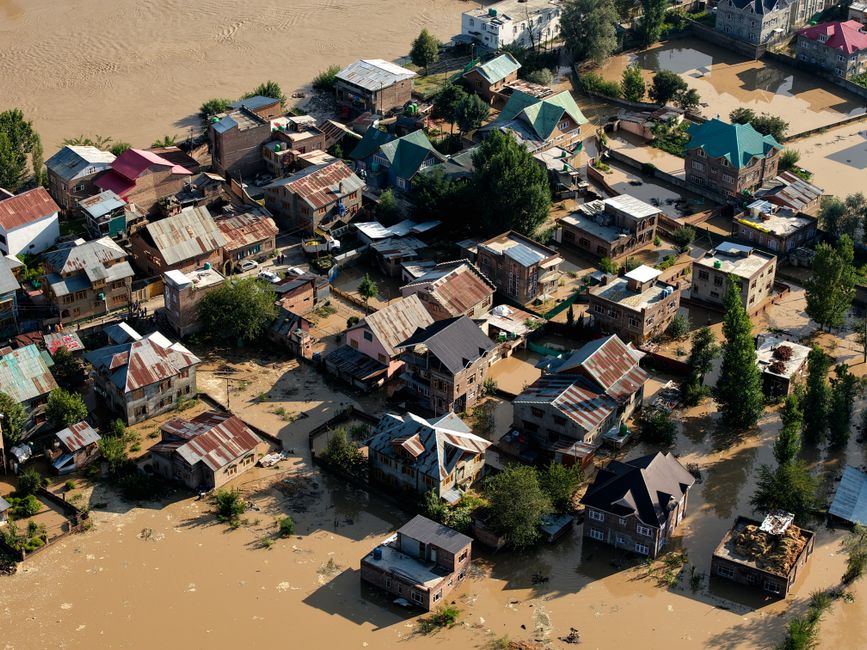
Photo by Imad Clicks on Pexels
This focuses on making people and structures less susceptible to harm. It's about reducing the exposure to the hazard and improving the capacity to cope.
- Hazard-resistant design: Building codes that require structures to withstand ground shaking (e.g., using reinforced concrete, base isolation systems for buildings). For volcanoes, this might involve building structures on stilts to allow lahars to flow underneath, or using sloped roofs to prevent ash accumulation.
- Land-use zoning: Restricting construction in high-risk areas like active fault lines, floodplains prone to tsunamis, or volcanic exclusion zones.
- Education and public awareness: Teaching people what to do before, during, and after a hazard. This includes earthquake drills, tsunami evacuation routes, and understanding volcanic warning signs.
- Early warning systems: Technology that detects an imminent hazard (like seismic sensors for earthquakes or gas monitors for volcanoes) and alerts the population, allowing for evacuation.
Modifying Loss

Photo by Nataliya Vaitkevich on Pexels
This aims to reduce the impact once a hazard has occurred and to help communities recover.
- Emergency services: Organised and well-trained teams (fire, police, medical) for search and rescue, treating the injured, and maintaining order immediately after an event.
- Insurance: Financial protection that helps individuals and businesses recover financially from damages. This reduces the long-term economic burden.
- Aid (short-term and long-term): Immediate humanitarian aid (food, water, shelter, medical supplies) followed by long-term aid for reconstruction and economic recovery.
- Reconstruction: Rebuilding damaged infrastructure and homes, often incorporating improved hazard-resistant designs.
Here's a diagram showing the relationship between these response types:
graph TD
    A["Tectonic Hazard Occurs"] --> B{"Response Strategy"};
    B --> C["Modifying the Event (Hardest)"];
    B --> D["Modifying Vulnerability (Prevention/Preparedness)"];
    B --> E["Modifying Loss (Post-Event/Recovery)"];

    C --> C1["Early Warning (e.g., Tsunami)"];
    C --> C2["Defensive Structures (e.g., Lava Barriers)"];

    D --> D1["Hazard-Resistant Buildings"];
    D --> D2["Land-Use Zoning"];
    D --> D3["Education/Drills"];
    D --> D4["Early Warning Systems"];

    E --> E1["Emergency Services"];
    E --> E2["Insurance"];
    E --> E3["Aid (Local/International)"];
    E --> E4["Reconstruction"];

    D1 --> F["Reduced Casualties/Damage"];
    D2 --> F;
    D3 --> F;
    D4 --> F;
    E1 --> F;
    E2 --> F;
    E3 --> F;
    E4 --> F;
    C1 --> F;
    C2 --> F;
    F --> G["Improved Resilience"];
It's important to remember that a holistic approach, combining elements from all three categories, leads to the most resilient communities. Developing countries often face greater challenges in implementing these responses due to limited resources, which can lead to higher death tolls and slower recovery.
3. Worked Example
Let's consider the 2011 Tohoku earthquake and tsunami in Japan.
- Modifying the Event: Japan has one of the world's most advanced tsunami warning systems. The earthquake triggered alerts, allowing some people to evacuate coastlines before the tsunami hit. However, the sheer size of the tsunami still overwhelmed many coastal defences.
- Modifying Vulnerability: Japan has incredibly strict building codes, meaning many structures (especially in urban areas) withstood the intense ground shaking of the M9.0 earthquake. Extensive education on earthquake drills and evacuation routes is also standard. Despite this, some coastal areas were not zoned for such a massive tsunami, and the sea walls, though large, were overtopped.
- Modifying Loss: Japan's well-organised emergency services were rapidly deployed for search and rescue. The country's strong economy and robust insurance schemes helped with immediate recovery and long-term reconstruction. International aid was offered, though Japan's internal capacity was high.
Even with comprehensive responses, the scale of the Tohoku event highlights that some hazards can still cause immense devastation.
4. Key Takeaways
- Responses to tectonic hazards include modifying the event, vulnerability, and loss.
- Modifying the event is difficult but can involve early warnings or defensive structures.
- Modifying vulnerability focuses on preventing harm through building codes, land-use planning, and education.
- Modifying loss deals with immediate aftermath and long-term recovery, like emergency services and insurance.
- Effective responses are integrated and involve a continuous cycle of preparedness, mitigation, and recovery.
- Developed countries often have more resources for comprehensive hazard response than developing countries.
- No single response is perfect; a combination of strategies is needed for resilience.
Common Mistakes to Avoid:
- Don't confuse mitigation (reducing future risk) with immediate response (dealing with the current event).
- Don't assume all countries can implement the same level of response; resources and development play a huge role.
- Don't forget that secondary hazards (like tsunamis, landslides) also need specific responses.
- Don't think "modifying the event" means stopping an earthquake; it's about altering its impact.
5. Now Try It
Imagine you are an urban planner for a coastal city located near a major fault line. Outline three specific strategies you would propose to modify vulnerability in your city against an earthquake and potential tsunami. For each strategy, explain briefly how it would reduce vulnerability. What would success look like for each strategy? (Limit your answer to about 150 words).
Frequently asked about Responses to Tectonic Hazards
Study this next
Get the full Geography curriculum
Clone the complete plan to your dashboard for unlimited AI-generated notes, practice quizzes, and a personalised revision schedule.
Save this course free