Understanding Natural Hazards
From the Geography curriculum
TL;DR
Natural hazards are extreme natural events that can cause harm to people and property. They become disasters when they overwhelm a community's ability to cope. Understanding these hazards involves looking at their causes, impacts, and how we can reduce their risks.
1. The Mental Model
Think of natural hazards as powerful natural processes that interact with human society. When these processes occur in areas where people live or have built infrastructure, they can become dangerous. Our vulnerability and exposure to these events determine how severe the impact will be.
2. The Core Material
Natural hazards are essentially natural processes that pose a threat to human life, property, and the environment. It's important to distinguish between a hazard and a disaster. A hazard is the potential threat, while a disaster occurs when that threat actually causes significant damage and disruption that a community can't handle on its own.
Types of Natural Hazards

Photo by Chris Brown on Pexels
Natural hazards can be broadly categorized:
- Geological Hazards: These originate from Earth's processes.
- Earthquakes: Sudden shaking of the ground caused by the movement of tectonic plates.
- Volcanic Eruptions: Release of molten rock, ash, and gases from beneath the Earth's surface.
- Landslides/Mudslides: Downward movement of rock, debris, or earth.
- Tsunamis: Large ocean waves caused by underwater earthquakes, volcanic eruptions, or landslides.
- Hydro-meteorological Hazards: These are related to weather and water.
- Floods: Overflow of water onto land that is usually dry.
- Droughts: Prolonged periods of abnormally low rainfall.
- Storms (Hurricanes, Typhoons, Cyclones, Tornadoes): Violent weather systems with strong winds and heavy precipitation.
- Heatwaves/Coldwaves: Periods of unusually hot or cold weather.
- Climatological Hazards: Long-term weather patterns.
- Wildfires: Uncontrolled fires in natural areas, often exacerbated by dry conditions.
- Climate Change Impacts: Sea-level rise, altered precipitation patterns, increased intensity of other hazards.
Factors Influencing Hazard Impact
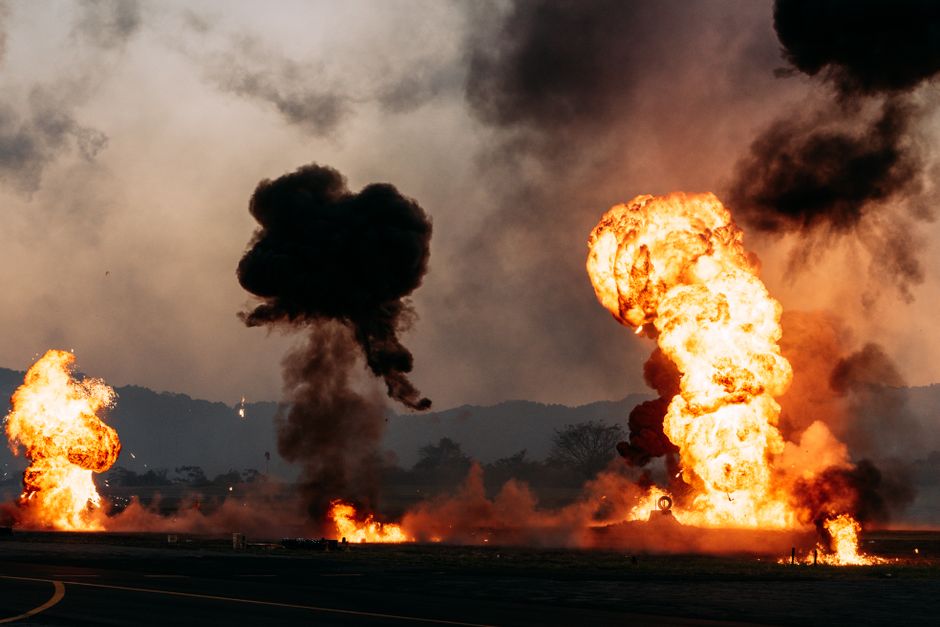
Photo by Edu Raw on Pexels
The impact of a natural hazard isn't just about its intensity; it's also about:
- Vulnerability: The susceptibility of a community to the impacts of a hazard. This includes factors like poverty, poor infrastructure, lack of early warning systems, and inadequate emergency services.
- Exposure: The presence of people, livelihoods, environmental services, and infrastructure in places that could be adversely affected by a hazard.
- Resilience: The ability of a system, community, or society to resist, absorb, accommodate, adapt to, transform, and recover from the effects of a hazard in a timely and efficient manner.
The Hazard-Disaster Relationship
Photo by Edu Raw on Pexels
It's crucial to understand how a natural event escalates into a disaster.
graph TD
    A["Natural Event (e.g., Heavy Rain)"] --> B["Hazard (e.g., Flood Potential)"]
    B --> C{{"Community Vulnerability & Exposure"}}
    C -- "High Vulnerability/Exposure" --> D["Disaster (e.g., Homes destroyed, lives lost)"]
    C -- "Low Vulnerability/Exposure" --> E["Minor Impact or Managed Event"]
Risk Reduction and Management

Photo by Markus Winkler on Pexels
Managing natural hazards involves a cycle of activities:
- Mitigation: Actions taken to reduce the severity of a hazard's impact (e.g., building codes, land-use planning, early warning systems).
- Preparedness: Planning and preparing for when a hazard strikes (e.g., evacuation plans, emergency supplies, drills).
- Response: Actions taken immediately after a hazard event to save lives and protect property (e.g., search and rescue, emergency aid).
- Recovery: Long-term efforts to restore and improve livelihoods, health, infrastructure, and environmental systems (e.g., rebuilding, economic support).
3. Worked Example
Imagine a coastal town, "Seaview," located at sea level.
- The Hazard: A powerful hurricane is forecast to make landfall, bringing extreme winds, heavy rainfall, and a significant storm surge.
- Exposure: Seaview has many homes and businesses directly on the coastline. Its port is vital for the local economy.
- Vulnerability:
- Many older homes aren't built to withstand hurricane-force winds.
- The town's sea wall is old and might not withstand a large storm surge.
- Some residents are elderly or have limited mobility, making evacuation difficult.
- The town's emergency services are well-trained but have limited resources for a major event.
- Impact (Potential Disaster): If the hurricane hits directly, widespread flooding could occur, homes could be destroyed, the port could be damaged, and there's a high risk of injuries or fatalities, overwhelming local resources.
- Mitigation/Preparedness: Seaview has an early warning system, evacuation routes are clearly marked, and the community holds annual hurricane preparedness drills. The local government has also started a program to reinforce vulnerable homes and plans to upgrade the sea wall in the future.
This example shows how the natural event (hurricane) becomes a hazard because of Seaview's location (exposure) and the characteristics of its buildings and population (vulnerability). Mitigation and preparedness efforts are crucial to reduce the potential for a full-scale disaster.
4. Key Takeaways
- Natural hazards are natural processes that pose a threat, while disasters are when these threats cause significant, unmanageable harm.
- Geological and hydro-meteorological hazards are the main categories, driven by Earth's internal and atmospheric processes, respectively.
- A community's vulnerability (susceptibility to harm) and exposure (being in harm's way) are key in determining a hazard's impact.
- Resilience is the ability of a community to bounce back after a hazardous event.
- Risk reduction involves mitigation (reducing impact), preparedness (getting ready), response (immediate action), and recovery (long-term rebuilding).
Common Mistakes to Avoid:
* Confusing a natural event (like a thunderstorm) with a natural hazard; it's only a hazard if it poses a threat to people/property.
* Assuming that intense hazards always lead to disasters; vulnerability and exposure play a huge role.
* Thinking that natural hazards can be entirely prevented; we can only manage their risks and impacts.
* Underestimating the importance of long-term planning (mitigation and recovery) in favor of just focusing on immediate response.
5. Now Try It
Choose a specific natural hazard common in your region (e.g., earthquakes, floods, wildfires). For this hazard, identify three specific ways your local community is vulnerable and three specific ways it might be exposed. Then, think of one mitigation strategy and one preparedness strategy that could reduce the risk for that hazard in your area.
Success looks like: You can clearly describe the chosen hazard, articulate specific vulnerabilities and exposures, and propose relevant, actionable strategies for risk reduction.
Frequently asked about Understanding Natural Hazards
Study this next
Get the full Geography curriculum
Clone the complete plan to your dashboard for unlimited AI-generated notes, practice quizzes, and a personalised revision schedule.
Save this course free