Ocean Dynamics: Currents, Tides, and Waves
From the oceans and life geography curriculum
TL;DR
Ocean dynamics involve continuous movement of water driven by various forces. Currents are like rivers in the ocean, tides are predictable daily sea-level changes, and waves are energy moving through water. Understanding these phenomena helps us grasp how oceans distribute heat, shape coastlines, and affect marine life.
1. The Mental Model
Think of the ocean as a giant, interconnected system always in motion. Imagine a massive conveyor belt (currents), a rhythmic breathing (tides), and ripples on its surface (waves). All three are distinct but interact, constantly shaping our planet.
2. The Core Material
Ocean Currents
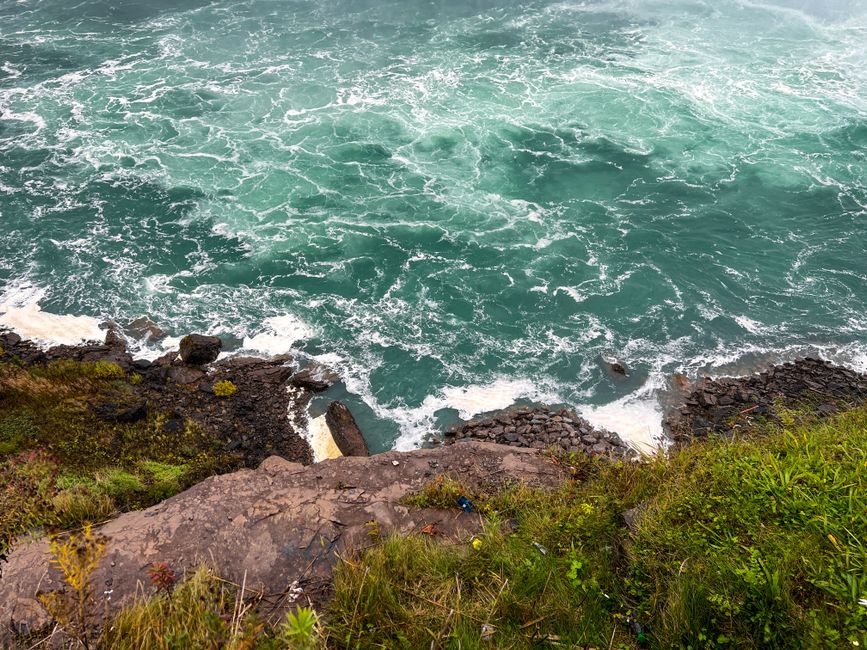
Photo by Smith Halani on Pexels
Ocean currents are continuous, directed movements of ocean water. They're driven by a combination of factors:
- Wind: Surface currents are largely driven by global wind patterns (like trade winds and westerlies) dragging on the water's surface.
- Coriolis Effect: Because the Earth rotates, moving objects (like water) appear to be deflected. In the Northern Hemisphere, currents deflect right; in the Southern Hemisphere, they deflect left. This creates large circular current systems called gyres.
- Temperature and Salinity Differences (Thermohaline Circulation): Cold, salty water is denser and sinks, while warmer, less salty water rises. This density-driven circulation is a slow, global "conveyor belt" that moves water from the surface to the deep ocean and back, redistributing heat and nutrients worldwide. This is often called the Great Ocean Conveyor Belt.
- Topography: Underwater mountains and continental landmasses influence current paths.
Understanding these drivers helps us see how heat is distributed from the equator to the poles, affecting global climates. For example, the Gulf Stream brings warm water to Western Europe, making its climate milder than other regions at similar latitudes.
Tides
Tides are the regular rise and fall of sea levels, primarily caused by the gravitational pull of the Moon and, to a lesser extent, the Sun, on Earth's oceans.
- Moon's Influence: The Moon's gravity pulls on the Earth. It pulls the ocean water on the side of Earth facing it, creating a bulge. Simultaneously, it pulls the Earth itself away from the water on the opposite side, creating another bulge there.
- High and Low Tides: As the Earth rotates, any given location passes through these two bulges (high tides) and the two areas between them (low tides) each day. Most places experience two high tides and two low tides daily.
- Sun's Influence: The Sun also exerts a gravitational pull. When the Sun, Moon, and Earth align (during new and full moons), their gravitational forces combine to create extra-high high tides and extra-low low tides called spring tides. When the Sun and Moon are at right angles to Earth (during quarter moons), their pulls partially cancel each other out, resulting in less extreme tides called neap tides.
Waves
Ocean waves are essentially energy moving through water, not the water itself moving across the ocean.
- Formation: Most waves are generated by wind blowing over the ocean surface. The strength of the wind, the duration it blows, and the distance over which it blows (fetch) all influence wave size.
- Wave Anatomy:
- Crest: The highest point of a wave.
- Trough: The lowest point of a wave.
- Wavelength: The horizontal distance between two consecutive crests (or troughs).
- Wave Height: The vertical distance from a trough to a crest.
- Wave Period: The time it takes for two successive crests to pass a fixed point.
- Wave Movement: In deep water, water particles move in circular orbits as a wave passes. As waves approach the shore, the seafloor interferes with these orbits, causing the waves to slow down, their wavelength to decrease, and their height to increase until they eventually break.
- Types of Waves: While wind-generated waves are most common, other types include tsunamis (generated by underwater earthquakes or landslides) and internal waves (occurring at density boundaries within the ocean).
graph TD
    A["Forces Driving Ocean Dynamics"] --> B("Ocean Currents")
    A --> C("Tides")
    A --> D("Waves")

    B --> B1["Wind Stress"]
    B --> B2["Coriolis Effect"]
    B --> B3["Thermohaline Circulation (Density Differences)"]
    B --> B4["Seafloor Topography"]

    C --> C1["Gravitational Pull of Moon"]
    C --> C2["Gravitational Pull of Sun"]
    C1 & C2 --> C3["Spring Tides (Aligned)"]
    C1 & C2 --> C4["Neap Tides (Right Angles)"]

    D --> D1["Wind (Primary Cause)"]
    D1 --> D2["Wind Speed"]
    D1 --> D3["Wind Duration"]
    D1 --> D4["Fetch (Distance Wind Blows)"]
    D --> D5["Other Causes (Earthquakes, Landslides for Tsunamis)"]
3. Worked Example
Let's consider how currents, tides, and waves might affect a coastal town in Western Europe, like Brest, France.
- Ocean Currents: Brest benefits significantly from the North Atlantic Drift, which is an extension of the Gulf Stream. This warm current carries heat from the tropics northeastward, giving Brest a milder, wetter climate than other places at similar latitudes (like parts of Canada). Without this current, Brest's winters would be much harsher.
- Tides: Brest experiences significant tidal ranges. Because it's on the Atlantic coast, the gravitational pull of the Moon and Sun creates noticeable high and low tides. Fishermen in Brest must plan their departures and returns around these tidal cycles, ensuring enough water depth in the harbor. During new or full moons, they'd experience larger spring tides, making the difference between high and low water even more dramatic.
- Waves: Brest is exposed to the open Atlantic. Prevailing westerly winds generate waves that constantly batter its coast. These waves are crucial for coastal erosion and sediment transport, shaping the beaches and cliffs around Brest. Surfers might look for specific wind conditions (strong winds blowing over a long fetch) to find larger, more powerful waves, while harbor authorities need robust breakwaters to protect ships from wave action.
4. Key Takeaways
- Ocean currents are large-scale movements of water driven by wind, density differences, Earth's rotation, and topography, crucial for heat distribution.
- Tides are predictable sea-level changes caused mainly by the Moon's gravity, with the Sun influencing their intensity (spring vs. neap).
- Waves are energy propagating through water, primarily generated by wind, and they break as they approach shallower coastal areas.
- The Coriolis effect deflects currents to the right in the Northern Hemisphere and left in the Southern Hemisphere, forming gyres.
- Thermohaline circulation, or the Great Ocean Conveyor Belt, is a global system of deep-ocean currents driven by temperature and salinity differences.
- Tides are not solely caused by the Moon but are a result of differential gravitational forces across the Earth.
- Waves transfer energy, not necessarily water mass, across the ocean.
Common Mistakes to Avoid:
- Don't confuse currents (mass movement of water) with waves (energy movement through water).
- Don't forget the Sun's role in tides; it modifies the Moon's primary influence, leading to spring and neap tides.
- Don't assume all waves are wind-generated; tsunamis are a significant exception.
- Don't underestimate the role of Earth's rotation (Coriolis effect) in shaping large-scale ocean currents.
5. Now Try It
Imagine you're a marine biologist studying a specific coral reef. Describe how the local ocean currents, tidal patterns, and wave action might influence the reef's health and the types of marine life you'd expect to find there. Consider how each dynamic element brings nutrients, removes waste, affects light penetration, or causes physical stress.
What success looks like: A short paragraph (3-5 sentences) that correctly identifies a plausible interaction for each of the three dynamics (currents, tides, waves) and its potential impact on the reef ecosystem.
Frequently asked about Ocean Dynamics: Currents, Tides, and Waves
Study this next
Get the full oceans and life geography curriculum
Clone the complete plan to your dashboard for unlimited AI-generated notes, practice quizzes, and a personalised revision schedule.
Save this course free