Foundations of Natural Resources and Sustainability
From the geographyo level georaphy complete notes natural resources an issue of sustainability of water curriculum
Foundations of Natural Resources and Sustainability
TL;DR
Natural resources are Earth's materials vital for life and human societies, categorised as renewable or non-renewable. Sustainability means using these resources wisely now without compromising future generations' ability to meet their needs. Water is a critical natural resource facing significant sustainability challenges due to growing demand and pollution.
1. The Mental Model
Think of Earth as your pantry. Natural resources are the ingredients. Sustainability is cooking just enough for today and making sure there's plenty left for tomorrow, avoiding waste or spoilage.
2. The Core Material
Natural resources are anything in the natural environment that humans use. They're essential for our survival and development.
Types of Natural Resources
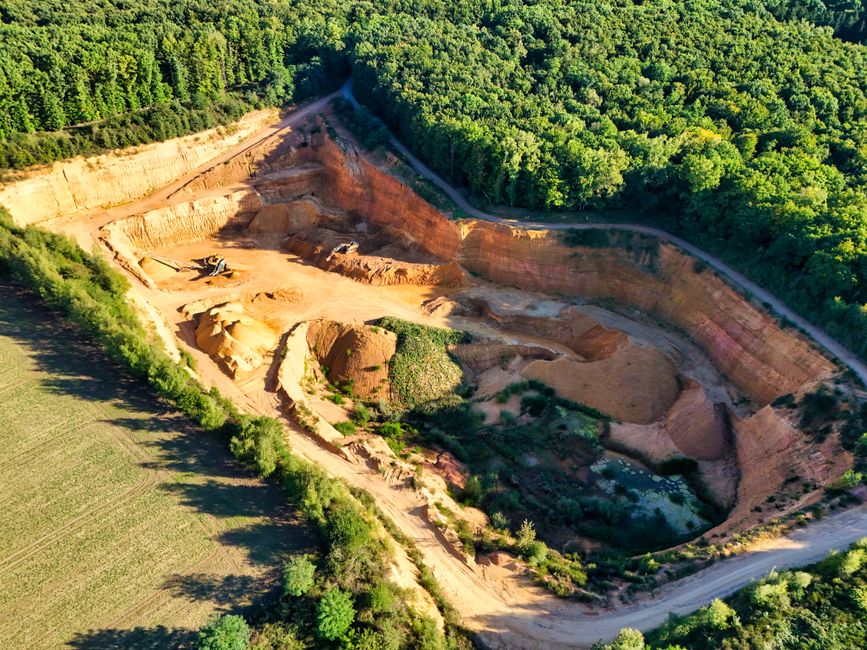
Photo by Volker Braun on Pexels
- Renewable Resources: These can replenish naturally over a relatively short period, often within a human lifetime. Think of them as ingredients that regrow quickly.
- Examples: Sunlight, wind, water (though its availability can be finite locally), forests (if managed sustainably), biomass.
- Non-renewable Resources: These exist in fixed amounts or are used up much faster than nature can create them. Once they're gone, they're gone, or at least won't be available for millions of years.
- Examples: Fossil fuels (coal, oil, natural gas), minerals (iron, copper, gold), nuclear fuels (uranium).
The Concept of Sustainability

Photo by Thirdman on Pexels
Sustainability is about balancing our current needs with the needs of future generations. It's not just about the environment; it also includes social and economic aspects. For resources, it means using them in a way that doesn't deplete them or harm the environment irreversibly.
Why Sustainability Matters for Natural Resources

Photo by Tom Fisk on Pexels
If we overuse or pollute our resources, we face several problems:
- Depletion: Running out of essential materials.
- Environmental Degradation: Damage to ecosystems, biodiversity loss, climate change.
- Social & Economic Impacts: Resource scarcity can lead to conflicts, poverty, and reduced quality of life.
Water: A Key Sustainability Challenge
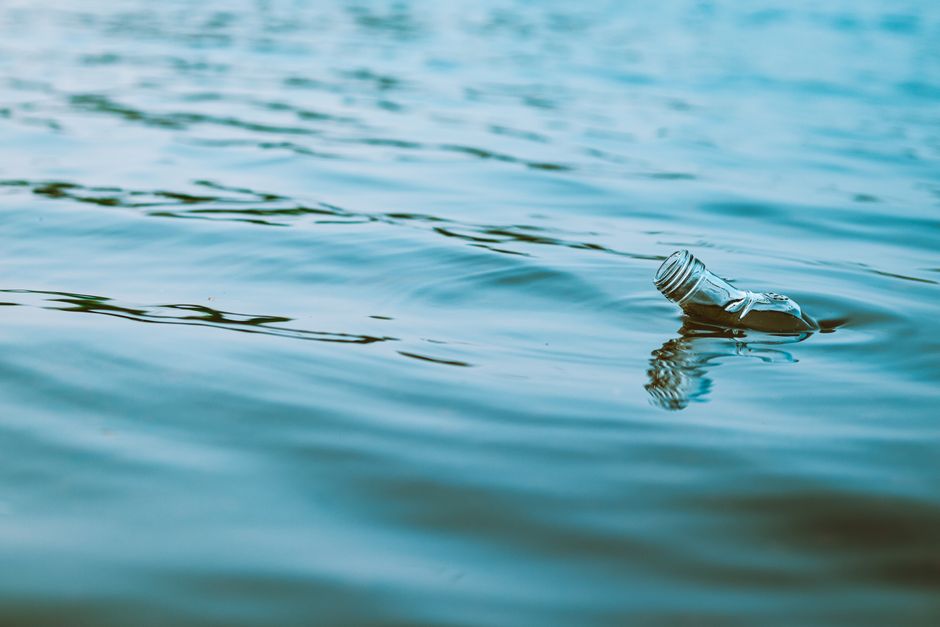
Photo by Dhilip Antony on Pexels
Water is a renewable resource, but its availability (how much clean, fresh water is accessible) isn't infinite.
- Sources of Fresh Water: Rivers, lakes, groundwater (aquifers), glaciers, and ice caps. Most of Earth's water is saltwater or frozen.
- Uses of Water: Drinking, agriculture (irrigation), industry, energy production, sanitation.
- Sustainability Issues with Water:
- Scarcity: Uneven distribution, droughts, overuse (e.g., draining aquifers faster than they recharge).
- Pollution: Industrial waste, agricultural runoff, sewage contaminates water sources, making them unusable.
- Climate Change: Affects precipitation patterns, leading to more extreme floods and droughts.
You can visualise the interconnectedness of water sustainability issues like this:
graph TD
    A["Population Growth & Development"] --> B["Increased Water Demand"]
    B --> C1["Over-extraction of Groundwater"]
    B --> C2["Increased Surface Water Use"]
    C1 --> D1["Aquifer Depletion"]
    C2 --> D2["River/Lake Level Drop"]
    E["Industrial & Agricultural Practices"] --> F["Water Pollution"]
    F --> G["Reduced Clean Water Availability"]
    H["Climate Change"] --> I["Altered Rainfall Patterns"]
    I --> J1["Increased Droughts"]
    I --> J2["Increased Floods"]
    J1 --> K["Water Scarcity"]
    J2 --> L["Infrastructure Damage & Contamination"]
    D1 --> K
    D2 --> K
    G --> K
    K --> M["Impact on Human Health & Food Security"]
    L --> G
3. Worked Example
Consider the Aral Sea, once the world's fourth-largest freshwater lake, located in Central Asia. Starting in the 1960s, the rivers feeding the Aral Sea were diverted by the Soviet Union for large-scale cotton irrigation projects. This was a direct example of unsustainable resource use.
- Resource: Freshwater from the Amu Darya and Syr Darya rivers, and the Aral Sea itself.
- Unsustainable Practice: Excessive diversion of river water for agriculture, far exceeding the natural recharge rate of the rivers and the sea.
- Consequences:
- The Aral Sea has shrunk to less than 10% of its original size, effectively becoming multiple smaller, hypersaline lakes.
- Fishing industries collapsed, leading to mass unemployment and poverty.
- The exposed seabed, laden with salts and toxic chemicals from agricultural runoff, became airborne dust storms, causing severe health problems for local populations.
- Local climate changed, with harsher winters and hotter summers.
This demonstrates how prioritising short-term economic gains (cotton production) at the expense of long-term environmental sustainability led to ecological disaster and severe socio-economic hardship.
4. Key Takeaways
- Natural resources are Earth's materials that support human life and development.
- Resources are categorised as renewable (can replenish) or non-renewable (finite).
- Sustainability is about meeting current needs without harming future generations' ability to meet theirs.
- Unsustainable resource use leads to depletion, environmental damage, and socio-economic problems.
- Water is a vital, renewable resource, but its sustainable management is challenged by scarcity, pollution, and climate change.
-
Understanding the interconnectedness of resource use and its impacts is crucial for effective management.
-
Common Mistakes to Avoid:
- Thinking "renewable" means "infinite" – even renewable resources like water can be depleted or polluted.
- Focusing solely on economic gain without considering environmental or social impacts.
- Believing resource problems are always someone else's responsibility.
- Ignoring local context; global solutions might not fit local resource challenges.
5. Now Try It
For 15 minutes, research a natural resource issue in your local area or country (e.g., deforestation, overfishing, groundwater depletion, air pollution, waste management). Identify whether the resource is renewable or non-renewable, describe the sustainability challenge it faces, and suggest one practical step that could be taken to improve its sustainability. What would success look like if that step were implemented?
Frequently asked about Foundations of Natural Resources and Sustainability
Study this next
Get the full geographyo level georaphy complete notes natural resources an issue of sustainability of water curriculum
Clone the complete plan to your dashboard for unlimited AI-generated notes, practice quizzes, and a personalised revision schedule.
Create Free Account