Introduction to Taxonomy and Classification
From the Biology 1 Biomed curriculum
TL;DR
Taxonomy is the science of naming, describing, and classifying organisms, while classification is the process of grouping these organisms based on shared characteristics. We use a hierarchical system, from broad domains down to specific species, to organize the vast diversity of life. This system helps us understand evolutionary relationships and communicate clearly about organisms.
1. The Mental Model
Imagine organizing a huge library with millions of books. You'd group them by genre, then author, then specific title. Taxonomy and classification do the same thing for living organisms, creating a clear, hierarchical system to make sense of life's incredible diversity.
2. The Core Material
What is Taxonomy?
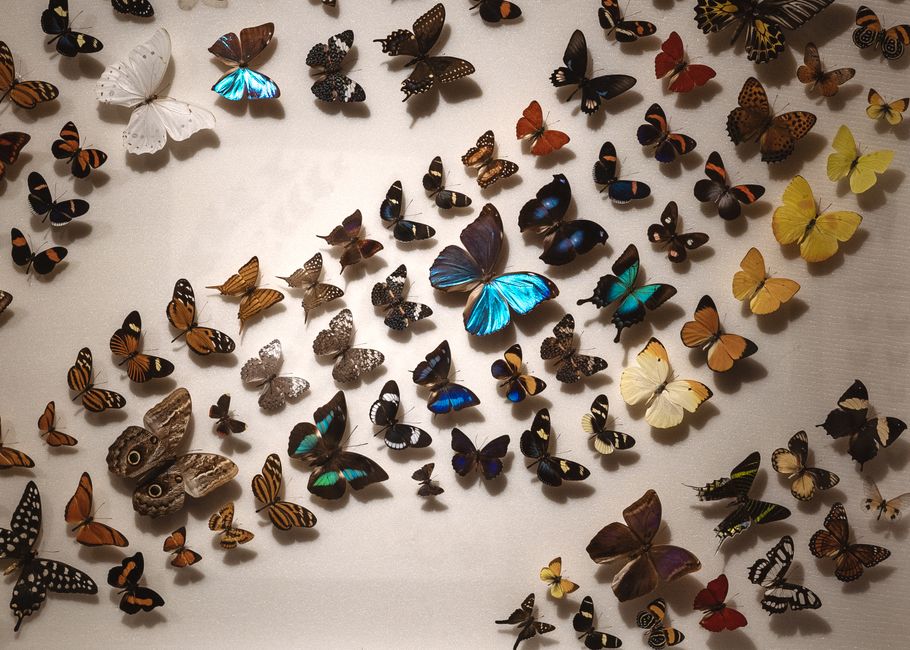
Photo by Giulia Botan on Pexels
Taxonomy comes from Greek words "taxis" (arrangement) and "nomia" (method). It's the scientific discipline concerned with naming, describing, and classifying organisms. Think of it as giving each living thing a unique, universally recognized name and a detailed description.
What is Classification?

Photo by Ann H on Pexels
Classification is the actual process of arranging organisms into groups or categories based on their similarities and differences. It's how we organize the taxonomic information into a structured system. Historically, classification was based on observable physical traits, but now it heavily incorporates genetic and evolutionary relationships (phylogeny).
The Linnaean System: A Hierarchy of Life

Photo by Mario Spencer on Pexels
The most widely used classification system was developed by Carl Linnaeus. It's a hierarchical system, meaning it has several levels, from very broad categories to very specific ones. Each level is called a taxon (plural: taxa).
Here's the general hierarchy, from broadest to most specific:
- Domain: The broadest category; includes Bacteria, Archaea, and Eukarya.
- Kingdom: Within domains, e.g., Animalia, Plantae, Fungi.
- Phylum: Groups organisms with a common body plan, e.g., Chordata (vertebrates).
- Class: More specific grouping within a phylum, e.g., Mammalia.
- Order: Groups related families, e.g., Primates.
- Family: Groups related genera, e.g., Hominidae (great apes).
- Genus: Groups closely related species, e.g., Homo.
- Species: The most specific level; organisms that can interbreed and produce fertile offspring, e.g., sapiens.
Think of it like a set of nested boxes, with smaller boxes inside larger ones.
graph TD
    Domain --> Kingdom;
    Kingdom --> Phylum;
    Phylum --> Class;
    Class --> Order;
    Order --> Family;
    Family --> Genus;
    Genus --> Species;
Binomial Nomenclature
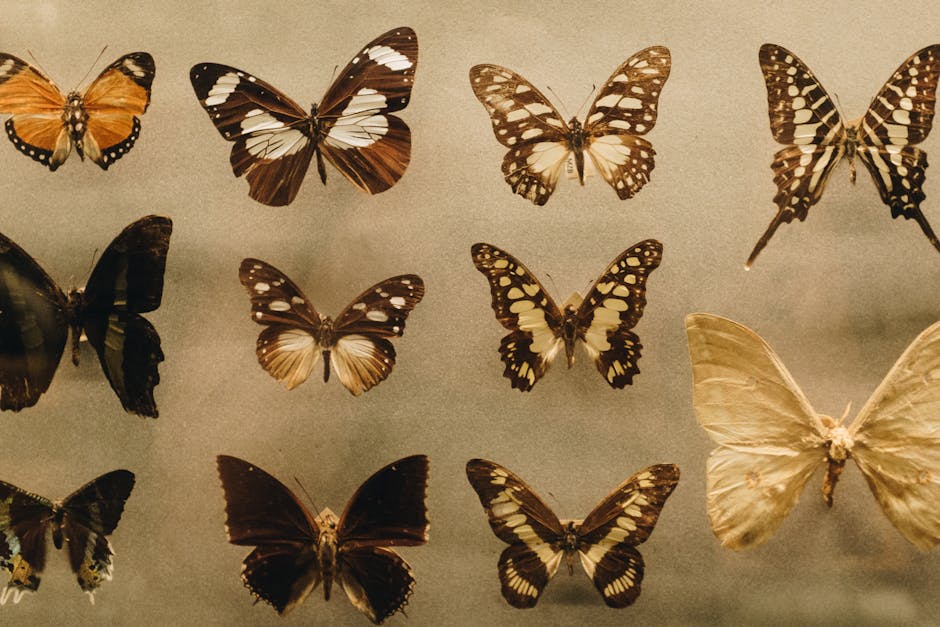
Photo by Cátia Matos on Pexels
A key part of taxonomy is binomial nomenclature, also introduced by Linnaeus. This is the two-part naming system for species:
- The first part is the genus name, always capitalized.
- The second part is the species epithet (or specific epithet), always lowercase.
- Both parts are always italicized (or underlined if handwritten).
For example, for humans, our scientific name is Homo sapiens. Homo is the genus, and sapiens is the species epithet. This system provides a unique, universal name for every known species, avoiding confusion from common names which can vary by region or language.
Why is this important?
- Organization: Helps manage the vast diversity of life.
- Communication: Provides a universal language for biologists worldwide.
- Evolutionary Relationships: Modern classification reflects evolutionary history, helping us understand how species are related.
- Conservation: Helps identify and prioritize species for conservation efforts.
3. Worked Example
Let's classify a common domestic cat, Felis catus, using the hierarchical system:
- Domain: Eukarya (cells have a nucleus)
- Kingdom: Animalia (multicellular, heterotrophic, no cell walls)
- Phylum: Chordata (has a notochord/spinal cord)
- Class: Mammalia (has fur, mammary glands, live birth)
- Order: Carnivora (meat-eating mammals)
- Family: Felidae (cat family)
- Genus: Felis (small cats)
- Species: Felis catus (domestic cat)
This full classification tells us a lot about the cat's fundamental biology and its evolutionary relatives at each level. For instance, at the Family level, Felis catus is related to lions (Panthera leo) and tigers (Panthera tigris) because they are all in the Felidae family, but at the Genus level, Felis catus is more closely related to wildcats (Felis silvestris) than to lions.
4. Key Takeaways
- Taxonomy is the science of naming and classifying organisms.
- Classification is the process of arranging organisms into hierarchical groups.
- The Linnaean system uses a hierarchy from Domain to Species.
- Binomial nomenclature gives each species a unique, two-part scientific name (Genus species).
- This system provides a universal way to organize and communicate about life's diversity.
Common Mistakes to Avoid:
- Don't confuse "taxonomy" (the science) with "classification" (the process).
- Always italicize or underline scientific names, and capitalize only the genus.
- Don't mix up the order of the taxonomic ranks (e.g., Phylum before Class).
- Don't think of classification as just arbitrary grouping; it reflects evolutionary relationships.
5. Now Try It
Take any animal or plant you know (e.g., dog, human, rose, oak tree) and try to classify it from Domain down to Species. You'll likely need to use a quick online search to find its full classification. The goal is to accurately list each taxonomic rank and the corresponding taxon for your chosen organism. Success looks like correctly identifying at least five out of the eight main taxonomic ranks with their proper names for your organism.
Frequently asked about Introduction to Taxonomy and Classification
Study this next
Get the full Biology 1 Biomed curriculum
Clone the complete plan to your dashboard for unlimited AI-generated notes, practice quizzes, and a personalised revision schedule.
Save this course free