Characteristics and Classification of Living Organisms
From the Edexcel Biology curriculum
Characteristics and Classification of Living Organisms
TL;DR
Living things share seven key characteristics, making them different from non-living things. Scientists group organisms into a hierarchy based on their shared features to understand life's diversity. This classification helps us study relationships and evolution more easily.
1. The Mental Model
Think of living things as having a checklist of essential jobs they all do. Scientists then sort these living things into neat piles and smaller sub-piles based on how similar they are.
2. The Core Material
The Seven Characteristics of Life (MRS GREN)
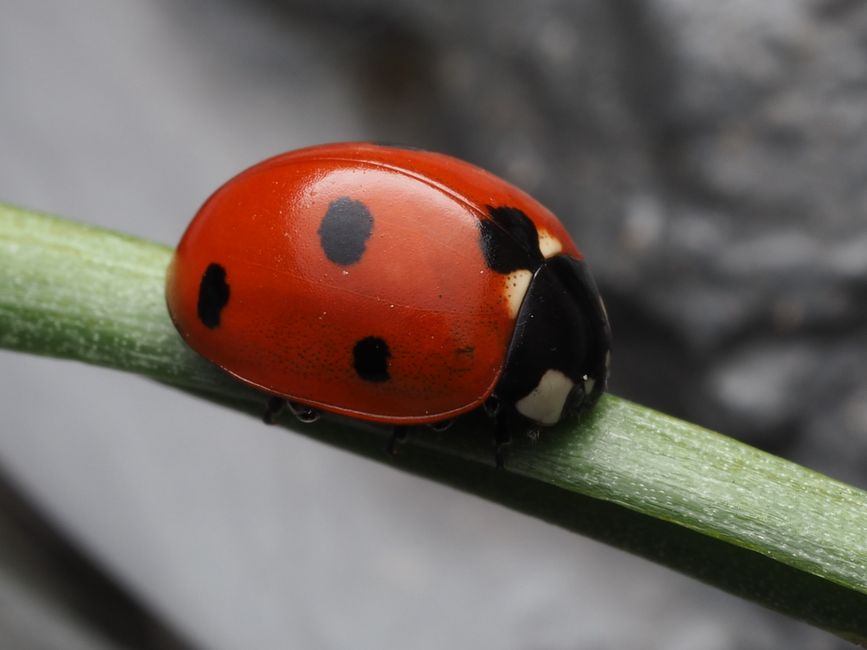
Photo by Ali Goode on Pexels
All living organisms, from the smallest bacteria to the largest whales, show these seven fundamental characteristics. You can remember them with the acronym MRS GREN:
- Movement: All living organisms can move, even if it's just parts of them or movement towards light.
- Respiration: This is the process of breaking down food to release energy for life processes. It's not just breathing!
- Sensitivity: Living things can detect and respond to changes in their surroundings.
- Growth: All organisms increase in size and/or complexity during their lifespan.
- Reproduction: Living things can produce offspring, ensuring the continuation of their species.
- Excretion: This is the removal of waste products of metabolism from the body.
- Nutrition: Organisms take in and use food for energy, growth, and repair.
Classification of Organisms

Photo by mali maeder on Pexels
Classification is how biologists group organisms. It helps us organize the vast diversity of life, identify new species, and understand evolutionary relationships. The main system used is called the Linnaean system, which groups organisms into a hierarchical structure.
Hierarchical Classification
Organisms are sorted into increasingly specific groups. Imagine a set of Russian dolls, where each doll fits inside a larger one.
graph TD
    K["Kingdom (e.g., Animalia)"] --> P["Phylum (e.g., Chordata)"]
    P --> C["Class (e.g., Mammalia)"]
    C --> O["Order (e.g., Primates)"]
    O --> F["Family (e.g., Hominidae)"]
    F --> G["Genus (e.g., Homo)"]
    G --> S["Species (e.g., sapiens)"]
- Kingdom: The broadest group (e.g., Animals, Plants, Fungi, Protoctista, Prokaryotes).
- Phylum: A large group within a kingdom, sharing general body plans.
- Class: A group within a phylum.
- Order: A group within a class.
- Family: A group within an order.
- Genus: A group of closely related species.
- Species: The most specific group. Organisms within the same species can interbreed and produce fertile offspring.
Binomial Naming System
Every known species is given a unique two-part name, called a binomial name. This is like its scientific first name and last name.
* The first part is the genus name (always starts with a capital letter).
* The second part is the species name (always starts with a lowercase letter).
* Both parts are usually written in italics (or underlined if handwritten).
For example, humans are Homo sapiens. Homo is the genus, and sapiens is the species. This universal naming system avoids confusion caused by common names that vary by language or region.
The Five Kingdoms
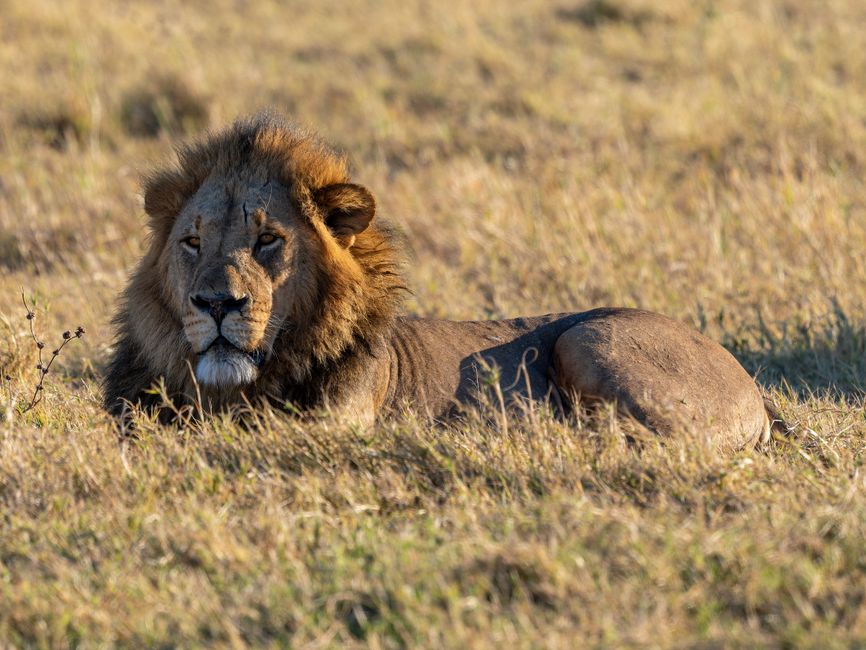
Photo by Rino Adamo on Pexels
While there are other classification systems, the five-kingdom system is a common way to broadly categorize living organisms:
- Animalia: Multicellular, heterotrophic (eat other organisms), no cell walls, usually move.
- Plantae: Multicellular, autotrophic (make their own food via photosynthesis), have cell walls.
- Fungi: Mostly multicellular (yeast is unicellular), heterotrophic (absorb nutrients), have cell walls (chitin).
- Protoctista: Mostly unicellular eukaryotes (cells with a nucleus), very diverse group.
- Prokaryotes (Monera): Unicellular prokaryotes (cells without a nucleus), includes bacteria and archaea.
3. Worked Example
Let's classify a common domestic cat using the hierarchical system and its binomial name.
- Kingdom: Animalia (it's an animal)
- Phylum: Chordata (it has a backbone)
- Class: Mammalia (it's a mammal – fur, live birth, milk)
- Order: Carnivora (it's a carnivore – meat-eater)
- Family: Felidae (it's a cat – specifically, a "true cat")
- Genus: Felis (a group of small to medium-sized cats)
- Species: catus (domestic cat)
Its binomial name is Felis catus. This name uniquely identifies it globally.
4. Key Takeaways
- All living organisms display seven key characteristics: Movement, Respiration, Sensitivity, Growth, Reproduction, Excretion, and Nutrition (MRS GREN).
- Classification sorts organisms into a hierarchy from broad Kingdoms down to specific Species.
- The main hierarchical levels are Kingdom, Phylum, Class, Order, Family, Genus, and Species.
- The binomial system gives each species a unique two-part scientific name: Genus species.
- The five kingdoms are Animalia, Plantae, Fungi, Protoctista, and Prokaryotes.
- Being able to reproduce fertile offspring is the key definition of a species.
Common Mistakes to Avoid:
- Don't confuse respiration (energy release) with breathing.
- Forgetting to underline or italicize binomial names.
- Mixing up the order of the classification hierarchy.
- Thinking all movement means changing location; it can be internal too.
5. Now Try It
Choose any animal or plant you know well (e.g., a dog, a rose, an oak tree). First, list how it shows all seven characteristics of MRS GREN. Then, try to classify it as far down the hierarchy as you can reasonably guess, and state its binomial name if you know it (or can make an educated guess for Genus and Species).
What success looks like: You've correctly applied MRS GREN to your chosen organism, and you've listed at least Kingdom, Phylum, Class, and ideally its full binomial name.
Frequently asked about Characteristics and Classification of Living Organisms
More from Edexcel Biology
Get the full Edexcel Biology curriculum
Clone the complete plan to your dashboard for unlimited AI-generated notes, practice quizzes, and a personalised revision schedule.
Create Free Account