Biodiversity: Levels and Distribution
From the Science chapter 11 curriculum
TL;DR
Biodiversity is the variety of life on Earth, encompassing genetic, species, and ecosystem diversity. This variety isn't spread evenly across the globe; some areas, like tropical rainforests and coral reefs, are biodiversity hotspots. Understanding these levels and patterns helps us appreciate and protect our planet's living systems.
1. The Mental Model
Imagine biodiversity like a giant, incredibly complex jigsaw puzzle where each piece is a unique living thing or a unique environment. The "levels" are like looking at the puzzle up close (individual pieces), then at groups of pieces (sections), and finally at the whole picture (the entire puzzle). The "distribution" is about where these different pieces and sections are found on the planet.
2. The Core Material
Biodiversity, short for biological diversity, refers to the variety of life on Earth at all its levels. It's crucial for the health and stability of ecosystems and provides countless benefits to humans, from food and medicine to clean air and water.
There are three main levels of biodiversity:
Genetic Diversity
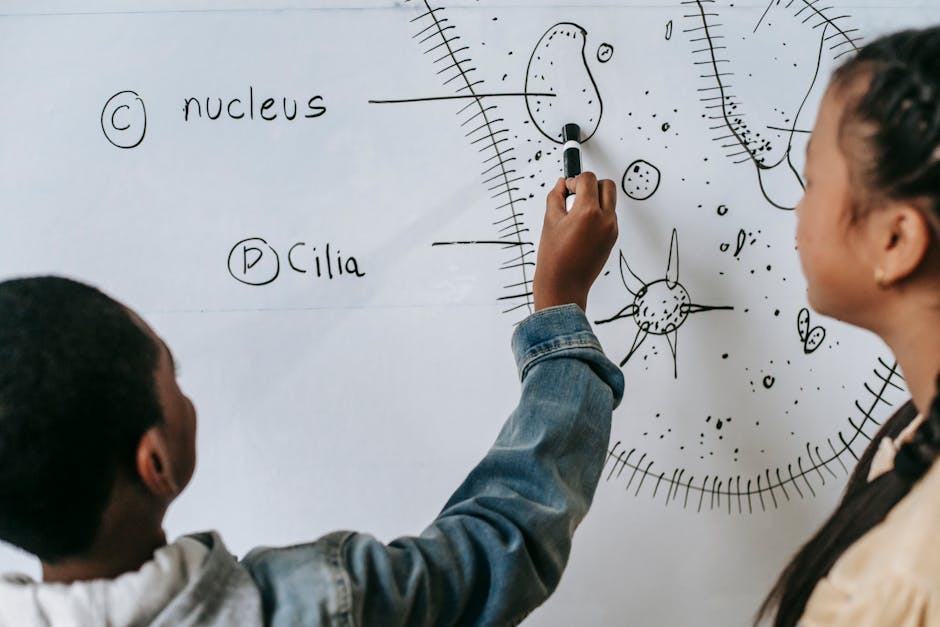
Photo by Katerina Holmes on Pexels
This is the variation in genes within a single species. Think of all the different breeds of dogs – they're all dogs, but their genes make them look and behave differently. High genetic diversity within a species makes it more resilient to diseases or environmental changes because there's a better chance some individuals will have the genes to survive.
Species Diversity
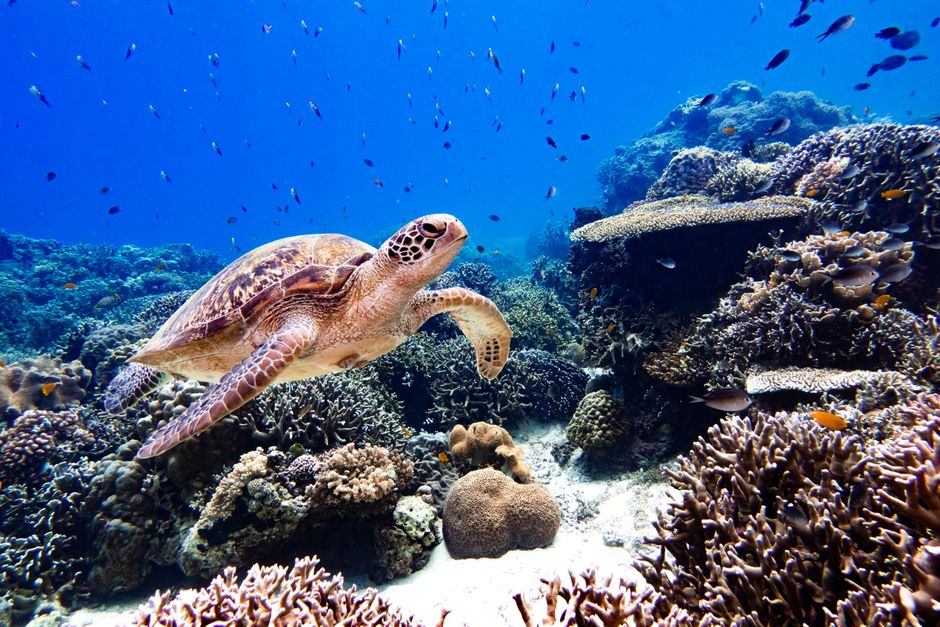
Photo by Matt Botha on Pexels
This refers to the variety of different species in a given area. It's usually measured by two things:
* Species richness: The number of different species present.
* Species evenness: How equal the population sizes of those different species are. For example, a forest with 10 species where each has 100 individuals is more diverse than a forest with 10 species where one species has 900 individuals and the others have 10 each.
Ecosystem Diversity
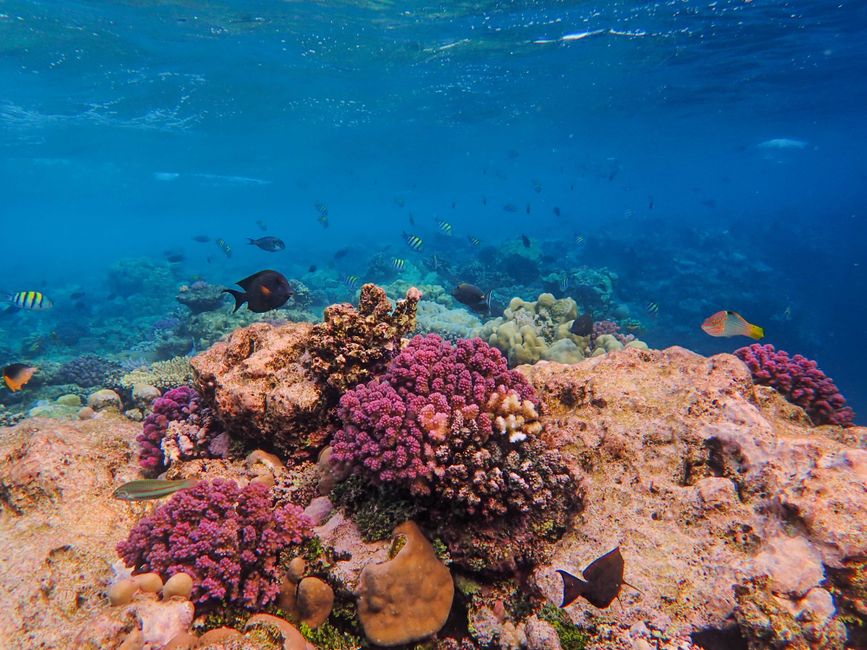
Photo by Francesco Ungaro on Pexels
This is the variety of different habitats, communities, and ecological processes within a larger area. This includes things like deserts, forests, grasslands, oceans, and wetlands. Each ecosystem has its own unique set of species interacting with each other and their non-living environment.
Distribution of Biodiversity
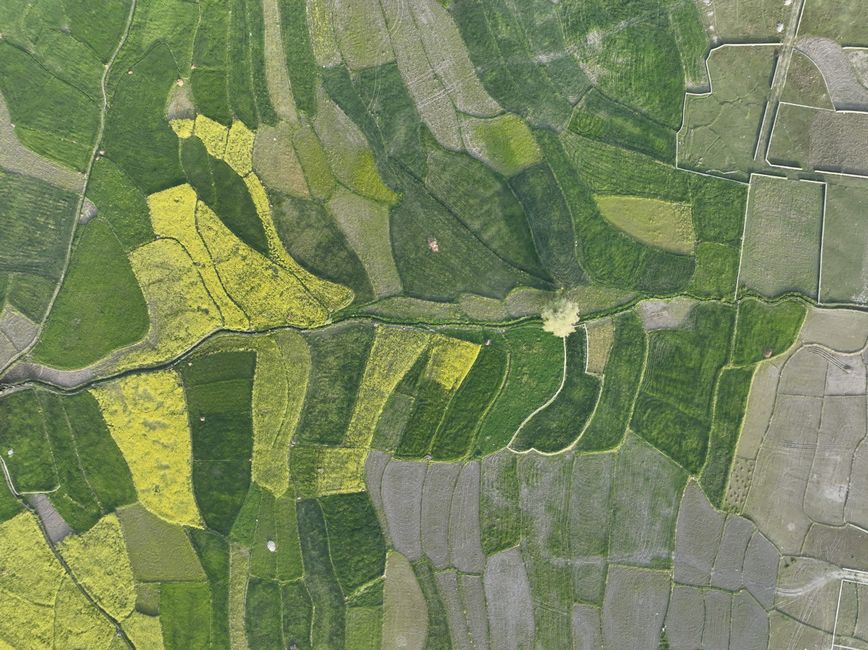
Photo by Syed Qaarif Andrabi on Pexels
Biodiversity isn't uniform across the planet; some regions are much richer in species than others. Here's a general overview of its distribution:
- Latitudinal Gradient: Generally, biodiversity increases as you move from the poles towards the equator. Tropical regions, especially rainforests and coral reefs, are exceptionally biodiverse.
- Altitude Gradient: Biodiversity often decreases as altitude increases on mountains. Higher altitudes typically have harsher conditions, limiting the types of species that can survive.
- Geographic Factors:
- Climate: Areas with stable, warm, and wet climates (like the tropics) tend to support more life.
- Productivity: Regions with high primary productivity (lots of plant growth) can support a greater variety of consumers.
- Habitat Heterogeneity: Areas with a variety of different habitats (e.g., mountains, rivers, forests all in one region) can support more species because each habitat can host its own unique set of organisms.
- History: Areas that have been geologically stable for long periods (like ancient rainforests) have had more time for species to evolve and diversify.
- Biodiversity Hotspots: These are regions with exceptionally high levels of endemic species (species found nowhere else) that are also under significant threat from human activities. They are priority areas for conservation. Examples include the Mediterranean Basin and the Tropical Andes.
Here's a diagram to help visualize the levels of biodiversity:
graph TD
    A["Biodiversity (Variety of Life)"] --> B["Genetic Diversity"]
    A --> C["Species Diversity"]
    A --> D["Ecosystem Diversity"]

    B -- "Variation within a species" --> B1["Different dog breeds"]
    C -- "Variety of species in an area" --> C1["Number of tree species in a forest"]
    D -- "Variety of habitats/ecosystems" --> D1["Forests, deserts, oceans"]
3. Worked Example
Let's consider a coral reef ecosystem in the Philippines compared to a temperate forest in Canada.
Coral Reef (Philippines):
* Genetic Diversity: High genetic variation within a single coral species, allowing some to be more resilient to temperature changes. Similarly, many different gene variants exist within a single species of clownfish.
* Species Diversity: Extremely high species richness – hundreds of fish species, dozens of coral species, various invertebrates, algae, etc. Species evenness might also be high, with many different species having significant populations.
* Ecosystem Diversity: Within the broader reef system, there are different micro-habitats like lagoons, reef crests, and fore-reefs, each supporting slightly different communities.
Temperate Forest (Canada):
* Genetic Diversity: Genetic variation within a species like the White-tailed deer (e.g., different coat patterns, disease resistance genes).
* Species Diversity: Moderate species richness compared to the coral reef – perhaps dozens of tree species, a few dozen mammal species, many bird species. Evenness might vary.
* Ecosystem Diversity: Within a larger region, you might find coniferous forests, deciduous forests, wetlands, and rivers, each representing a different ecosystem type.
Comparing these, the coral reef would generally exhibit much higher overall biodiversity due to its tropical location and stable, productive environment, illustrating the latitudinal gradient and the concept of biodiversity hotspots.
4. Key Takeaways
- Biodiversity is the total variety of life on Earth, operating at genetic, species, and ecosystem levels.
- Genetic diversity refers to variations within a single species, making populations more robust.
- Species diversity measures the number and relative abundance of different species in an area.
- Ecosystem diversity describes the variety of habitats and ecological processes present in a region.
- Biodiversity is not evenly distributed; it generally increases towards the equator (latitudinal gradient).
- Factors like climate, productivity, and habitat variety influence where biodiversity is highest.
- Biodiversity hotspots are critical areas with high endemism and significant threats, requiring focused conservation efforts.
Common Mistakes to Avoid:
* Confusing genetic diversity with species diversity: Remember, genetic is within one species, species is between different species.
* Assuming all places have equal biodiversity: Always consider geographical and climatic factors.
* Thinking more species automatically means a healthier ecosystem: Species evenness also plays a role in a balanced ecosystem.
* Forgetting about ecosystem services: Biodiversity isn't just about pretty animals; it's essential for human well-being.
5. Now Try It
Think about a local park, backyard, or natural area you are familiar with. Spend about 15 minutes observing it.
1. Identify examples of species diversity: How many different types of plants can you see? What about different types of insects, birds, or other animals? Don't worry about knowing their exact names, just count the distinct types.
2. Consider potential genetic diversity: For one species you observed (e.g., oak trees, squirrels), how might individuals within that species show genetic variations? (Think about size, color, resistance to local pests).
3. Think about ecosystem diversity (if applicable): If your chosen area has different zones (e.g., a grassy area, a patch of woods, a small pond), how do these represent different mini-ecosystems?
What success looks like: You'll be able to point out at least 5 different species, suggest 2 ways individuals of one species might differ genetically, and describe at least 2 distinct habitat types within your chosen area.
Frequently asked about Biodiversity: Levels and Distribution
Study this next
Get the full Science chapter 11 curriculum
Clone the complete plan to your dashboard for unlimited AI-generated notes, practice quizzes, and a personalised revision schedule.
Save this course free