Introduction to the Renaissance: Rebirth of Antiquity
From the History 1.1 & 2.1 curriculum
TL;DR
The Renaissance was a period from the 14th to the 17th century in Europe, marking a "rebirth" of classical Greek and Roman ideas in art, literature, and philosophy. It shifted focus from the divine to human potential, fostering innovation and exploration. This era laid foundational groundwork for the modern world.
1. The Mental Model
Imagine Europe after the Middle Ages: it's like waking up after a long sleep and suddenly remembering all the amazing stuff from ancient Greece and Rome. People started digging up old ideas, art, and ways of thinking, and it sparked a massive creative explosion.
2. The Core Material
The Renaissance, meaning "rebirth" in French, wasn't just about pretty paintings; it was a profound cultural, artistic, political, and economic movement that fundamentally changed European society. It began in Italy in the 14th century and spread across Europe, lasting into the 17th century.
What was being "reborn"?

Photo by Tirtha Babu Sarkar on Pexels
The core idea was a renewed interest in the classical cultures of ancient Greece and Rome. After the Middle Ages, often seen as a period focused on religious dogma and survival, Renaissance thinkers looked back at the achievements of antiquity – their philosophies, arts, sciences, and political structures – and sought to revive them.
Key Characteristics:

Photo by Sebastian Luna on Pexels
- Humanism: This was the intellectual backbone of the Renaissance. It emphasized human potential, achievements, and individual worth, moving away from purely religious doctrines. Humanists studied classical texts to understand human nature and develop civic virtue.
- Individualism: There was a growing recognition and celebration of individual talent and genius, as seen in artists like Leonardo da Vinci and Michelangelo.
- Secularism: While not abandoning religion, there was an increased focus on worldly matters and human experiences, rather than solely the divine.
- Rationalism & Empiricism: A greater emphasis on reason, observation, and experimentation began to challenge traditional authority and dogma.
- Artistic Innovation: Art became more realistic, using perspective, chiaroscuro (light and shadow), and anatomical accuracy to depict the human form and natural world. Architecture also saw a return to classical forms.
graph TD
    A["Decline of Feudalism & Church Power"] --> B["Rise of Wealthy Italian City-States"];
    B --> C["Patronage of Arts & Learning (Medici)"];
    C --> D["Increased Trade & Cultural Exchange"];
    D --> E["Rediscovery of Classical Texts & Ideas"];
    E --> F["Development of Humanism"];
    F --> G["Artistic & Scientific Innovation"];
    G --> H["The Renaissance (Rebirth)"];
Why Italy?

Photo by Jiri Ikonomidis on Pexels
The Renaissance started in Italy for several reasons:
* Geographical Location: Italy was at the heart of the old Roman Empire, with many ruins and classical texts readily available.
* Wealthy City-States: Cities like Florence, Venice, and Rome grew rich through trade, creating a wealthy merchant class that could fund artists and scholars (patronage). The Medici family in Florence is a prime example.
* Legacy of Roman Empire: Italians felt a direct connection to the grandeur of ancient Rome.
Impact of the Renaissance:
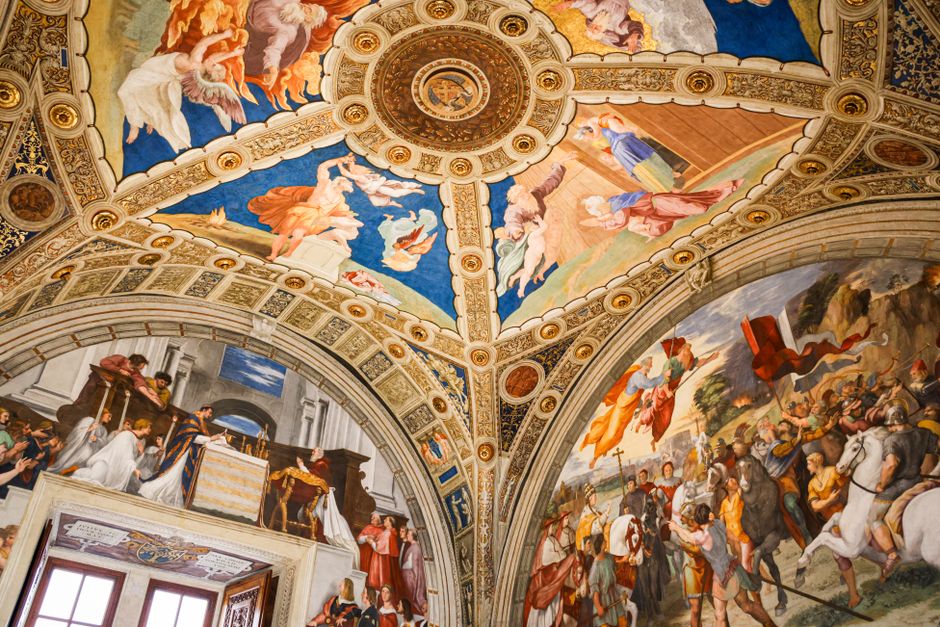
Photo by Magda Ehlers on Pexels
The Renaissance didn't just change art; it impacted science (Copernicus, Galileo), politics (Machiavelli), literature (Shakespeare), and exploration (Columbus). It was a bridge between the Middle Ages and modern history.
3. Worked Example
Let's consider Humanism through the lens of a specific work: Giovanni Pico della Mirandola's "Oration on the Dignity of Man" (1486).
Pico wrote this foundational text for what he hoped would be a grand debate. Instead of focusing on humanity's fall from grace or its subservience to God (common medieval themes), Pico celebrated humanity's unique position and potential. He argued that God gave humans the unique ability to choose their own nature – to ascend to the divine or descend to the beastly.
He writes: "To him it is granted to have whatever he chooses, to be whatever he wills." This isn't just religious; it places immense responsibility and potential on the individual. It's a prime example of the Renaissance shift from a God-centered universe to one that acknowledged and celebrated human agency and intellectual freedom, encouraging individuals to pursue knowledge and achieve greatness in this world.
4. Key Takeaways
- The Renaissance was a "rebirth" of classical Greek and Roman culture, art, and philosophy.
- It shifted focus from solely divine matters to human potential and achievement (Humanism).
- Wealthy Italian city-states and powerful patrons fueled the movement's start.
- This era fostered significant innovations in art, science, literature, and politics.
-
It created a bridge between the medieval world and the modern era.
-
Common Mistakes to Avoid:
- Don't think the Renaissance was a complete break from religion; religious themes remained important, but the approach changed.
- Don't confuse Humanism with atheism; it was often about celebrating human potential within a religious framework.
- Avoid assuming the Renaissance was a uniform, instant change across all of Europe; it spread gradually and took different forms.
- Don't believe it was only about art; its influence was deeply felt in science, politics, and philosophy.
5. Now Try It
Imagine you're a scholar in 15th-century Florence. You've just discovered a lost ancient Roman manuscript detailing new architectural techniques. Write a short journal entry (about 100-150 words) describing your excitement about this discovery, how it relates to Renaissance ideals (like humanism or individualism), and what impact you think it could have on the city's future buildings.
What success looks like: Your journal entry clearly expresses enthusiasm for classical knowledge, connects the discovery to the idea of human achievement or improvement, and suggests tangible benefits for your society, reflecting the core tenets of the Renaissance.
Frequently asked about Introduction to the Renaissance: Rebirth of Antiquity
Study this next
Get the full History 1.1 & 2.1 curriculum
Clone the complete plan to your dashboard for unlimited AI-generated notes, practice quizzes, and a personalised revision schedule.
Save this course free