Hindu-Muslim Relations and Early Political Organizations
From the Oxford Pakistan History Culture and Govvernment third edition by umer khan dawar and nigel smith curriculum
TL;DR
The 1857 War marked a turning point, intensifying British distrust of Muslims and leading to varied responses from both communities regarding their political future. Sir Syed Ahmed Khan advocated for Muslim education and political separatism, while the Indian National Congress formed to represent Indian interests. These developments eventually culminated in the formation of the All-India Muslim League to safeguard Muslim rights.
1. The Mental Model
Think of this period as a time of shifting sands where different communities, especially Hindus and Muslims, reacted to British rule and sought to define their own political identities and futures. Their actions and alliances, or lack thereof, laid the groundwork for future political divisions.
2. The Core Material
The Aftermath of the 1857 War

Photo by Алесь Усцінаў on Pexels
The War of 1857, often called the First War of Independence or the Sepoy Mutiny, had a profound impact. The British initially blamed Muslims disproportionately, seeing them as the main instigators due to their past ruling status. This led to severe repression and a period where Muslims were largely excluded from government service and education, falling behind Hindus who more readily adapted to British systems.
Sir Syed Ahmed Khan and Muslim Reawakening
Sir Syed Ahmed Khan (1817-1898) emerged as a pivotal figure for Muslims. He recognized that Muslims needed to embrace Western education and cooperate with the British to improve their social and economic standing. He founded the Mohammedan Anglo-Oriental (MAO) College at Aligarh (later Aligarh Muslim University) to provide modern education while preserving Islamic values.
Sir Syed also became a proponent of the "Two-Nation Theory," arguing that Hindus and Muslims were distinct nations with separate interests. He believed that joining the Indian National Congress, which he saw as primarily Hindu-dominated, would not serve Muslim interests. He advised Muslims to focus on their own upliftment and maintain loyalty to the British, believing that a separate political identity was crucial for their survival.
The Indian National Congress (INC)
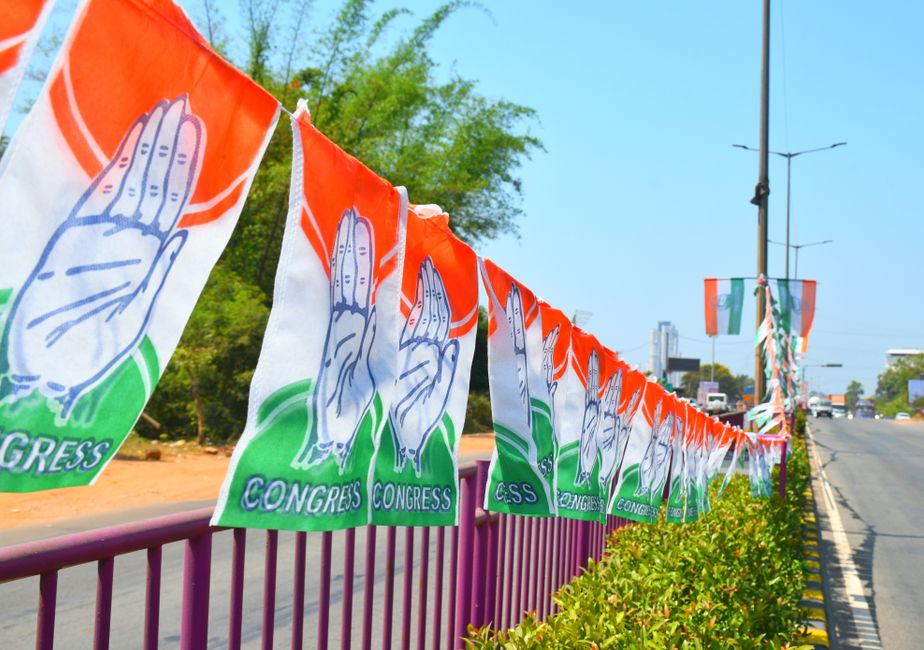
Photo by Ganesh Adyapady on Pexels
Formed in 1885 by Allan Octavian Hume, a retired British civil servant, the Indian National Congress aimed to provide a platform for educated Indians to voice their concerns to the British government. Initially, it sought reforms within the British Empire, not complete independence. While it claimed to represent all Indians, its early membership was predominantly Hindu, educated, and professional.
Many Muslims, influenced by Sir Syed and their own concerns about majority dominance, remained wary of the INC. They feared that a democratic system based on simple majority rule would always leave Muslims, a minority, at a disadvantage.
Language Controversies and Communal Tensions
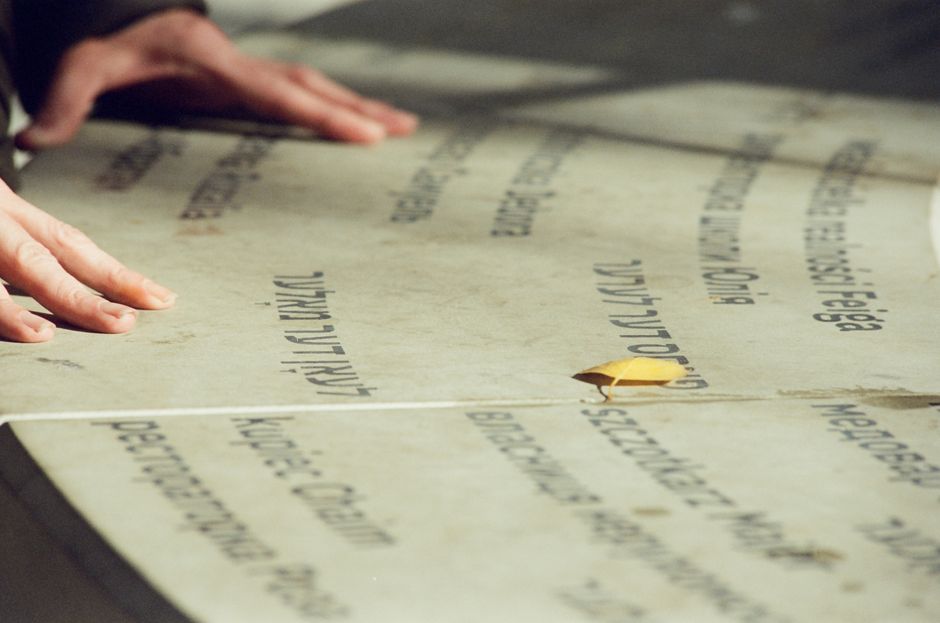
Photo by Alexander Zvir on Pexels
Several incidents heightened communal tensions. The Hindi-Urdu controversy, for instance, saw calls for Hindi in the Devanagari script to replace Urdu in the Persian script as the official language in certain regions. This deeply alienated Urdu-speaking Muslims who saw it as an attack on their cultural heritage. Cow protection movements, primarily by Hindus, also added to the friction. These issues, alongside local riots, made clear that religious and cultural differences were significant political factors.
Educational and Economic Disparities
By the late 19th century, a clear gap had emerged. Hindus, having embraced English education earlier, secured more positions in government and professions. Muslims, initially resistant to Western education, found themselves economically and socially marginalized. This disparity fueled their desire for separate political safeguards.
The Shimla Deputation (1906)
A crucial event was the Shimla Deputation in October 1906. A delegation of 35 prominent Muslim leaders, led by Aga Khan III, met with Viceroy Lord Minto at Shimla. They presented a memorandum asking for separate electorates for Muslims in legislative councils and a greater share in government services, arguing that their political importance, not just their numerical strength, should be considered. Lord Minto's sympathetic response encouraged Muslims to believe that the British would protect their interests.
graph TD
    A["War of 1857"] --> B["British Distrust of Muslims"]
    B --> C["Muslim Backwardness (Education/Govt)"]
    C --> D{"Responses"}
    D --> D1["Sir Syed Ahmed Khan's Initiatives"]
    D1 --> E["Aligarh Movement (Modern Education)"]
    D1 --> F["Advocacy for Separate Muslim Identity"]
    D --> D2["Indian National Congress (1885)"]
    D2 --> G["Primarily Hindu Membership"]
    F --> H["Muslim Hesitation to Join INC"]
    H --> I["Growing Communal Divide (Language/Culture)"]
    I --> J["Shimla Deputation (1906)"]
    J --> K["Demand for Separate Electorates"]
    K --> L["Formation of All-India Muslim League (1906)"]
Formation of the All-India Muslim League (AIML)
Encouraged by the positive reception of the Shimla Deputation and a growing realization that their political interests needed a dedicated organization, the All-India Muslim League was formed in December 1906 in Dhaka. Its main objectives were:
1. To promote loyalty to the British Government.
2. To protect and advance the political rights and interests of Muslims of India.
3. To prevent the rise of any feeling of hostility towards other communities among Muslims.
The AIML formalized the demand for separate electorates and provided a platform for Muslims to collectively articulate their political aspirations, thus marking a significant milestone in the development of Muslim separatism in Indian politics.
3. Worked Example
Imagine a Muslim landowner in the late 19th century, say in Uttar Pradesh, named Jamal. After 1857, his family, like many Muslims, struggled. His grandfather lost land, and his father faced hurdles getting into government service because he lacked English education. Jamal himself saw Hindu neighbors thrive after attending missionary schools and entering the civil service.
Jamal hears Sir Syed Ahmed Khan speak about the importance of modern education and wonders about joining the Indian National Congress. However, Sir Syed's arguments resonate: if the INC mostly caters to Hindu interests and demands a democratic system where Muslims are a minority, what will happen to Muslim representation? Jamal sees the Hindi-Urdu controversy, where Urdu is being sidelined, and feels his cultural identity is under threat.
When the Shimla Deputation takes place, Jamal feels a glimmer of hope. The idea of separate electorates means Muslim representatives would be chosen by Muslims, ensuring their voices aren't drowned out. This leads him, and many like him, to support the formation of the All-India Muslim League, believing it's the only way to safeguard his community's distinct rights and future in British India.
4. Key Takeaways
- The 1857 War deeply altered British perceptions, unfairly targeting Muslims and impacting their socioeconomic status.
- Sir Syed Ahmed Khan's efforts focused on modern education and fostering a separate political identity for Muslims.
- The Indian National Congress, while inclusive in name, was seen by many Muslims as primarily representing Hindu interests.
- Growing language, cultural, and religious disputes exacerbated Hindu-Muslim tensions.
- The Shimla Deputation formalized Muslim demands for separate political safeguards from the British.
- The All-India Muslim League formed to protect Muslim political rights and advocate for their distinct interests.
- Early political organizations revealed a growing chasm in political aims between the two major communities.
Common Mistakes to Avoid:
- Don't assume Hindu-Muslim relations were always antagonistic; there were periods of cooperation and shared culture too.
- Avoid oversimplifying Sir Syed's motivations; he genuinely believed his path was best for Muslim upliftment.
- Don't see the INC as anti-Muslim; rather, many Muslims perceived it as not adequately representing their specific interests.
- Don't think the British were entirely neutral; their policies often played a role in shaping communal relations.
5. Now Try It
Imagine you are a Muslim intellectual in 1905, just before the Shimla Deputation. Write a short paragraph outlining your concerns about the future of Muslims in British India and why you feel a separate political organization is becoming necessary. Then, describe what you would hope such an organization would achieve in its first few years. Success would look like clearly articulating the need for a separate political voice and specific, actionable goals for the new organization.
Frequently asked about Hindu-Muslim Relations and Early Political Organizations
Study this next
Get the full Oxford Pakistan History Culture and Govvernment third edition by umer khan dawar and nigel smith curriculum
Clone the complete plan to your dashboard for unlimited AI-generated notes, practice quizzes, and a personalised revision schedule.
Save this course free