Europe in the Late Middle Ages: Crisis and Transformation
From the Ap World History Unit 1 curriculum
TL;DR
The Late Middle Ages in Europe were defined by severe crises like the Black Death and the Hundred Years' War, which profoundly reshaped society. These challenges led to significant transformations in demography, economy, and political structures. Ultimately, this period laid much of the groundwork for the modern European world.
1. The Mental Model
Think of the Late Middle Ages as a time of immense pressure and dramatic change. Europe, previously thriving, faced several simultaneous disasters that challenged its very foundations, forcing new ways of thinking and living.
2. The Core Material
The Late Middle Ages (roughly 1300-1500 CE) was a period of intense upheaval following centuries of growth and stability. Several interconnected crises dismantled the established order and paved the way for new developments.
The Great Famine (1315-1317)
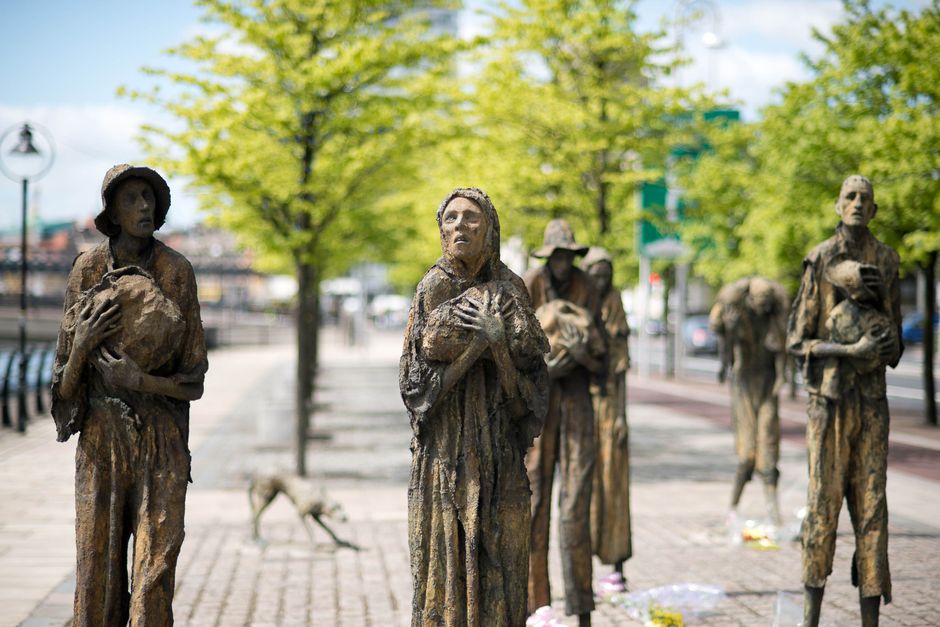
Photo by PROSPER MBEMBA KOUTIHOU on Pexels
Europe experienced colder, wetter weather that led to widespread crop failures. This reduced food supply, increased prices, and weakened the population's health, making them more vulnerable to disease. It was a precursor to the even greater disaster.
The Black Death (1347-1351)

Photo by Ahmed Adly on Pexels
This devastating pandemic, caused by the bacterium Yersinia pestis, wiped out an estimated 30-60% of Europe's population. It arrived from Asia via trade routes and spread rapidly.
- Impact on Society: Massive depopulation led to severe labor shortages. Peasants, now scarcer, could demand better wages and conditions, weakening the feudal system. Land values dropped, and some serfs gained freedom.
- Economic Impact: Disrupted trade, industry, and agriculture. While initially chaotic, the labor shortage eventually spurred technological innovation (to save labor) and increased per capita wealth for survivors.
- Psychological Impact: Led to widespread fear, religious questioning, and changes in cultural attitudes towards death and life.
The Hundred Years' War (1337-1453)
Photo by Brett Jordan on Pexels
This prolonged conflict between England and France over territorial claims and the French throne further destabilized the region.
- Impact on Warfare: Shifted from feudal levies to professional armies, emphasizing infantry (like longbowmen) over cavalry, and introducing gunpowder weapons.
- Impact on State Building: Both monarchies consolidated power by raising taxes, centralizing administration, and fostering a sense of national identity among their populations. This weakened the power of local lords.
Church Crises
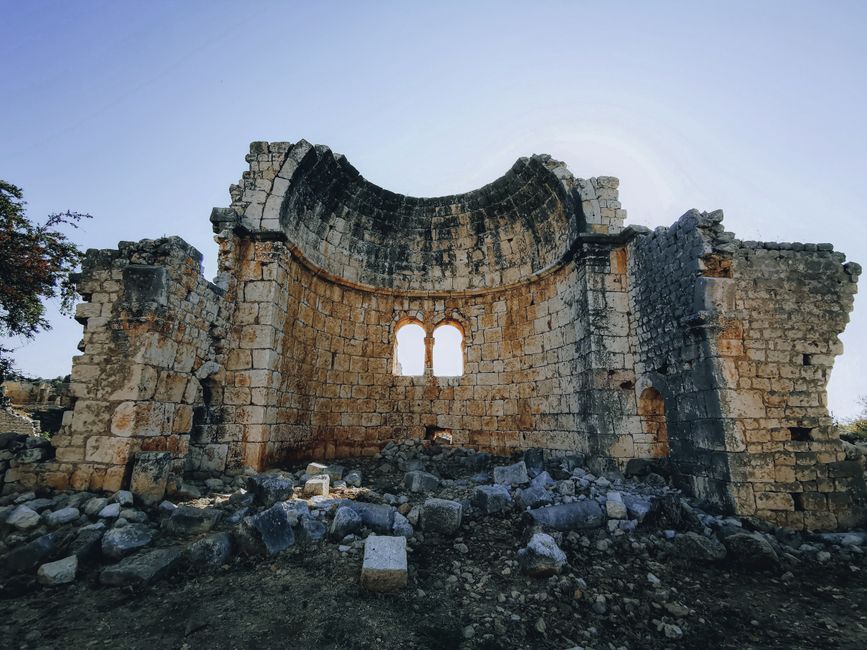
Photo by Mehmet Turgut Kirkgoz on Pexels
The Catholic Church, a dominant institution, faced its own challenges:
- The Avignon Papacy (1309-1376): Popes resided in Avignon, France, under French influence, diminishing papal prestige.
- The Great Western Schism (1378-1417): Multiple popes claimed legitimacy, causing confusion and further eroding the Church's authority.
- Early Reform Movements: Figures like John Wycliffe (England) and Jan Hus (Bohemia) challenged papal authority and advocated for reforms, foreshadowing the Protestant Reformation.
graph TD
    A["Great Famine (1315-1317)"] --> B["Weakened Population & Economy"]
    B --> C["Black Death (1347-1351)"]
    C --> D1["Massive Depopulation"]
    C --> D2["Economic Disruption"]
    C --> D3["Social & Religious Questioning"]

    D1 --> E1["Labor Shortages"]
    D2 --> E2["Shift in Wealth & Opportunity"]
    D3 --> E3["Weakened Feudalism & Church Authority"]

    F["Hundred Years' War (1337-1453)"] --> G1["Advancements in Warfare"]
    F --> G2["Increased Royal Power"]
    F --> G3["Emergence of National Identity"]

    G2 --> E3
    E1 --> H["Improved Peasant Conditions"]
    E2 --> H
    E3 --> H

    H --> I["Laying Foundations for Modern Europe"]
Transformation and Legacy
These crises didn't just cause destruction; they were catalysts for profound change. The decline of serfdom, the rise of more centralized states, new forms of warfare, and a growing questioning of traditional authority set the stage for the Renaissance, the Age of Exploration, and the Reformation.
3. Worked Example
Let's look at the specific impact of the Black Death on English peasant life. Before the plague, a typical English manor would have numerous serfs bound to the land, working for their lord in exchange for protection and a small plot. Labor was abundant, and wages were low.
After the Black Death, which killed perhaps half the population, labor became extremely scarce. A lord who previously had 50 serfs might now only have 20. These remaining serfs were suddenly in a much stronger bargaining position. They could demand:
- Higher wages: Lords had to pay more to attract and keep workers.
- Freedom from serfdom: Many peasants negotiated to commute their labor services into money rents, or simply left their manors to seek better opportunities elsewhere.
- Access to more land: With fewer people, there was more land available per person.
This shift directly challenged the feudal system, weakening the power of the nobility and giving ordinary people unprecedented opportunities for upward mobility.
4. Key Takeaways
- The Great Famine and Black Death caused massive demographic and economic collapse, leading to labor shortages.
- These shortages empowered peasants, helping to dismantle the feudal system and serfdom in many areas.
- The Hundred Years' War transformed warfare and spurred the centralization of royal power, fostering national identity.
- Crises within the Catholic Church, like the Great Western Schism, weakened its authority and led to calls for reform.
- This period of crisis ultimately paved the way for the Renaissance and the early modern state by forcing societal adaptation.
- These events were interconnected, with one crisis often exacerbating or influencing another.
Common mistakes to avoid:
- Don't assume the Middle Ages were static; this period was full of dynamic change.
- Don't see the Black Death as just a disaster; it also had unintended transformative positive effects for some.
- Don't view these crises in isolation; they influenced and amplified each other.
- Don't confuse the Late Middle Ages with the Early or High Middle Ages; they have distinct characteristics.
5. Now Try It
Imagine you are a peasant living in England in 1352, just after the Black Death has passed through your village. Write a short journal entry (about 100-150 words) describing how your daily life and future prospects have changed compared to before the plague. What new opportunities or fears might you have? What might you demand from your lord?
Frequently asked about Europe in the Late Middle Ages: Crisis and Transformation
Study this next
Get the full Ap World History Unit 1 curriculum
Clone the complete plan to your dashboard for unlimited AI-generated notes, practice quizzes, and a personalised revision schedule.
Save this course free