Exam Preparation and Practice
From the History, geography, biology curriculum
TL;DR
Preparing for exams means understanding how you learn best, creating a solid study plan, and actively recalling information to build strong memory links. Focus on mastering key concepts across history, geography, and biology rather than just memorizing facts. Consistent practice with exam-style questions is crucial for success.
1. The Mental Model
Think of your brain like a muscle. To get it strong for exams, you need to exercise it regularly and in the right ways. Simply reading notes is like looking at gym equipment; to build strength, you need to lift the weights.
2. The Core Material
Effective exam prep isn't just about how much you study, but how you study. Here's a breakdown:
2.1 Understand Your Learning Style

Photo by Pixabay on Pexels
Are you more visual, auditory, or kinesthetic?
* Visual: Use diagrams, mind maps, colour-coding.
* Auditory: Read notes aloud, discuss with others, use educational videos.
* Kinesthetic: Take practice tests, teach the material to someone else, use flashcards.
Most people are a mix, so experiment to find what works best for you.
2.2 Create a Study Plan
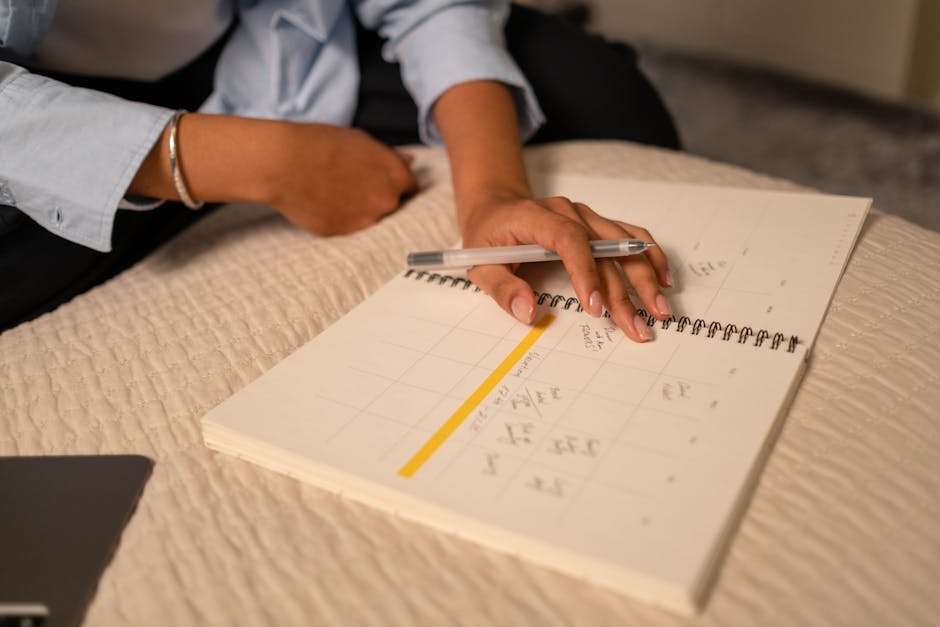
Photo by cottonbro studio on Pexels
Don't just open your books and hope for the best. A structured plan reduces stress and ensures you cover everything.
graph TD
    A["Know Exam Dates & Format"] --> B["List All Topics/Subjects"];
    B --> C["Prioritize Topics (Weak Areas First)"];
    C --> D{"Allocate Time Slots (Specific & Realistic)"};
    D --> E["Schedule Regular Breaks"];
    E --> F["Integrate Practice Questions"];
    F --> G["Review & Adjust Plan Weekly"];
    G --> H["Stick to the Plan!"];
- Be Specific: Instead of "study history," try "History: French Revolution causes (30 mins), map key battles (20 mins)."
- Use the "Pomodoro Technique": 25 minutes of focused study, 5-minute break. After four cycles, take a longer 15-30 minute break. This helps maintain concentration.
- Vary Subjects: Don't study only one subject all day. Switch between history, geography, and biology to keep your brain engaged and prevent burnout.
2.3 Active Recall and Spaced Repetition

Photo by Markus Winkler on Pexels
These are your secret weapons.
* Active Recall: Instead of re-reading, test yourself. Close your book and try to explain a concept aloud, or write down everything you remember about a topic. Flashcards are excellent for this.
* Spaced Repetition: Review material at increasing intervals. If you learn something today, review it tomorrow, then in three days, then a week, then two weeks. This moves information from short-term to long-term memory.
2.4 Master Content Across Subjects
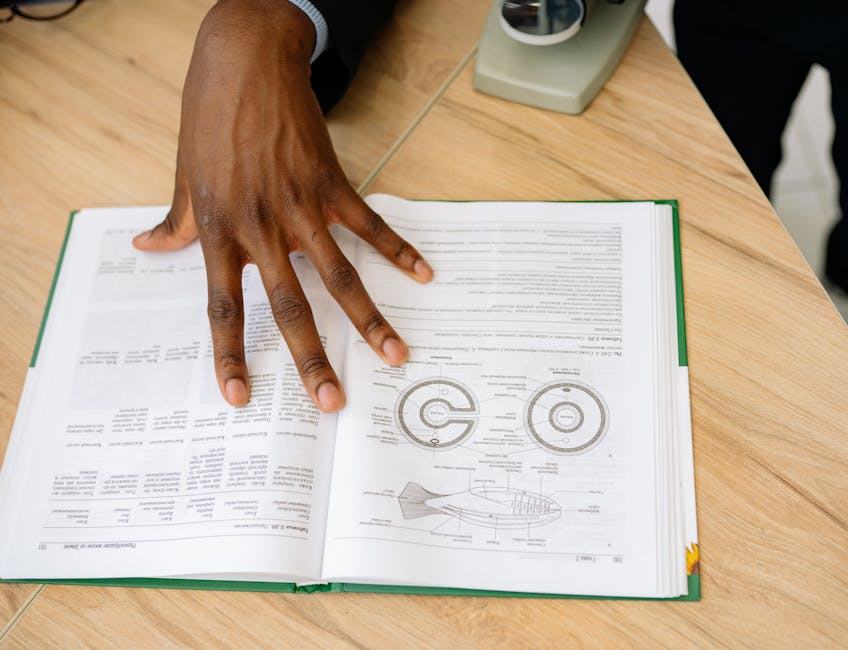
Photo by Yan Krukau on Pexels
History
Focus on cause and effect, sequencing of events, and interpreting sources. Don't just memorize dates; understand why events happened and their impact. Practice essay writing and source analysis.
Geography
Emphasize understanding processes (e.g., rock cycle, climate change), interpreting maps and data (graphs, tables), and linking human and physical geography. Sketch diagrams to explain concepts.
Biology
Concentrate on understanding systems and their functions (e.g., digestive system, photosynthesis), drawing and labelling diagrams, and explaining scientific concepts clearly. Practice defining key terms accurately.
3. Worked Example
Let's say you're studying for a biology exam on photosynthesis.
- Initial Study (Pomodoro): Read your textbook/notes on photosynthesis for 25 minutes. Focus on the main inputs, outputs, stages (light-dependent, light-independent), and location (chloroplast).
- Active Recall: Close your book. On a blank piece of paper, try to draw and label a chloroplast. Then, write down the overall equation for photosynthesis. Next, explain in your own words what happens in the light-dependent reactions and what happens in the light-independent reactions.
- Check and Correct: Open your book and compare what you wrote/drew to the correct information. Note any gaps or inaccuracies.
- Flashcard Creation: Make flashcards for key terms like "chlorophyll," "ATP," "NADPH," "stroma," "granum," and "carbon fixation."
- Spaced Repetition: Review these flashcards tomorrow, then in 3 days, then a week.
- Practice Questions: Find exam-style questions on photosynthesis (e.g., "Explain the role of light in photosynthesis," "Discuss the limiting factors of photosynthesis"). Try to answer them under timed conditions.
4. Key Takeaways
- Understand your personal learning style to make study time more effective.
- Create a realistic and detailed study plan well in advance of your exams.
- Actively test yourself using methods like flashcards and explaining concepts aloud.
- Regularly review material at increasing intervals to strengthen memory.
- For history, focus on causes/effects; for geography, processes/interpretation; for biology, systems/functions.
- Don't just memorize; aim to understand the "why" and "how" behind the facts.
- Integrate practice questions into your study routine early and often.
Common Mistakes to Avoid:
- Passive Re-reading: Just reading notes repeatedly without testing yourself.
- Cramming: Trying to learn everything the night before the exam, which is ineffective for long-term retention.
- Ignoring Weak Areas: Spending too much time on what you already know instead of tackling challenging topics.
- Lack of Breaks: Studying for too long without resting leads to reduced focus and burnout.
5. Now Try It
For the next 15 minutes, pick one topic you're currently studying across history, geography, or biology (e.g., World War I causes, Plate Tectonics, DNA structure). Without looking at your notes, write down or verbally explain everything you can remember about that topic. Then, check your notes and identify your biggest knowledge gap. For that gap, create 3-5 flashcards with questions on one side and answers on the other. Success looks like accurately identifying your gaps and creating useful tools to address them.
Frequently asked about Exam Preparation and Practice
Study this next
Get the full History, geography, biology curriculum
Clone the complete plan to your dashboard for unlimited AI-generated notes, practice quizzes, and a personalised revision schedule.
Save this course free