Aquatic Fauna: Freshwater Fish Diversity
From the aquatic ecology curriculum
TL;DR
Freshwater fish diversity is incredibly rich and shaped by evolutionary history, geography, and environmental factors. Understanding this diversity involves looking at how different species are related, where they live, and the specific conditions they need to survive. Conservation efforts often focus on protecting habitats and managing human impacts to maintain these diverse fish populations.
1. The Mental Model
Think of freshwater fish diversity as a giant, complex puzzle. Each piece represents a different species, and how those pieces fit together (evolutionary relationships) and where they're found (geographic distribution) tells us a lot about the health and history of freshwater ecosystems.
2. The Core Material
Freshwater fish diversity refers to the variety of fish species found in inland waters like rivers, lakes, ponds, and wetlands. Despite making up a tiny fraction of Earth's water, freshwater habitats are home to about 40% of all known fish species, making them incredible hotspots of biodiversity. This diversity is influenced by several key factors:
Evolutionary History
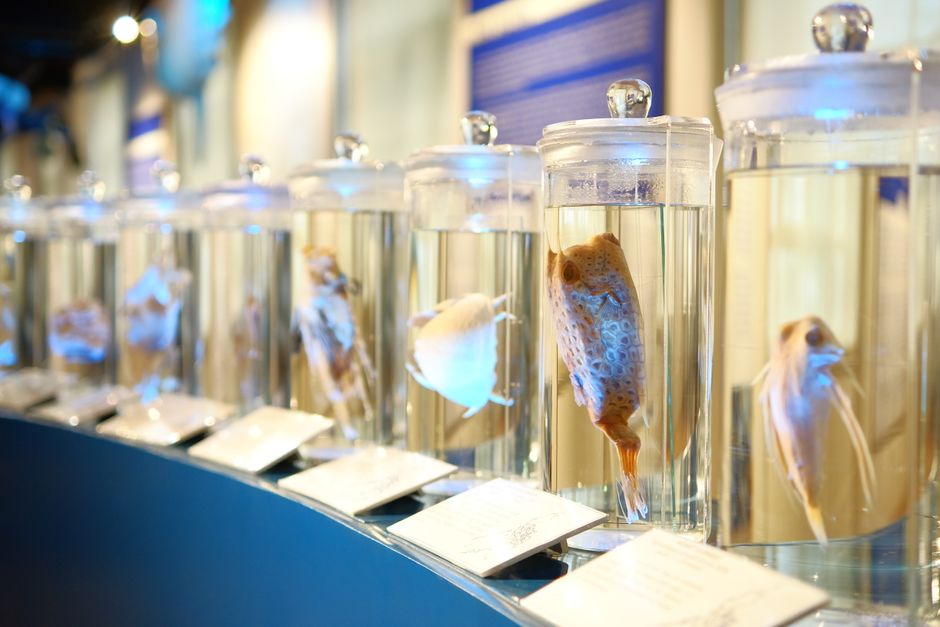
Photo by Enil yugto on Pexels
The lineage and evolutionary paths of fish groups determine much of their current distribution. For example, some groups like the cyprinids (carps, minnows) have diversified extensively across continents, while others are restricted to specific regions due to ancient geological events.
Biogeography
Where fish species are found is heavily influenced by geography. Barriers like mountain ranges or oceans can isolate populations, leading to the development of new species (speciation). Conversely, connections like river networks can facilitate dispersal. River basins often act as natural units for studying fish distribution.
Environmental Factors
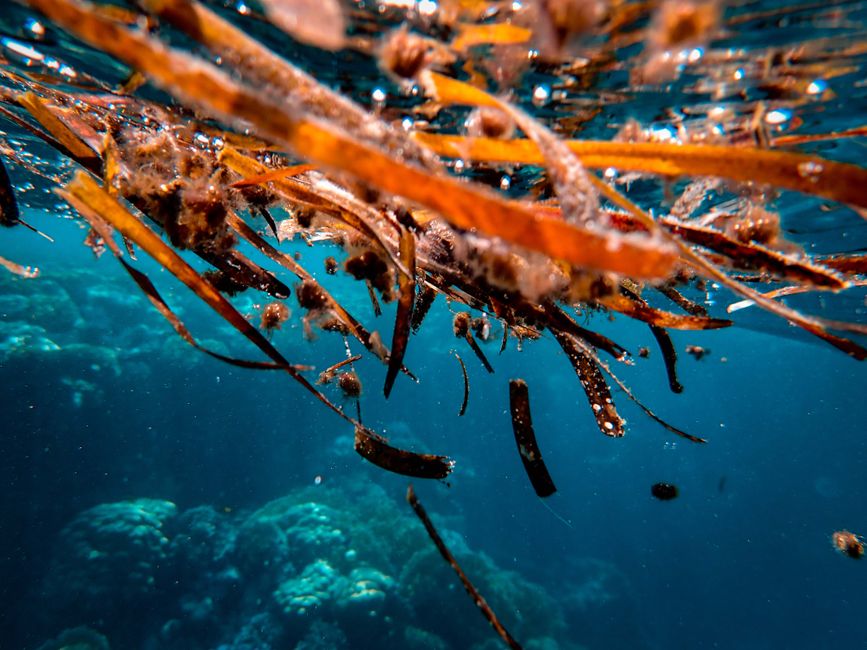
Photo by Francesco Ungaro on Pexels
Physical and chemical characteristics of water bodies play a huge role in determining which fish species can thrive.
* Water Temperature: Affects metabolism, reproduction, and oxygen solubility. Cold-water species (e.g., trout) differ greatly from warm-water species (e.g., bass).
* Water Chemistry: pH, dissolved oxygen, nutrient levels, and pollutants all influence survival. Some fish are highly sensitive to changes.
* Habitat Structure: The presence of rocks, logs, aquatic vegetation, and varied substrate provides crucial spawning grounds, refuge from predators, and foraging areas.
* Flow Regimes: The speed and variability of water flow are critical, especially in rivers, influencing migration, spawning, and food availability.
Threats to Diversity

Photo by Ann H on Pexels
Freshwater fish face numerous threats, leading to a rapid decline in many populations.
* Habitat Loss and Degradation: Pollution, dam construction, deforestation, and urbanization destroy or alter critical habitats.
* Overfishing: Unsustainable harvesting practices deplete fish stocks.
* Introduced Species: Non-native species can outcompete native fish, introduce diseases, or alter food webs.
* Climate Change: Changes in temperature and precipitation patterns can alter habitats and stress fish populations.
Here's a simplified view of how these factors interact:
graph TD
    A["Evolutionary History"] --> B["Geographic Distribution"]
    B --> C["Freshwater Fish Diversity"]
    D["Environmental Factors (Temp, pH, DO, Habitat)"] --> C
    E["Threats (Pollution, Habitat Loss, Invasive Species, Climate Change)"] --> F["Reduced Fish Diversity"]
    C --> G["Ecosystem Health & Function"]
    F --> H["Degraded Ecosystems"]
3. Worked Example
Let's consider the Amazon River Basin, a global hotspot for freshwater fish diversity. This basin is immense, spanning multiple countries and featuring a huge variety of habitats: large mainstem rivers, nutrient-rich "white water" tributaries, clear "blackwater" rivers, and vast floodplains.
The evolutionary history of many fish families (e.g., Characidae, Loricariidae) shows extensive diversification within this region over millions of years. The sheer size and complex network of rivers allowed for the isolation and subsequent evolution of countless species.
Biogeographically, the Andes mountains form a significant barrier, isolating Amazonian fish fauna from Pacific drainages. Within the Amazon, the differing chemical properties of white, black, and clear waters (an environmental factor) create distinct niches, leading to different fish communities adapted to those specific conditions. For instance, blackwater rivers, with their low pH and nutrient levels, support specialized fish species.
However, threats are impacting this diversity. Gold mining introduces mercury pollution, deforestation increases sediment runoff, and the construction of large dams fragments rivers, blocking fish migrations and altering flow regimes. All these factors contribute to a decline in the incredible fish diversity of the Amazon.
4. Key Takeaways
- Freshwater ecosystems, despite their small area, host a disproportionately high number of global fish species.
- Fish diversity is shaped by long-term evolutionary processes and the physical barriers and connections of river systems (biogeography).
- Local environmental conditions like water temperature, chemistry, and habitat structure are crucial in determining which species can survive.
- Major threats to freshwater fish diversity include habitat degradation, pollution, invasive species, and climate change.
- Understanding these drivers and threats is essential for effective conservation of freshwater fish.
Common mistakes you should avoid:
- Don't underestimate the impact of subtle changes in water quality on fish communities.
- Don't forget that river fragmentation (e.g., by dams) is a major barrier to fish movement and genetic exchange.
- Don't focus solely on charismatic megafauna; smaller, less noticeable species are also vital to ecosystem health.
- Don't ignore the interconnectedness of freshwater systems; actions upstream can have profound effects downstream.
5. Now Try It
Choose a local freshwater body (e.g., a river, lake, or even a large pond) and research its general characteristics. Then, try to identify 3-5 native fish species and for each, describe how its presence there is influenced by at least two of the factors we discussed (evolutionary history, biogeography, or environmental factors). What are potential threats to those species in your chosen location? You'll know you've succeeded if you can clearly link the fish's presence and potential challenges to specific ecological principles.
Frequently asked about Aquatic Fauna: Freshwater Fish Diversity
More from aquatic ecology
Get the full aquatic ecology curriculum
Clone the complete plan to your dashboard for unlimited AI-generated notes, practice quizzes, and a personalised revision schedule.
Save this course free