Introduction to Aquatic Ecosystems and Core Concepts
From the aquatic ecology curriculum
TL;DR
Aquatic ecosystems are diverse, water-based environments shaped by physical, chemical, and biological factors. Understanding these ecosystems involves classifying them and recognizing how energy flows and nutrients cycle within them. You'll learn about key concepts like zonation, limiting factors, and the interconnectedness of all components.
1. The Mental Model
Imagine any body of water, from a tiny puddle to a vast ocean, as a complex, living system. It's not just water; it's a dynamic interplay of life, chemistry, and physics, constantly changing and interacting.
2. The Core Material
Aquatic ecology is the study of aquatic environments and the living organisms within them, focusing on how they interact with each other and their surroundings. These environments are fundamentally defined by water, which impacts everything from temperature regulation to nutrient availability.
Ecosystem Classification
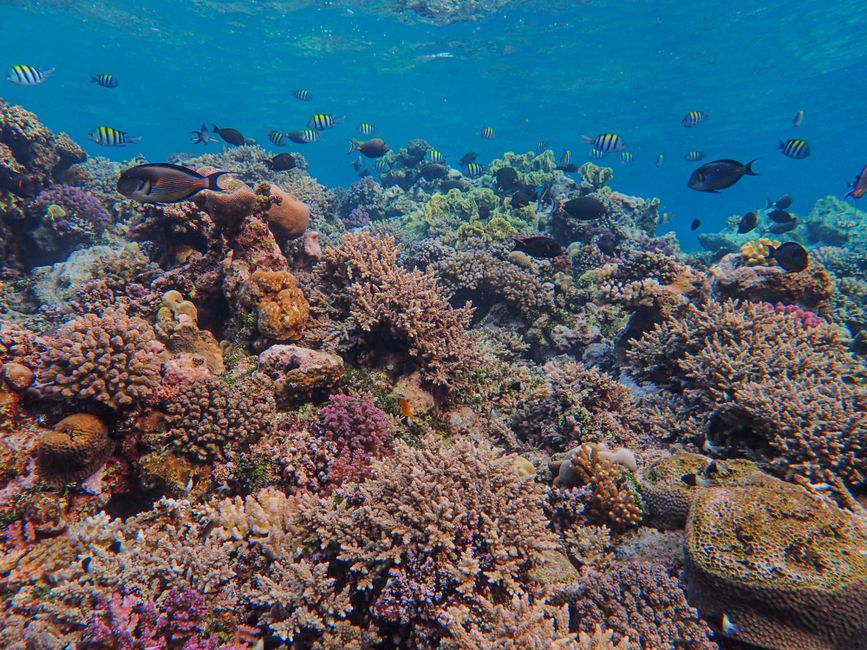
Photo by Francesco Ungaro on Pexels
Aquatic ecosystems are broadly divided into two main categories:
- Freshwater Ecosystems: These have low salt concentrations (typically less than 0.5 parts per thousand, or ppt).
- Lotic (flowing water): Rivers, streams, creeks. Characterized by unidirectional flow.
- Lentic (standing water): Lakes, ponds, wetlands. Characterized by still or very slow-moving water.
- Marine Ecosystems: These have high salt concentrations (averaging around 35 ppt).
- Oceans: Vast, deep, and interconnected.
- Estuaries: Where freshwater meets saltwater, creating unique conditions.
- Coastal areas: Including coral reefs, kelp forests, and intertidal zones.
Key Physical and Chemical Factors

Photo by Tima Miroshnichenko on Pexels
These factors dictate where organisms can live and how they thrive:
- Temperature: Affects metabolic rates, dissolved oxygen levels, and water density.
- Light: Essential for photosynthesis; penetrates less in water than in air, creating vertical light gradients.
- Dissolved Oxygen (DO): Crucial for respiration; levels are affected by temperature, salinity, turbulence, and biological activity.
- Nutrients: Especially nitrogen and phosphorus, which are often limiting factors for primary production.
- pH: Influences chemical reactions and organismal physiology.
- Salinity: The amount of dissolved salts, a primary differentiator between freshwater and marine systems.
- Flow/Current: In lotic systems, current shapes habitat, transports nutrients, and affects organisms' ability to hold position.
Zonation
Many aquatic ecosystems show distinct zones based on physical factors like light penetration, depth, and distance from shore. These zones often harbor different communities of organisms.
graph TD
    AquaticEco["Aquatic Ecosystems"] --> Freshwater["Freshwater (low salinity)"]
    AquaticEco --> Marine["Marine (high salinity)"]

    Freshwater --> Lotic["Lotic (flowing: rivers, streams)"]
    Freshwater --> Lentic["Lentic (standing: lakes, ponds, wetlands)"]

    Marine --> Oceans["Oceans (deep, vast)"]
    Marine --> Estuaries["Estuaries (fresh + salt water)"]
    Marine --> CoastalAreas["Coastal Areas (reefs, intertidal)"]

    Lentic --> PelagicZone["Pelagic Zone (open water)"]
    Lentic --> LittoralZone["Littoral Zone (near shore, rooted plants)"]
    Lentic --> BenthicZone["Benthic Zone (bottom)"]

    PelagicZone --> PhoticZone["Photic Zone (light penetration)"]
    PelagicZone --> AphoticZone["Aphotic Zone (no light)"]
Core Ecological Concepts
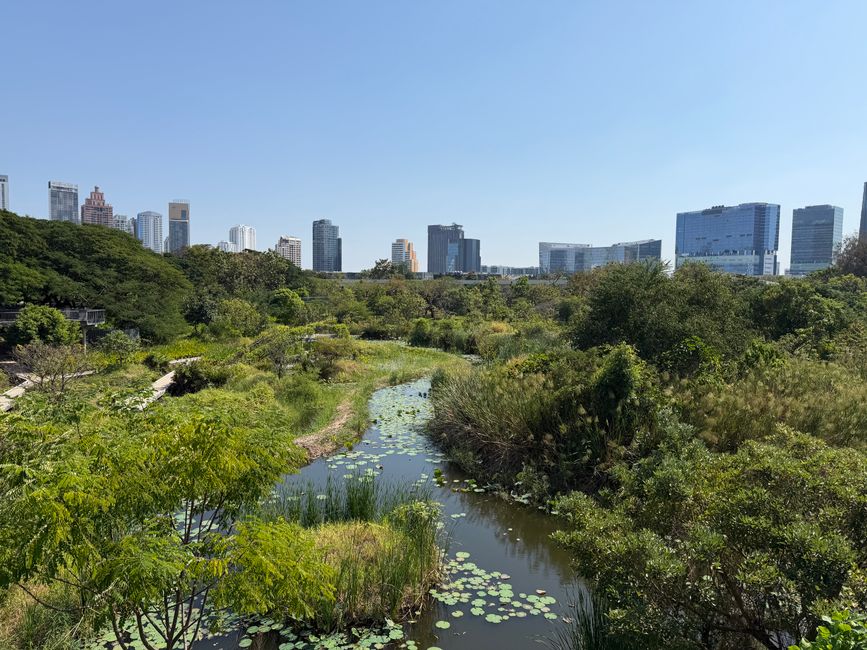
Photo by Alejandro Grinblat on Pexels
- Primary Production: The creation of organic matter by autotrophs (e.g., phytoplankton, algae, aquatic plants) using light or chemical energy. This forms the base of the food web.
- Food Webs: Illustrate the feeding relationships within an ecosystem, showing the transfer of energy from producers to consumers.
- Nutrient Cycling: The movement and transformation of chemical elements (like nitrogen, phosphorus, carbon) through the living and non-living components of an ecosystem.
- Limiting Factors: Resources or conditions that restrict the growth, abundance, or distribution of populations (e.g., light, nutrients, oxygen).
- Biodiversity: The variety of life in an aquatic ecosystem, crucial for ecosystem health and stability.
3. Worked Example
Let's consider a small freshwater lake.
Observation: You notice that algae are abundant near the shore and at the surface, but less common in the deep, central parts of the lake.
Analysis using core concepts:
1. Light: The littoral zone (near shore) and the photic zone (surface open water) receive ample sunlight. Algae, being primary producers, need light for photosynthesis.
2. Nutrients: The littoral zone also receives nutrient runoff from land and has decomposing organic matter, providing essential nitrogen and phosphorus. These nutrients are also available in the surface waters due to mixing.
3. Zonation: The absence of algae in the deep, central part suggests it's likely part of the aphotic zone, where light penetration is insufficient for photosynthesis. This deep area is also part of the benthic zone (bottom), which may support different decomposers and organisms adapted to low light and oxygen.
4. Limiting Factors: In the deep zone, light is a primary limiting factor for algal growth. In other parts of the lake, nutrient availability might become a limiting factor if algal blooms consume them all.
4. Key Takeaways
- Aquatic ecosystems are either freshwater (lotic or lentic) or marine (oceans, estuaries, coastal).
- Physical (temperature, light, flow) and chemical (DO, nutrients, pH, salinity) factors critically shape aquatic environments.
- Zonation describes distinct habitat layers within aquatic systems, influenced by factors like light and depth.
- Primary production, food webs, and nutrient cycling are fundamental processes driving energy flow and material transformation.
- Limiting factors, often light or specific nutrients, control population growth and distribution.
- All components of an aquatic ecosystem are interconnected; changes in one factor can ripple through the entire system.
Common mistakes to avoid:
- Forgetting that water's physical properties (like density changes with temperature) profoundly impact water circulation and oxygen distribution.
- Assuming nutrient availability is constant; it often fluctuates and can be a major limiting factor.
- Overlooking the importance of microbial communities in nutrient cycling and decomposition.
- Treating aquatic ecosystems as isolated units; they are often connected to terrestrial systems and other water bodies.
5. Now Try It
For the next 15 minutes, think about a local aquatic ecosystem you're familiar with (e.g., a pond, a section of a river, a beach).
- Classify it (freshwater/marine, lotic/lentic, specific type).
- Identify at least three key physical or chemical factors that you think are most important in that ecosystem.
- Describe how light might influence organisms in different parts of that specific system.
Success looks like: Being able to clearly articulate the classification, list relevant factors, and explain light's role in influencing life in your chosen aquatic ecosystem.
Frequently asked about Introduction to Aquatic Ecosystems and Core Concepts
More from aquatic ecology
Get the full aquatic ecology curriculum
Clone the complete plan to your dashboard for unlimited AI-generated notes, practice quizzes, and a personalised revision schedule.
Save this course free