Photosynthesis, Respiration, Fermentation and Enzymes
From the bio exam revision curriculum
TL;DR
Photosynthesis uses light energy to make glucose, while respiration breaks down glucose to release energy for life. Fermentation is an alternative way to get energy without oxygen, and enzymes are biological catalysts that speed up all these reactions. Together, these processes explain how organisms get and use energy.
1. The Mental Model
Think of energy flow in living things like a tiny power plant: Photosynthesis builds the fuel (glucose), Respiration burns that fuel to generate power (ATP), and Fermentation is like a backup generator for when oxygen is scarce. Enzymes are the efficient workers that make all these chemical reactions happen quickly.
2. The Core Material
Photosynthesis: Making Food from Light
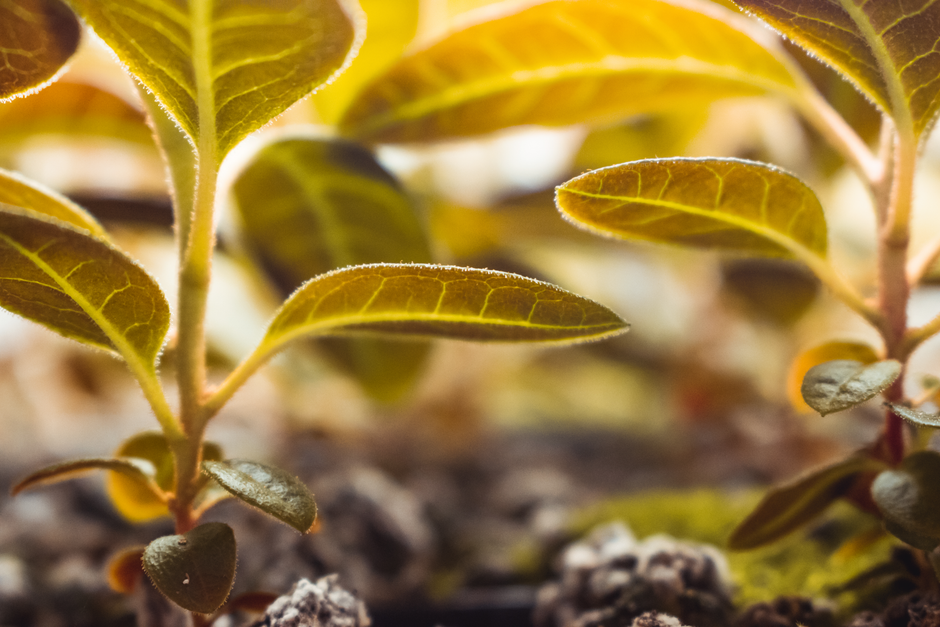
Photo by Colin Fearing on Pexels
Photosynthesis is how plants, algae, and some bacteria convert light energy into chemical energy, stored as glucose. It uses carbon dioxide (CO₂) and water (H₂O) as raw materials and produces glucose (C₆H₁₂O₆) and oxygen (O₂). This happens mainly in chloroplasts.
The overall equation is:
6CO₂ + 6H₂O + Light Energy → C₆H₁₂O₆ + 6O₂
There are two main stages:
1. Light-Dependent Reactions: Occur in the thylakoid membranes within chloroplasts. Light energy is captured to produce ATP (energy carrier) and NADPH (electron carrier), and water is split, releasing oxygen.
2. Light-Independent Reactions (Calvin Cycle): Occur in the stroma of chloroplasts. ATP and NADPH from the light reactions are used to convert CO₂ into glucose.
Cellular Respiration: Releasing Energy from Food
Photo by Pixabay on Pexels
Cellular respiration is the process where cells break down glucose to release usable energy in the form of ATP. This occurs in most living organisms.
The overall equation is:
C₆H₁₂O₆ + 6O₂ → 6CO₂ + 6H₂O + ATP (Energy)
There are three main stages:
1. Glycolysis: Occurs in the cytoplasm. Glucose is split into two molecules of pyruvate, producing a small amount of ATP and NADH. This stage doesn't require oxygen.
2. Krebs Cycle (Citric Acid Cycle): Occurs in the mitochondrial matrix. Pyruvate is further broken down, releasing CO₂ and producing more ATP, NADH, and FADH₂. This stage requires oxygen.
3. Electron Transport Chain: Occurs in the inner mitochondrial membrane. NADH and FADH₂ donate electrons, which power a series of reactions that pump protons and ultimately generate a large amount of ATP. Oxygen acts as the final electron acceptor, forming water.
Fermentation: Energy Without Oxygen

Photo by Sami Abdullah on Pexels
When oxygen isn't available for cellular respiration, cells can use fermentation to produce a small amount of ATP after glycolysis. It's an anaerobic (without oxygen) process. Its main purpose is to regenerate NAD⁺ so glycolysis can continue.
There are two common types:
1. Lactic Acid Fermentation: Occurs in animal muscle cells during intense exercise. Pyruvate is converted to lactic acid.
* Example: C₆H₁₂O₆ → 2 Lactic Acid + 2 ATP
2. Alcoholic Fermentation: Occurs in yeast and some bacteria. Pyruvate is converted to ethanol and CO₂.
* Example: C₆H₁₂O₆ → 2 Ethanol + 2 CO₂ + 2 ATP
Enzymes: Biological Catalysts

Photo by Jahra Tasfia Reza on Pexels
Enzymes are proteins that act as biological catalysts, meaning they speed up chemical reactions without being used up themselves. They are highly specific, usually acting on only one type of molecule (called a substrate).
Key characteristics:
* Active Site: A specific region on the enzyme where the substrate binds.
* Lock and Key / Induced Fit: Models describing how enzymes bind to substrates.
* Factors Affecting Activity: Temperature, pH, and substrate concentration can all influence how well an enzyme works. Extreme conditions can cause denaturation (loss of shape and function).
Here's a diagram showing the relationship between these processes:
graph TD
    A["Sunlight Energy"] --> B["Photosynthesis"];
    B --> C["Glucose (C₆H₁₂O₆)"]
    C --> D{"Cellular Respiration?"};
    D -- "Yes, Oxygen Present" --> E["Aerobic Respiration"];
    E --> F["Lots of ATP (Energy)"];
    E --> G["CO₂ + H₂O"];
    D -- "No, Oxygen Absent" --> H["Fermentation"];
    H --> I["Little ATP (Energy)"];
    H --> J["Lactic Acid or Ethanol + CO₂"];
    F --> K["Cellular Activities"];
    I --> K;
    G -- "Used by" --> B;
3. Worked Example
Let's trace the journey of a carbon atom from the atmosphere into a rabbit's muscle cell.
- A CO₂ molecule from the atmosphere is taken in by a plant during photosynthesis. It enters the Calvin Cycle in the chloroplasts and is incorporated into a glucose molecule.
- The plant stores this glucose, perhaps as starch, or uses it for its own growth.
- A rabbit eats the plant. The glucose from the plant is digested and absorbed into the rabbit's bloodstream.
- The glucose then enters a muscle cell.
- Inside the muscle cell, the glucose undergoes glycolysis in the cytoplasm, breaking down into two pyruvate molecules. A small amount of ATP is generated.
- If the rabbit is resting, plenty of oxygen is available. The pyruvate enters the mitochondria and proceeds through the Krebs Cycle and Electron Transport Chain (aerobic respiration). The carbon atoms from the glucose are ultimately released as CO₂, and a large amount of ATP is produced, powering the rabbit's daily activities.
- If the rabbit is sprinting away from a predator, oxygen supply to its muscle cells might become limited. In this case, the pyruvate undergoes lactic acid fermentation in the cytoplasm. The pyruvate is converted to lactic acid, regenerating NAD⁺ so glycolysis can continue to produce a small amount of ATP, keeping the muscles working for a short burst.
4. Key Takeaways
- Photosynthesis converts light energy into chemical energy (glucose) using CO₂ and H₂O.
- Cellular respiration breaks down glucose to release ATP, the cell's main energy currency, producing CO₂ and H₂O.
- Aerobic respiration is much more efficient at producing ATP than anaerobic processes like fermentation.
- Fermentation allows glycolysis to continue producing a small amount of ATP when oxygen is absent.
- Enzymes are crucial biological catalysts that speed up all metabolic reactions by lowering activation energy.
- Temperature and pH significantly impact enzyme activity; extreme conditions can cause them to denature.
Common Mistakes to Avoid:
- Confusing the inputs and outputs of photosynthesis and respiration (they are largely inverse processes).
- Forgetting that glycolysis is the first step for both aerobic respiration and fermentation.
- Thinking that enzymes are consumed or changed permanently during a reaction.
- Believing that fermentation produces a lot of ATP – it only produces a little.
5. Now Try It
Imagine you're explaining how a baker uses yeast to make bread rise. Describe, in your own words, the role of fermentation in this process, including the specific type of fermentation, the reactants, the products, and why the bread gets airy. What would happen if the oven temperature was too high or too low for the yeast's enzymes?
What success looks like: You'll accurately identify alcoholic fermentation, explain that yeast converts glucose (from flour) into ethanol and carbon dioxide, and link the CO₂ production to the rising bread. You'll also correctly discuss how temperature affects enzyme activity (yeast enzymes) and therefore the fermentation rate.
Frequently asked about Photosynthesis, Respiration, Fermentation and Enzymes
More from bio exam revision
Get the full bio exam revision curriculum
Clone the complete plan to your dashboard for unlimited AI-generated notes, practice quizzes, and a personalised revision schedule.
Save this course free