Introduction to Ecosystems and Environmental Harmony
From the sci curriculum
TL;DR
An ecosystem is a community of living things interacting with their non-living environment. These interactions create a delicate balance, and understanding them is key to environmental harmony. Human actions often disrupt this balance, so we need to learn how to live sustainably within ecosystems.
1. The Mental Model
Imagine a perfectly tuned orchestra. Each instrument (living thing) plays a part, and the stage, temperature, and even the air (non-living environment) also contribute. An ecosystem is like that orchestra: everything affects everything else, and if one part is out of tune, the whole performance suffers.
2. The Core Material
An ecosystem is basically a community of living organisms (like plants, animals, and microbes) interacting with each other and with their non-living environment (like sunlight, water, soil, and air). These interactions create complex webs of relationships.
Components of an Ecosystem
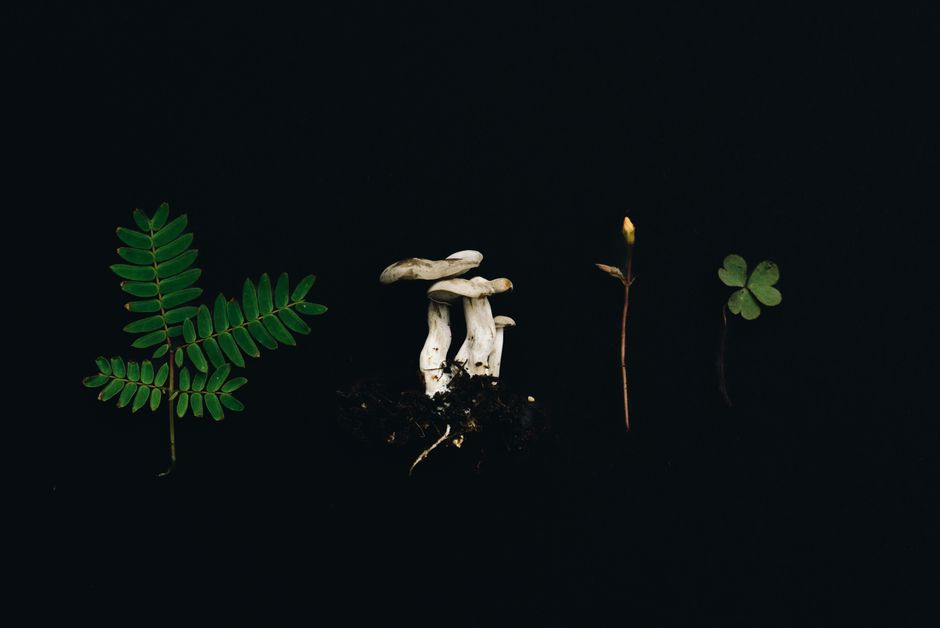
Photo by Evie Shaffer on Pexels
We can break down ecosystems into two main parts:
-
Biotic Components: These are all the living or once-living parts.
- Producers (Autotrophs): Organisms that make their own food, mostly through photosynthesis (e.g., plants, algae). They form the base of the food web.
- Consumers (Heterotrophs): Organisms that get energy by eating other organisms.
- Primary Consumers (Herbivores): Eat producers (e.g., deer eating grass).
- Secondary Consumers (Carnivores/Omnivores): Eat primary consumers (e.g., wolves eating deer, humans eating plants and animals).
- Tertiary Consumers: Eat secondary consumers (e.g., eagles eating snakes that ate mice).
- Decomposers: Organisms that break down dead organic matter and waste, returning nutrients to the soil (e.g., bacteria, fungi). They're super important for recycling!
-
Abiotic Components: These are all the non-living physical and chemical factors.
- Sunlight
- Water
- Temperature
- Soil
- Air (oxygen, carbon dioxide, nitrogen)
- Minerals and Nutrients
Energy Flow and Nutrient Cycling
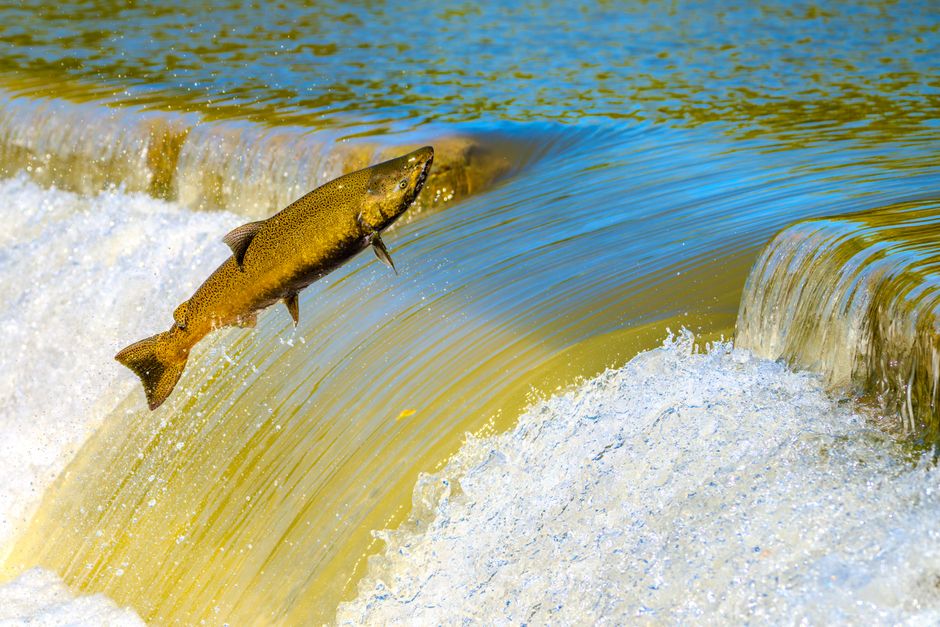
Photo by Héctor Berganza on Pexels
Energy in an ecosystem flows mostly in one direction, from the sun to producers, then to consumers, and finally to decomposers. Nutrients, however, are constantly recycled.
graph LR
    Sunlight --> Producers["Plants, Algae"];
    Producers --> PrimaryConsumers["Herbivores (e.g., Deer)"];
    PrimaryConsumers --> SecondaryConsumers["Carnivores (e.g., Wolf)"];
    SecondaryConsumers --> TertiaryConsumers["Top Carnivores (e.g., Bear)"];
    Producers --> Decomposers["Bacteria, Fungi (break down dead matter)"];
    PrimaryConsumers --> Decomposers;
    SecondaryConsumers --> Decomposers;
    TertiaryConsumers --> Decomposers;
    Decomposers --> Nutrients["Nutrients in Soil/Water"];
    Nutrients --> Producers;
Environmental Harmony

Photo by chandra diantara on Pexels
Environmental harmony means that all parts of an ecosystem are in balance, working together to sustain life and maintain natural processes. When this harmony is disrupted, it can lead to problems like species extinction, pollution, and climate change. Our goal should be to understand these systems well enough to minimize our negative impact and promote balance.
3. Worked Example
Let's look at a simple forest ecosystem.
- Sunlight provides energy for Oak Trees (producers).
- Deer (primary consumers) eat the leaves and acorns from the Oak Trees.
- Wolves (secondary consumers) hunt and eat the Deer.
- When Oak Trees, Deer, or Wolves die, Bacteria and Fungi (decomposers) break down their bodies.
- These decomposers release nutrients back into the soil, which the Oak Trees then absorb to grow.
- Rainfall (abiotic) provides water for all these organisms. Temperature (abiotic) influences when plants grow and animals are active.
If a new invasive species, like a particularly destructive beetle, is introduced and starts killing many Oak Trees, the whole system is affected:
1. Fewer Oak Trees mean less food for Deer.
2. Fewer Deer mean less food for Wolves.
3. The balance is broken, potentially leading to a decline in Deer and Wolf populations, and a complete change in the forest structure over time.
4. Key Takeaways
- An ecosystem includes all living things and their non-living environment interacting as a unit.
- Biotic components are living (producers, consumers, decomposers); abiotic components are non-living (sunlight, water, temperature).
- Energy flows in one direction, but nutrients are constantly recycled within an ecosystem.
- Every organism and abiotic factor plays a role in maintaining the ecosystem's balance.
- Environmental harmony means a stable and functional ecosystem, which human actions often disrupt.
- Understanding these connections helps us make better choices for the planet.
Common Mistakes to Avoid:
- Thinking that humans are separate from ecosystems; we are very much a part of them.
- Ignoring the role of decomposers; they are essential for nutrient recycling.
- Underestimating the impact of small changes; even minor disruptions can have big ripple effects.
- Believing that only large animals matter; tiny organisms like bacteria are crucial for ecosystem health.
5. Now Try It
Think about an ecosystem you are familiar with – maybe your backyard, a local park, or a forest you've visited.
- Identify three biotic components (e.g., specific plants, animals, or even fungi).
- Identify three abiotic components (e.g., types of soil, weather patterns, water sources).
- Describe one specific interaction between a biotic and an abiotic component, and one between two biotic components.
Success looks like you being able to clearly list these components and interactions, showing you understand how they connect in your chosen environment.
Frequently asked about Introduction to Ecosystems and Environmental Harmony
Study this next
Get the full sci curriculum
Clone the complete plan to your dashboard for unlimited AI-generated notes, practice quizzes, and a personalised revision schedule.
Save this course free