Wound Healing: General Principles
From the Sports Med Unit Two curriculum
TL;DR
Wound healing is a complex, ordered biological process involving four overlapping phases: hemostasis, inflammation, proliferation, and remodeling. Understanding these stages helps you recognize normal healing and identify issues that can delay recovery. Proper wound management aims to create an optimal environment for each phase to progress efficiently.
1. The Mental Model
Think of wound healing as your body's highly organized repair crew. First, they stop the bleeding. Then, they clean up the damage. Next, they lay down new material to fill the gap. Finally, they strengthen and refine the new tissue.
2. The Core Material
Wound healing isn't a single event but a dynamic process that progresses through four distinct yet overlapping phases:
Phase 1: Hemostasis (Stop the Bleeding)
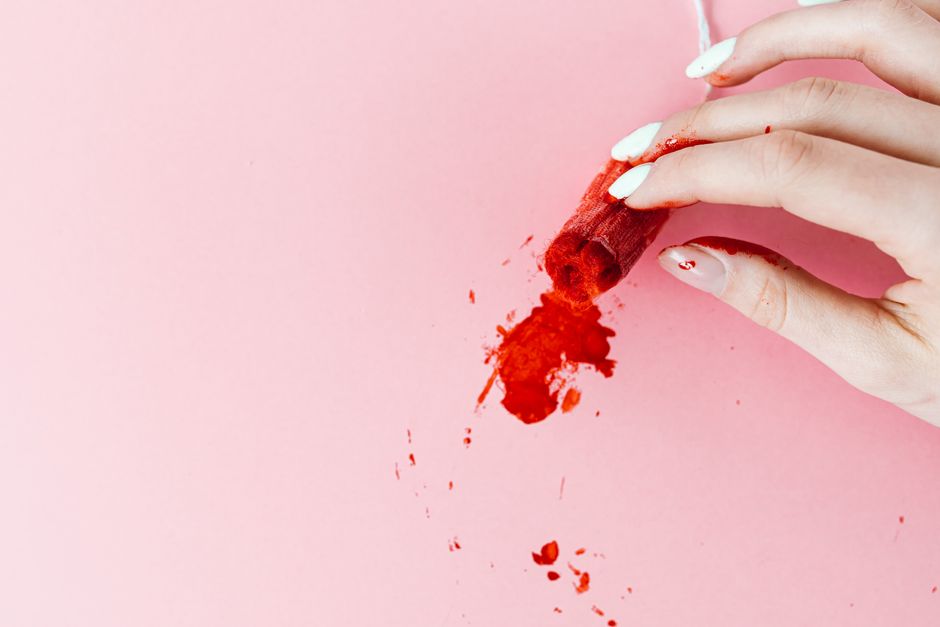
Photo by https://kaboompics.com/ on Pexels
This is the immediate response to injury.
* Vascular constriction: Blood vessels narrow to reduce blood flow.
* Platelet plug formation: Platelets stick together at the injury site to form a temporary seal.
* Coagulation: A fibrin mesh forms, strengthening the platelet plug into a stable clot, effectively stopping the bleeding and forming a scaffold for repair.
Phase 2: Inflammation (Clean Up)
Photo by Uday Veeru on Pexels
This phase starts almost immediately and can last several days. It's crucial for cleaning the wound.
* Vasodilation: Blood vessels expand, increasing blood flow to the area, leading to redness and warmth.
* Immune cell infiltration: Neutrophils arrive first to fight bacteria and clean debris. Macrophages follow, continuing the cleanup and releasing growth factors that signal the next phase.
* You'll typically see redness, swelling, heat, pain, and loss of function during this stage. These are normal signs of your body doing its job.
Phase 3: Proliferation (Rebuild)

Photo by Sehjad Khoja on Pexels
Beginning a few days after injury, this phase focuses on rebuilding new tissue.
* Angiogenesis: New blood vessels form to supply oxygen and nutrients.
* Granulation tissue formation: Fibroblasts migrate into the wound, producing collagen and other extracellular matrix components, forming a red, bumpy tissue known as granulation tissue. This fills the wound.
* Epithelialization: Skin cells (keratinocytes) migrate from the wound edges, covering the granulation tissue and closing the wound.
* Wound contraction: Myofibroblasts pull the wound edges together, reducing the size of the defect.
Phase 4: Remodeling (Strengthen and Refine)

Photo by Francesco Ungaro on Pexels
This is the longest phase, often lasting months to years.
* Collagen reorganization: The initial, disorganized collagen fibers are replaced by stronger, more organized collagen.
* Scar maturation: The scar tissue becomes stronger, flatter, and less red. It never achieves the full strength of uninjured skin (typically 70-80%).
* This phase involves a balance between collagen synthesis and degradation.
Here's a diagram illustrating the flow of these phases:
graph TD
    A["Injury Occurs"] --> B["Phase 1: Hemostasis (0-2 hrs)"]
    B --> C["Phase 2: Inflammation (2 hrs - 6 days)"]
    C --> D["Phase 3: Proliferation (4 days - 2 weeks)"]
    D --> E["Phase 4: Remodeling (2 weeks - 2 years+)"]
    E --> F["Healed Tissue"]
    C & D & E -.->|Overlap| A
3. Worked Example
Imagine a football player sustains a deep cut on their knee during a tackle.
- Immediately: Blood gushes out, but quickly, it slows down as platelets and clotting factors work to form a fibrin clot. This is Hemostasis.
- Next few hours to days: The area around the cut becomes red, swollen, warm, and painful. This is the Inflammation phase. White blood cells are actively clearing bacteria and debris.
- About a week later: If you were to look closely, you'd see little red bumps inside the wound bed – that's granulation tissue starting to fill the void. New skin cells are also creeping in from the edges to cover it. The wound visibly shrinks. This is the Proliferation phase.
- Weeks to months later: The new skin has covered the wound, and you see a pink, raised scar. Over time, it flattens and fades to a lighter color, becoming less noticeable. This scar is still gaining strength. This long-term process is Remodeling.
4. Key Takeaways
- Wound healing follows a predictable, four-phase sequence: hemostasis, inflammation, proliferation, and remodeling.
- Each phase has specific biological goals, from stopping bleeding to rebuilding and strengthening tissue.
- Inflammation is a necessary and normal part of the healing process, not always a sign of infection.
- Scar tissue is never as strong or elastic as the original uninjured tissue.
- Many factors (nutrition, age, infection, blood supply) can influence and delay one or more phases.
- Proper wound care supports the natural progression of these phases.
Common Mistakes to Avoid:
- Mistaking normal inflammation for infection: Redness, swelling, and warmth are normal early signs; look for pus, fever, or spreading redness for infection.
- Picking at scabs: This disrupts the proliferation phase and can lead to re-injury or infection.
- Ignoring systemic factors: Poor nutrition, diabetes, or certain medications can significantly impair healing.
- Not protecting new tissue: Newly formed skin is fragile and needs protection from trauma or excessive tension.
5. Now Try It
Think about a common wound you might encounter in sports, like an abrasion (turf burn). For each of the four phases of wound healing, describe one specific action or observation you'd expect to see related to that abrasion.
* Success looks like: Accurately identifying a characteristic sign or intervention for each phase (e.g., "Hemostasis: You'd see initial bleeding that stops," "Inflammation: The area around the burn is red and tender," "Proliferation: A thin layer of new pink skin starts to cover the raw area," "Remodeling: The area might be slightly discolored but flat over time.").
Frequently asked about Wound Healing: General Principles
More from Sports Med Unit Two
Get the full Sports Med Unit Two curriculum
Clone the complete plan to your dashboard for unlimited AI-generated notes, practice quizzes, and a personalised revision schedule.
Save this course free