Pain Theories and Perception
From the Sports Med Unit Two curriculum
TL;DR
Pain isn't just about tissue damage; it's a complex experience influenced by many factors, including your brain. Understanding different pain theories helps explain why people feel pain so differently. Your perception of pain can be changed and managed through various strategies.
1. The Mental Model
Think of pain as an alarm system, not just a damage sensor. Your brain processes lots of information – physical, emotional, and social – to decide if an alarm (pain) needs to be sounded. Sometimes the alarm is helpful, other times it's overactive.
2. The Core Material
Pain is a highly personal and subjective experience. It's not simply a direct measure of tissue damage. Your brain plays a huge role in interpreting signals from your body and deciding whether to produce the sensation of pain. This section explores different theories that try to explain how pain works.
Gate Control Theory

Photo by Jan van der Wolf on Pexels
This is one of the most important pain theories. It suggests there's a "gate" in your spinal cord that can open or close, allowing or blocking pain signals from reaching your brain.
- Small nerve fibers (C fibers, A-delta fibers) carry pain signals and tend to open the gate.
- Large nerve fibers (A-beta fibers) carry non-painful sensations (like touch or pressure) and tend to close the gate.
- Your brain also has a say in opening or closing the gate, influenced by emotions, attention, and past experiences. This explains why rubbing a bumped elbow (large fiber input) can reduce pain.
graph TD
    A["Nociceptive Input (Small Fibers)"] -->|Opens| C["Spinal Gate"]
    B["Non-Nociceptive Input (Large Fibers)"] -->|Closes| C
    D["Brain (Emotions, Attention, Experience)"] -->|Modulates| C
    C -->|If Open| E["Brain (Perceives Pain)"]
    C -->|If Closed| F["Brain (No Pain Perception)"]
Biopsychosocial Model of Pain

Photo by https://kaboompics.com/ on Pexels
This model recognizes that pain isn't just biological. It's an interplay of biological, psychological, and social factors.
- Biological: Tissue damage, inflammation, nerve signals.
- Psychological: Mood, stress, fear, coping strategies, beliefs about pain.
- Social: Family support, work environment, cultural influences, financial stress.
All these elements interact to shape your overall pain experience. For example, two people with the same injury might feel vastly different levels of pain due to their psychological state or social support.
Neuromatrix Theory
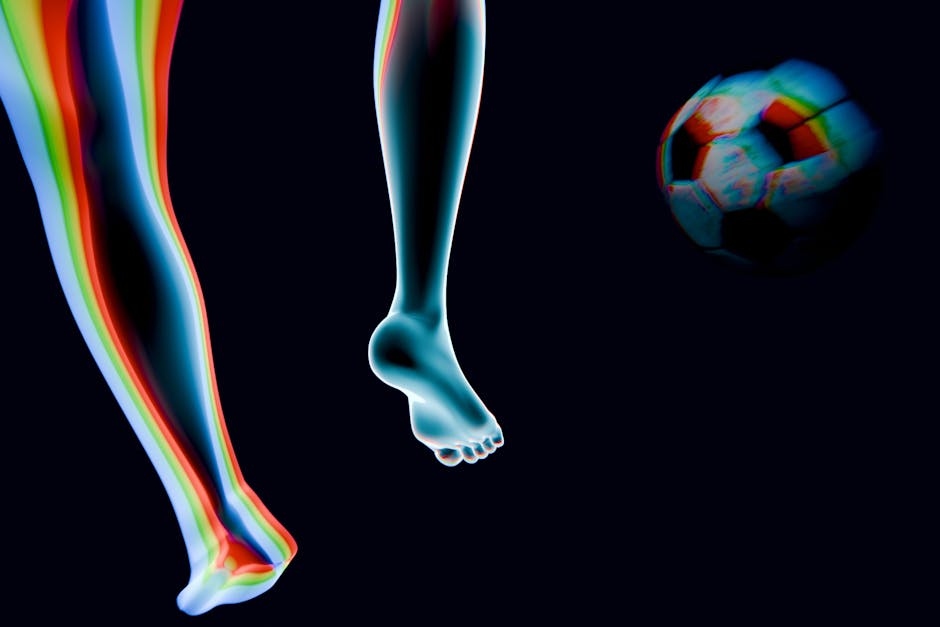
Photo by Steve A Johnson on Pexels
This theory takes the idea of the brain's role even further. It proposes that a widespread network of brain areas, called the "neuromatrix," is responsible for producing the experience of pain. This matrix integrates sensory input, emotional states, cognitive processes, and memories to create the unique "neurosignature" that is perceived as pain. This explains phantom limb pain, where pain is felt in a limb that's no longer there.
3. Worked Example
Imagine you're a runner who suddenly feels a sharp pain in your hamstring.
- Initial Nociception (Biological): Small nerve fibers in your hamstring send signals to your spinal cord, indicating potential tissue damage.
- Gate Control Theory in Action:
- If you immediately grab your hamstring and rub it (activating large touch fibers), you might temporarily close the gate, reducing the pain.
- If you're in the middle of a race and adrenaline is pumping (brain modulation), your brain might keep the gate closed, allowing you to push through the pain for a short time.
- Biopsychosocial Influences:
- Biological: The actual tear in the muscle.
- Psychological: If you're stressed about upcoming competitions, your fear of injury might amplify the pain experience. If you're generally optimistic and believe you'll recover quickly, your pain might feel less severe.
- Social: If your coach is supportive and gives clear recovery instructions, it can reduce anxiety and potentially pain. If you have a history of chronic pain and feel isolated, this new injury could feel much worse.
- Neuromatrix: Your brain's neuromatrix integrates all these signals – the hamstring input, your stress, your race goals, past injury memories – to produce the specific sensation of "hamstring pain" that you experience.
4. Key Takeaways
- Pain isn't just a simple signal of tissue damage; it's a complex output from your brain.
- The Gate Control Theory explains how both sensory input and brain activity can influence whether pain signals reach your consciousness.
- The Biopsychosocial Model highlights that biological, psychological, and social factors all contribute to your pain experience.
- The Neuromatrix Theory suggests a widespread brain network creates the unique sensation of pain, even in the absence of obvious injury.
- Your emotional state, attention, and past experiences significantly impact how you perceive pain.
- Pain can be influenced and managed by addressing more than just the physical injury.
Common mistakes you should avoid:
- Assuming two people with the same injury will feel the exact same level of pain.
- Believing pain always means ongoing tissue damage.
- Ignoring psychological or social factors when trying to understand or manage pain.
- Thinking pain is "all in your head" in a dismissive way, rather than acknowledging the brain's real role.
5. Now Try It
Think about a time you experienced pain. Write down three factors (one biological, one psychological, one social) that you think influenced how intense or bothersome that pain was for you. Then, consider how you might have tried to "close the gate" on that pain using non-painful input or distraction. What worked or didn't work?
Success looks like you identifying specific examples for each factor and relating it back to the pain theories discussed.
Frequently asked about Pain Theories and Perception
More from Sports Med Unit Two
Get the full Sports Med Unit Two curriculum
Clone the complete plan to your dashboard for unlimited AI-generated notes, practice quizzes, and a personalised revision schedule.
Save this course free