Foundational Contexts and Early Christian Beliefs
From the Rise of christian Theology curriculum
TL;DR
Early Christian beliefs emerged from a rich tapestry of Jewish traditions and the broader Greco-Roman world. Understanding this context helps explain the unique claims and challenges faced by early followers of Jesus. Key theological concepts developed as Christians interpreted Jesus' life and teachings through these diverse lenses.
1. The Mental Model
Think of early Christianity as a new plant trying to grow in an existing, well-tended garden. It drew nutrients from the soil (Judaism) and was influenced by the surrounding climate and other plants (Greco-Roman culture), leading to its unique shape and characteristics.
2. The Core Material
To grasp early Christian theology, you need to understand the two main "worlds" it grew out of: Judaism and the Greco-Roman context. Neither can be ignored, as they provided both the vocabulary and the challenges for early believers.
Jewish Heritage
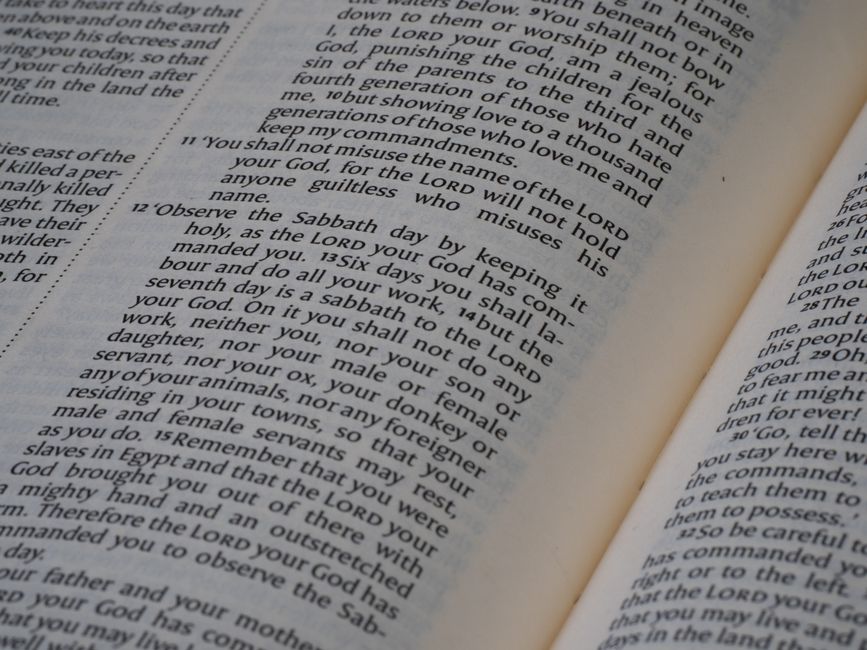
Photo by Brett Jordan on Pexels
Early Christians were primarily Jewish. They inherited a robust theological framework centered on:
- Monotheism: Belief in one God, Creator of all.
- Covenant: God's special relationship with Israel, often marked by promises and laws (e.g., Abrahamic, Mosaic).
- Scripture (Torah/Prophets/Writings): A sacred text providing divine revelation, history, and guidance.
- Messianic Expectation: The hope for a divinely appointed leader (Messiah) who would restore Israel and usher in God's kingdom. Many Jewish groups had different ideas about what this Messiah would be like (e.g., a warrior king, a priestly figure).
- Apocalypticism: A belief in a coming cosmic struggle between good and evil, leading to God's ultimate triumph and a new age. This often involved visions of a dramatic divine intervention in history.
These elements weren't just background; they were the starting point for understanding Jesus. Early Christians saw Jesus as the fulfillment of Jewish prophecies and the Messiah, but often in unexpected ways that challenged traditional interpretations.
Greco-Roman Context

Photo by Ayşegül Aytören on Pexels
The wider world of the Roman Empire also profoundly shaped early Christian thought and practice.
- Philosophy: Greek philosophy, particularly Platonism and Stoicism, influenced how Christians thought about God, the soul, ethics, and the nature of reality. Concepts like the Logos (divine reason or word) became crucial for early Christian theologians.
- Mystery Religions: These cults offered personal salvation, secret rituals, and often a divine savior figure who died and rose again. While distinct, they provided a cultural framework for understanding concepts like sacrifice, resurrection, and immortality.
- Imperial Cult: The worship of the Roman Emperor as divine was a major point of conflict. Christians' refusal to worship the Emperor led to persecution, as it was seen as disloyalty to the state.
- Syncretism: The blending of religious beliefs and practices was common. Early Christians had to navigate this carefully, affirming their unique identity while operating within a diverse religious landscape.
Key Early Christian Beliefs
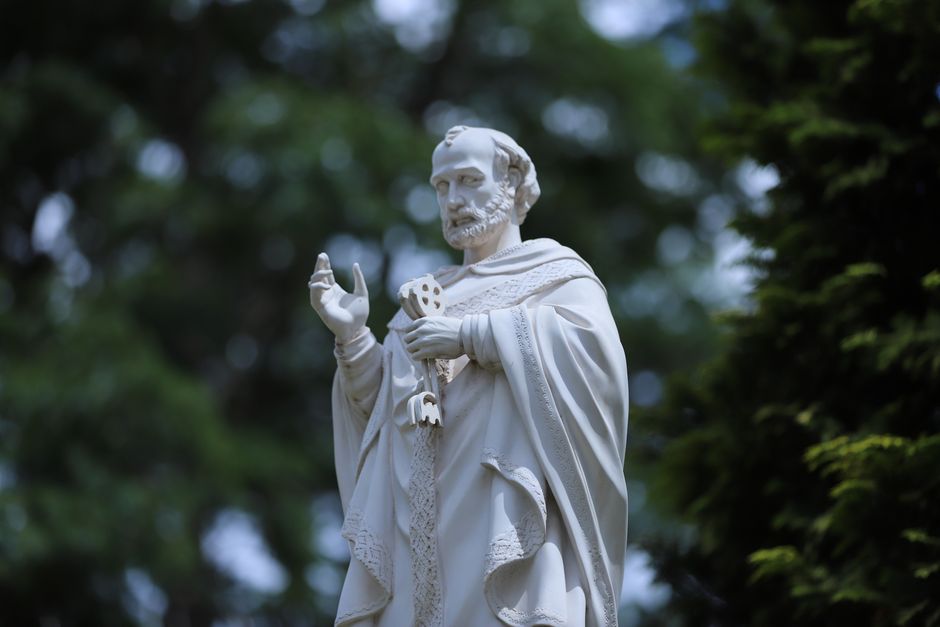
Photo by Diego Falcão on Pexels
From these contexts, certain core beliefs began to solidify:
- Jesus as Lord and Christ (Messiah): The central affirmation. He wasn't just a prophet or teacher, but God's chosen one, with divine authority.
- Resurrection: Jesus' physical rising from the dead was central to Christian hope and proof of his divinity.
- Salvation through Christ: Jesus' death and resurrection offered a way for humans to be reconciled with God, forgiving sins and offering eternal life.
- Community (Church): The belief that believers form a new community, united by faith in Christ, transcending ethnic and social boundaries.
- Scriptural Reinterpretation: Early Christians read the Jewish Scriptures (Old Testament) through the lens of Jesus, seeing him prefigured and prophesied throughout.
Here's a diagram illustrating the influences on early Christian thought:
graph TD
    A["Early Christian Beliefs"] --> B["Jewish Heritage"]
    A --> C["Greco-Roman Context"]

    B --> B1["Monotheism"]
    B --> B2["Covenant"]
    B --> B3["Messianic Expectation"]
    B --> B4["Scripture (OT)"]

    C --> C1["Greek Philosophy (Logos, Ethics)"]
    C --> C2["Mystery Religions (Salvation, Rituals)"]
    C --> C3["Imperial Cult (Persecution)"]
    C --> C4["Syncretism (Religious Pluralism)"]

    B1 --> D["One God, Creator"]
    B3 --> E["Jesus as Messiah/Christ"]
    C1 --> F["Understanding Christ's Divinity"]
    C2 --> G["Resurrection & Eternal Life"]
    A --> H["Salvation through Christ"]
    A --> I["New Community (Church)"]
    A --> J["Reinterpretation of Jewish Scripture"]
3. Worked Example
Consider the concept of the Logos in early Christian theology.
Greek philosophers, particularly the Stoics and Plato, used Logos to describe the divine reason or ordering principle of the universe. It was an abstract, impersonal concept.
When early Christians encountered this, especially through figures like the Apostle John, they didn't just adopt it directly. John’s Gospel begins: "In the beginning was the Logos, and the Logos was with God, and the Logos was God." Then, "The Logos became flesh and made his dwelling among us."
Here, you see the integration. The abstract philosophical concept of divine reason is personalized and incarnated in Jesus. Jesus isn't just a manifestation of the Logos; he is the Logos made flesh. This allowed early Christians to communicate Jesus' divine nature to a Greek-speaking world familiar with the term, while simultaneously asserting his unique, personal identity as God's Son and Messiah—a profoundly Jewish concept.
4. Key Takeaways
- Early Christian thought didn't appear in a vacuum; it was deeply rooted in its historical and cultural contexts.
- Jewish monotheism, covenant, and messianic expectations were foundational for understanding Jesus.
- Greco-Roman philosophy and religious practices provided both intellectual tools and significant challenges.
- The concept of Jesus as Messiah/Christ, Lord, and the resurrected Son of God formed the core of early beliefs.
- Early Christians had to carefully differentiate themselves from other religions while still engaging with their surrounding culture.
- Reinterpreting the Old Testament through the lens of Jesus was crucial for developing Christian theology.
Common Mistakes to Avoid:
- Don't assume early Christians simply invented new ideas without any prior foundation.
- Don't think of early Christianity as solely Jewish or solely Greco-Roman; it was a complex blend.
- Don't underestimate the role of persecution and imperial pressure in shaping Christian identity.
- Avoid anachronistically applying later theological developments (like the Nicene Creed) directly to the earliest period without context.
5. Now Try It
Take a passage from one of the earliest Christian writings (e.g., Romans 1:1-7 or 1 Corinthians 15:1-11). Read it carefully. Identify at least two references or allusions to its Jewish context (e.g., God of Israel, scripture, Messiah) and at least one potential point of connection or contrast with the Greco-Roman world (e.g., rhetoric, philosophical concepts, imperial authority).
What success looks like: You can pinpoint specific words or phrases and explain how they connect to either the Jewish or Greco-Roman background you've just learned about.
Frequently asked about Foundational Contexts and Early Christian Beliefs
Study this next
Get the full Rise of christian Theology curriculum
Clone the complete plan to your dashboard for unlimited AI-generated notes, practice quizzes, and a personalised revision schedule.
Save this course free